Butterfly Hadraw VK vs Butterfly Innerforce Layer ZLC: Which Should You Buy?
| Butterfly Hadraw VK | Butterfly Innerforce Layer ZLC | |
|---|---|---|
| Our rating | 8.6/10 | 8.7/10 |
| feel | flexible, high dwell, natural wood feedback | Soft ZLC feel, woody touch, excellent dwell time |
| handle | FL / ST / AN (Shakehand) | FL / ST / AN / CS |
| plies | 5-ply all wood (Koto outer, Hinoki, Kiri, Ayous core) | 7-ply, 5 wood + 2 ZL carbon (inner) |
| speed | OFF- | OFF+ |
| thickness_mm | 5.7 | 5.7 |
| weight_g | 84 | 85-94 |
We may earn a commission from links on this page. Learn more.
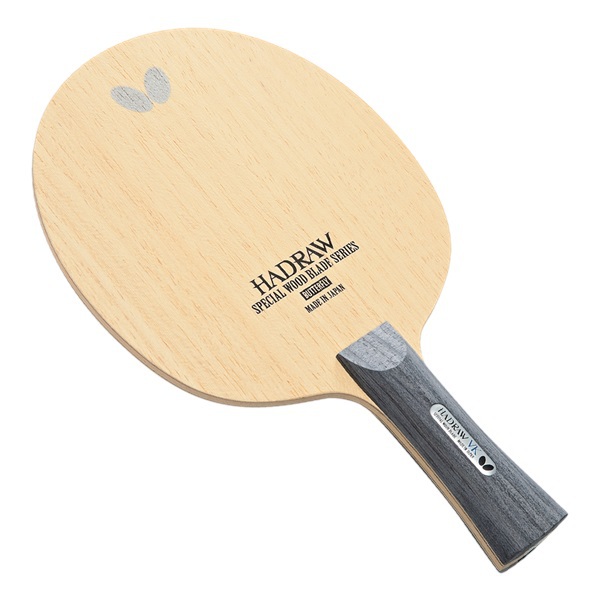
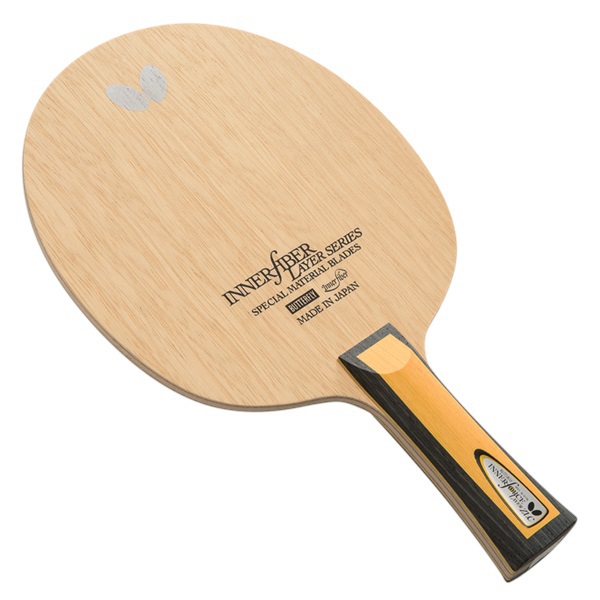
Hadraw VK delivers premium control and all-wood tactile feedback. Butterfly Innerforce Layer ZLC introduces inner ZLC carbon for higher speed (OFF+) and power while retaining enough dwell and feel for control. This pairing showcases the trade-off between pure wood and modern hybrids.
Layer ZLC is significantly faster and rewards aggressive play; Hadraw VK is slower but offers superior control and dwell for placement-first players. Layer ZLC’s low throw angle suits close-to-mid-distance aggressive play but clashes with Chinese tacky rubbers. Hadraw VK’s flexibility works across rubber types. Layer ZLC is premium-priced (200-220 USD range); Hadraw VK is more affordable. Choose Hadraw VK for control-first, spin-focused play; Layer ZLC for aggressive loopers who want ZLC power without sacrificing too much feel.
FAQ
What is the throw angle difference?
Hadraw VK has higher throw angle suitable for topspin loops. Layer ZLC has low throw angle for aggressive play.
Which suits tacky rubber?
Hadraw VK is more compatible. Layer ZLC’s low throw angle can work against heavy spin generation with Chinese rubber.
Is Layer ZLC too fast for intermediate players?
Likely. Hadraw VK is more accessible to developing intermediate players.
Which is better for high-spin loops?
Hadraw VK, with its higher throw angle and longer dwell time supporting heavy spin production.