Stiga Carbonado 290 vs Stiga Cybershape Carbon: Which Should You Buy?
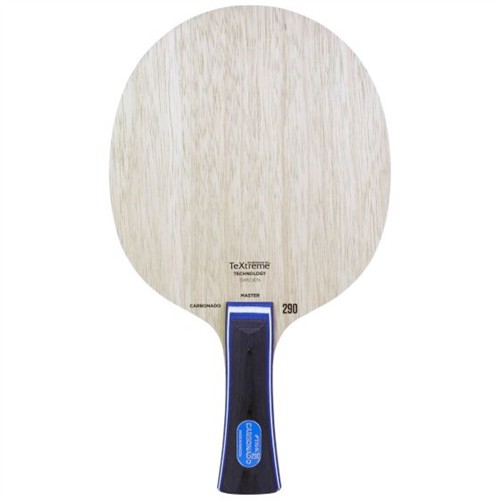
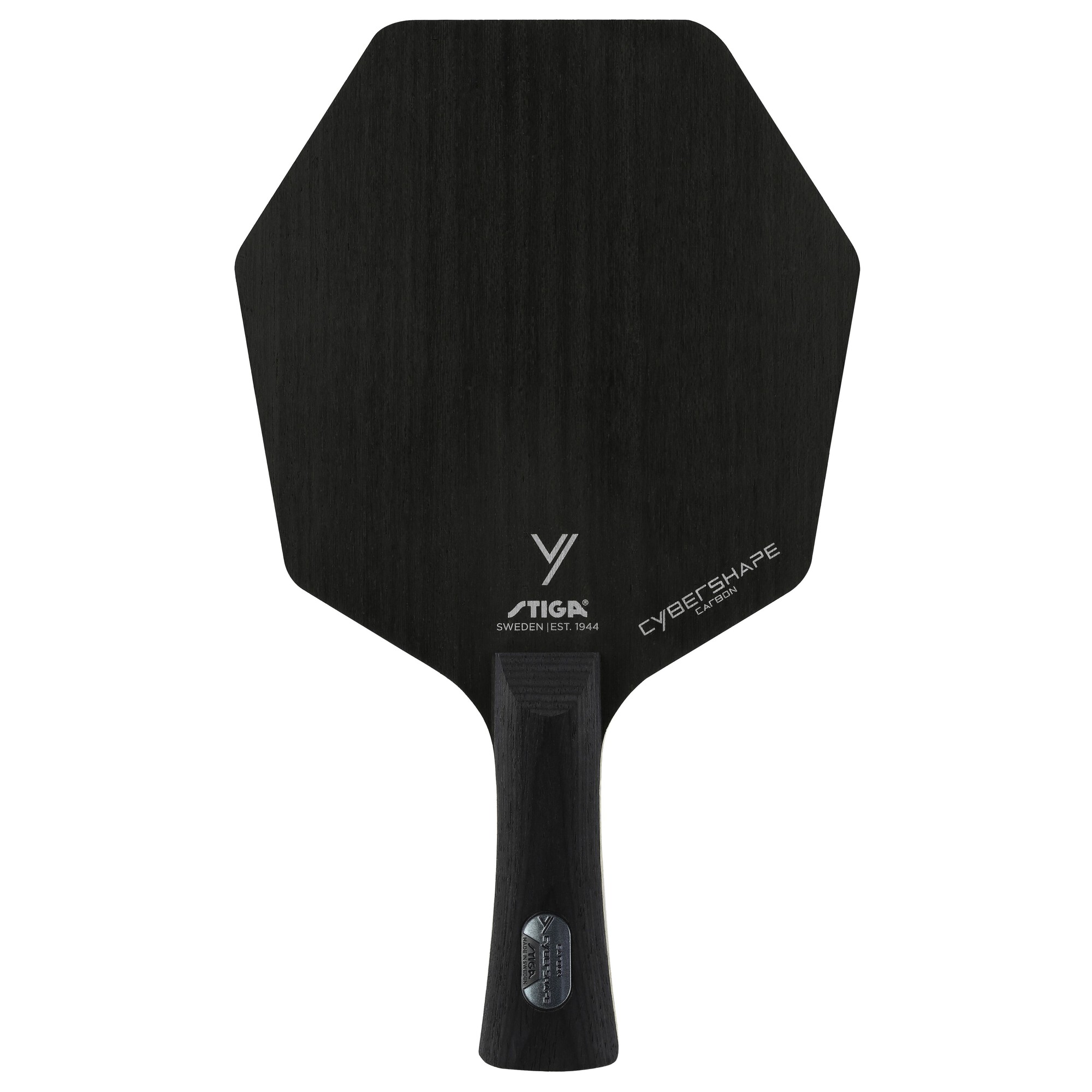
| Stiga Carbonado 290 | Stiga Cybershape Carbon | |
|---|---|---|
| Our rating | 8.3/10 | 8.4/10 |
| feel | very stiff, hard, crisp and direct carbon feel with a high-pitched sound; fast and linear with a low throw | Medium-stiff with woody feedback; head-heavy balance; larger sweet spot placed further up the blade |
| handle | FL | Flared (Classic) or Concave (Master) |
| plies | 5 wood + 2 carbon (7-ply), TeXtreme carbon | 5+2 carbon (CCF Close Core Fibre — carbon layer sits directly on wood core) |
| speed | OFF+ | OFF (Stiga speed rating 9.0 out of 10) |
| thickness_mm | 6.2 | approx 5 mm |
| type | OFF+ | — |
| weight_g | 95 | 85 plus or minus 5 g |
We may earn a commission from links on this page. Learn more.
The Carbonado 290 is a premium, extremely fast OFF+ carbon blade for aggressive finishers who want the fastest TeXtreme power and can handle its very low throw and demanding stiffness. The Cybershape Carbon is a newer, slightly slower OFF design that prioritizes a larger sweet spot, head-heavy swing weight, and superior blocking comfort for players who want speed without sacrifice of margin for error. Pick the Carbonado 290 if you’re an advanced attacker who finishes points fast with hard drives and smashes from close range; pick the Cybershape if you want an offensive blade with better all-round comfort, larger sweet spot, and slightly more forgiving power. The Carbonado is the outright speed leader and heavier; the Cybershape is more adaptable and more comfortable for longer rallies.
FAQ
Which blade is suitable for aggressive penhold attackers?
The Carbonado 290 is specifically mentioned for penholders who want to finish fast with hard drives and smashes. Its extreme speed and power suit that style perfectly.
Will the Carbonado 290’s low throw cause problems?
Yes, it has a very low throw that can cause netting until you adapt your bat angle. This is a known learning curve, especially on loop drives.
Which blade is easier for a developing offensive player?
The Cybershape Carbon. It has a larger sweet spot, more forgiving design, and doesn’t punish you as much for off-center contact.