Donic Waldner Allplay vs Xiom Stradivarius: Which Should You Buy?
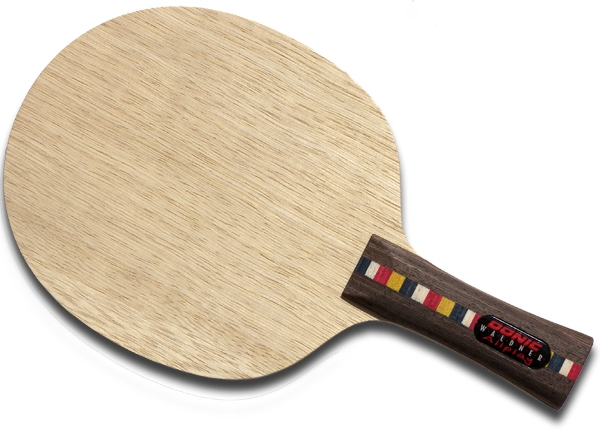
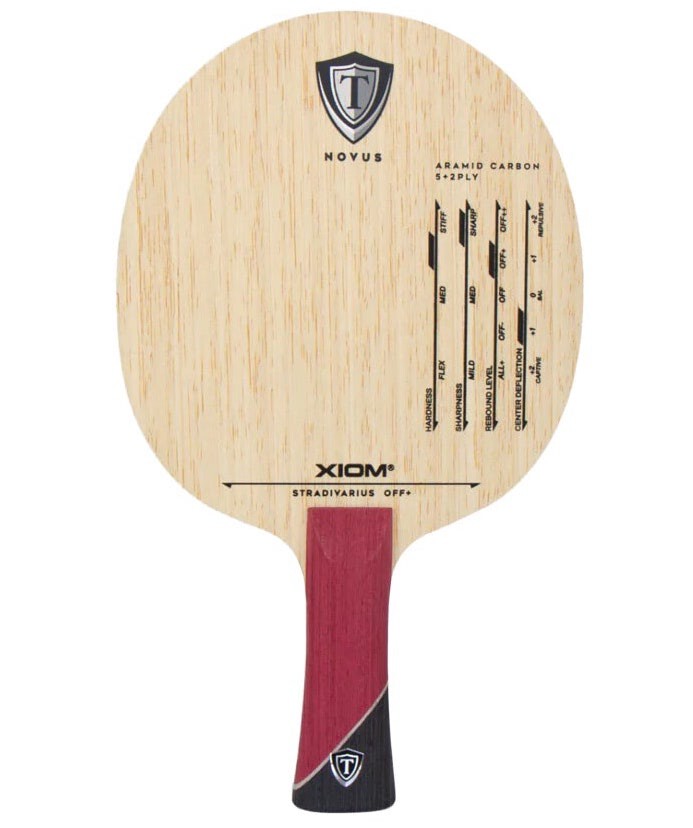
| Donic Waldner Allplay | Xiom Stradivarius | |
|---|---|---|
| Our rating | 8.2/10 | 8.4/10 |
| feel | Soft and forgiving with good dwell time, slight stiffness at sweet spot | Crisp and solid with low residual vibration; direct ball contact feel with a large sweet spot |
| handle | FL (flared), classic dark-brown wood | Flared (FL), Straight (ST) |
| plies | 5-ply all wood (Limba-Ayous-Ayous-Ayous-Limba) | 5 wood + 2 arylate carbon (Aramid Carbon) |
| speed | ALL | OFF |
| thickness_mm | 5.4-5.6 mm | 5.7 |
| weight_g | approx 85-87 g | ~85-87 |
We may earn a commission from links on this page. Learn more.
The Donic Waldner Allplay (8.2) is a soft all-wood control blade. The Xiom Stradivarius (8.4) is an Aramid Carbon blade that competes with Butterfly ALC blades at a much lower price. Stradivarius offers crisp, direct feel with low residual vibration, performs at OFF+ close to the table, and generates excellent topspin and looping.
The Donic is softer and more forgiving; the Xiom is stiffer and more responsive. The Xiom is faster, more expensive, and prefers solid technique. The Donic works across wider rubber ranges. Choose Donic for learning; choose Xiom if you’re intermediate and want carbon speed without Butterfly pricing.
FAQ
How much cheaper is Xiom than Butterfly ALC?
Significantly. Stradivarius competes with Butterfly ALC blades at a fraction of the price.
Is Stradivarius good for beginners?
Less so than the Donic. Stiff carbon feel may not suit players who prefer softer, more flexible feedback.
Which is better for topspin?
Xiom Stradivarius—Aramid Carbon construction is excellent for topspin and looping, especially close to the table.
Does Stradivarius work far from the table?
Speed drops off noticeably at longer distances, so it’s a near-to-mid-table blade.