Donic Persson Powerplay vs Stiga Allround Classic Carbon: Which Should You Buy?
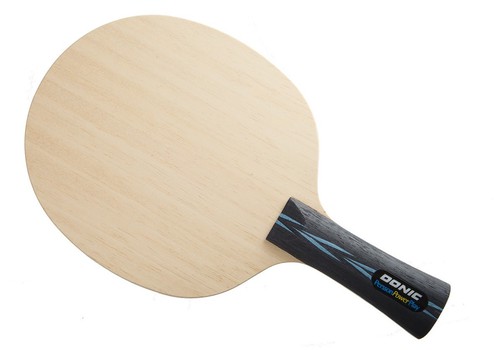
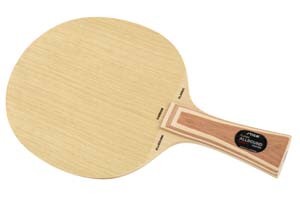
| Donic Persson Powerplay | Stiga Allround Classic Carbon | |
|---|---|---|
| Our rating | 8.2/10 | 7.8/10 |
| feel | Hard outer koto plies with internal foil damping layers; crisp feel with excellent feedback | Medium stiffness, wood-like touch with carbon crispness, small vibration, large sweet spot |
| handle | FL | FL, ST, WRB |
| plies | 7-ply all wood | 5 wood + 2 carbon |
| speed | OFF | ALL+ |
| thickness_mm | 5.9 | 5.6 |
| weight_g | 90 | 81 |
We may earn a commission from links on this page. Learn more.
Allround Classic Carbon and Persson Powerplay occupy adjacent niches in the intermediate curriculum. Allround Classic Carbon (7.8 rating) preserves the original’s soft touch and control while adding carbon for slightly higher speed and a larger sweet spot, making it ideal for players transitioning from pure all-wood to composite materials. Persson Powerplay (8.2 rating) offers pure all-wood OFF pace with harder feedback and better two-wing attacking potential.
For beginners and intermediate all-round players prioritizing touch, Allround Classic Carbon is lower risk. For developing attackers and penholders seeking faster pace without sacrificing feel, Persson Powerplay is the better choice.
FAQ
What makes Allround Classic Carbon different from the original?
Wider sweet spot and medium stiffness from the carbon layer reduce off-center penalty and add swing power without killing the woody control feel.
Why is the carbon version slower (7.8 vs 8.4)?
Ratings reflect realistic expectations. Carbon addition doesn’t deliver fast-blade pace; it primarily expands forgiveness and adds a crispness edge.
Is weight variance a real concern?
Yes—reported 73-91g range is significant. Test before purchase or ask the seller to weigh the specific unit.
Which suits coaching better?
Allround Classic Carbon. Teachers prefer its wider sweet spot, lower off-table demand, and lower frustration level for developing players.