DHS Hurricane 8 vs Tibhar Evolution FX-P: Which Should You Buy?
| DHS Hurricane 8 | Tibhar Evolution FX-P | |
|---|---|---|
| Our rating | 8.2/10 | 8.4/10 |
| best_side | forehand | Backhand or allround forehand |
| control | medium-high | 68 |
| speed | high | 94 |
| spin | extreme | 98 |
| sponge_hardness | 39-40 (DHS scale, medium-hard) | approx 40 degrees (softest in Evolution line) |
| type | hybrid tacky tensor | Inverted / tensor |
| weight_uncut_g | 70 | 68 |
We may earn a commission from links on this page. Learn more.
Tackiness, Again, Is the Headline Number
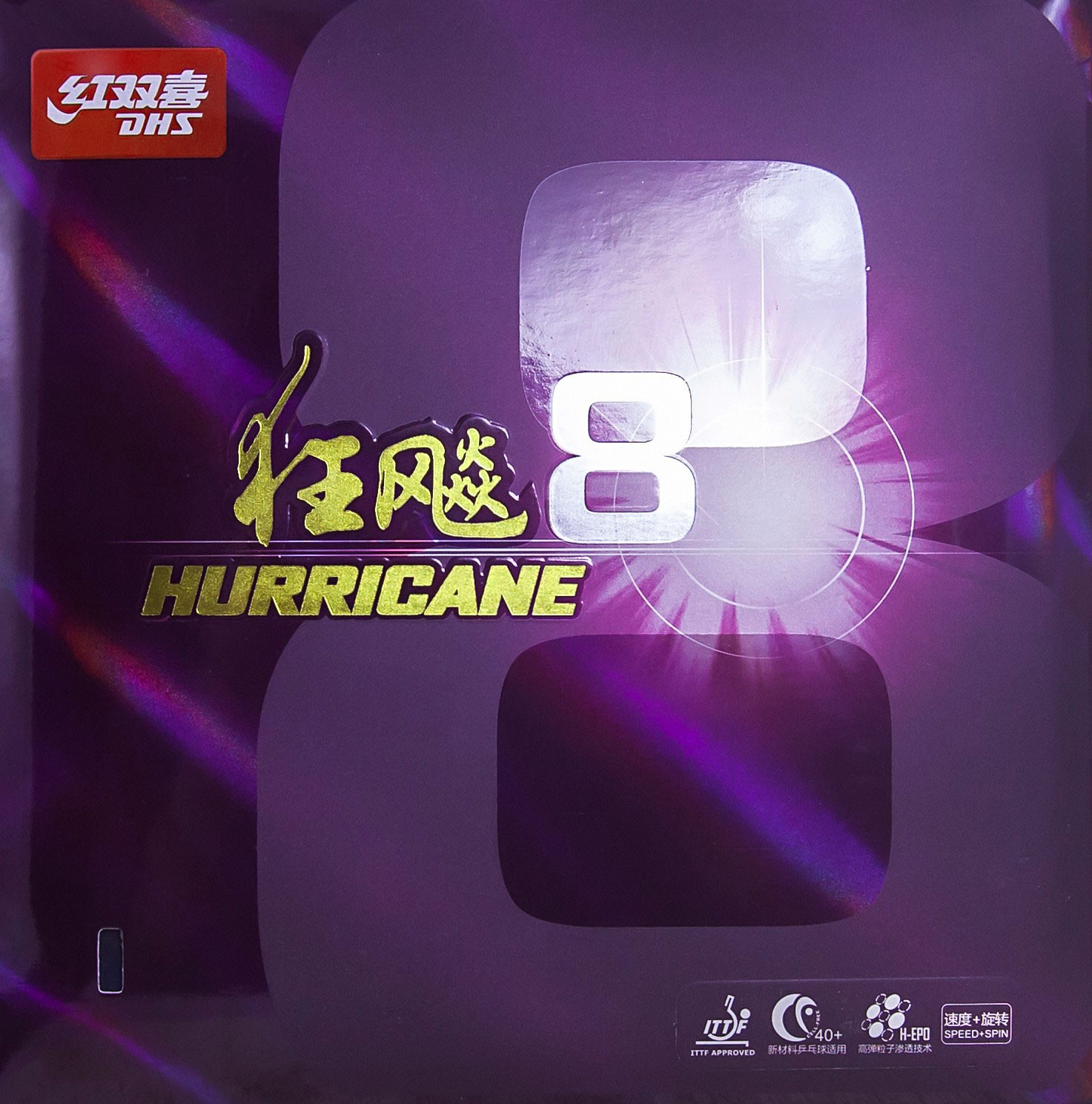
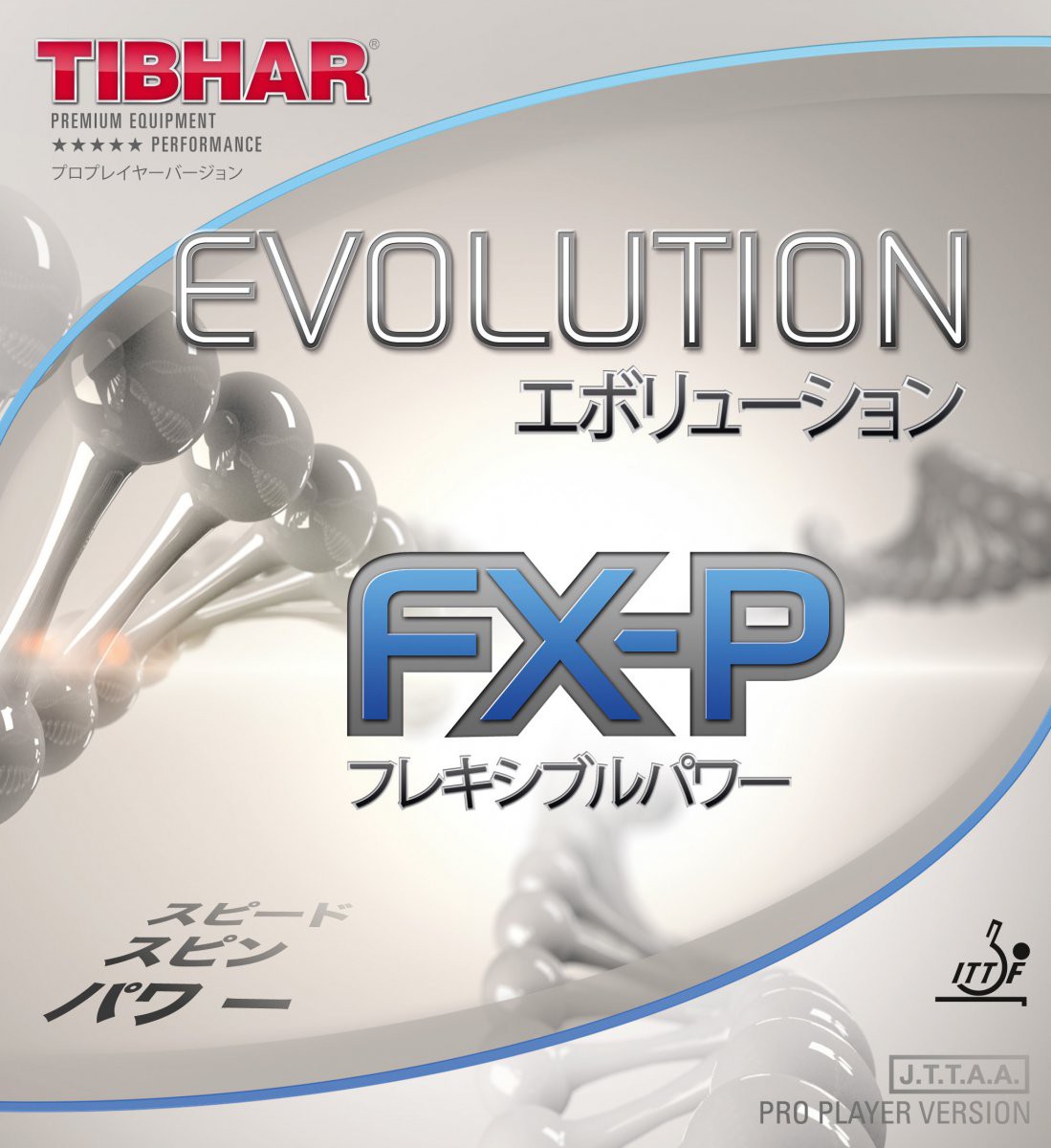
Just like the Hurricane 3 versus Mark V comparison, tackiness is the dominant axis here: DHS Hurricane 8 scores 8.1, Tibhar Evolution FX-P scores 2.0, a 6.1-point gap, even larger than the Hurricane 3 and Mark V split. Hurricane 8 is a genuinely tacky Chinese topsheet built for grabbing and holding the ball on serves, receives and short pushes; reviewers across Revspin and TableTennisDaily forums single out its serve and push game as a stated strength. FX-P is a smooth, non-tacky European tensor. If you already know you want, or don’t want, a tacky topsheet to maintain, this single number should carry most of the decision weight.
The Axis That Actually Separates These Two: Where You Should Stand
Forget speed (8.5 versus 8.6, a 0.1 gap you will never feel) and forget spin (9.3 versus 9.1, a 0.2 gap that’s within noise). The real functional difference is throw: 4.7 for Hurricane 8 versus 5.5 for FX-P, a 0.8-point gap. Low throw means the ball comes off the sheet flatter and faster, which is exactly why Hurricane 8’s own pros list calls out “fast, low-arc loopdrives, loopkills and counterloops” — this is a rubber built for standing close to the table and hitting through the ball. FX-P’s higher throw produces a more generous, higher arc that gives you a larger margin for full loops from mid-distance, which lines up with reviewers praising its forgiveness on mishits and its high return rate.
Translated to court sense: if your game is short-to-medium distance counter-looping and quick redirection, Hurricane 8’s flatter trajectory rewards you. If you regularly loop from further back and want a bigger safety margin over the net, FX-P’s higher throw is doing real work for you.
Where Hurricane 8 Should Not Go: The Backhand
This is not visible in the axis numbers because throw and control barely differ, but it is explicit in both products’ own strength profiles: Hurricane 8’s listed cons flatly state it is “not recommended as a backhand rubber for most players,” while FX-P’s pros highlight that it “works brilliantly on both forehand and backhand.” If you are building or already running a two-winged loop game, this is arguably a bigger practical decision driver than any axis delta in this comparison. A very plausible real setup is Hurricane 8 forehand paired with something else backhand — pairing it with FX-P on the backhand is a documented, sensible combination rather than an either-or choice.
Durability and Weight: The Physical Cost of Tack
Durability tilts slightly to Hurricane 8 (7.8 versus 7.1), but the more consequential physical fact is weight and demand on your stroke. Hurricane 8 often ships at 50 grams or more once cut, and its own cons explicitly call out that it is “heavy… demanding stronger technique” and “requires proper footwork and a committed swing to play well.” FX-P’s own weaknesses run in a different direction: durability “varies,” with users reporting speed loss after around six months of regular play, and it caps out on top-end speed for players who swing hardest. Neither rubber is more worn out than the other in absolute terms — they degrade differently, one physically, with Hurricane 8’s tack fading within roughly two weeks per some reports, and one in raw pace, with FX-P’s speed drop over months.
Should You Switch?
If you are running FX-P and considering Hurricane 8: expect to add real physical demand to your swing. This is a heavier, tackier rubber that punishes a passive or flat game — do not make this switch unless you already have committed forehand technique and don’t need backhand versatility from the same sheet.
If you are running Hurricane 8 and considering FX-P: you trade away some tackiness-driven serve and push advantage and roughly 0.2 points of raw spin, but you gain backhand usability, better value versus premium Japanese tensors like Tenergy, and a lighter, less physically demanding rubber overall.
Bottom Line
Both rubbers rate close on paper (8.2 versus 8.4) but serve different roles. Hurricane 8 is a forehand-only, tacky, low-throw weapon for committed attackers with strong footwork. FX-P is a two-wing, non-tacky, higher-throw all-rounder with a real value case against premium Japanese tensors. The tackiness gap (6.1) and the backhand-suitability split matter more here than the modest spin and speed differences.
Frequently asked questions
Can I use Hurricane 8 on my backhand?
Not recommended per the product's own listed weaknesses. Hurricane 8 is explicitly called out as unsuited for backhand use by most players, while Tibhar Evolution FX-P is described as working well on both wings.
How much heavier is Hurricane 8 than Evolution FX-P?
Both list around 68 to 70 grams uncut on the base sheet, but Hurricane 8 commonly reaches 50 grams or more once cut for play, and its own cons explicitly flag the extra weight as demanding stronger technique and footwork.
Which rubber has a lower, flatter trajectory for counter-looping close to the table?
Hurricane 8, with a throw rating of 4.7 versus FX-P's 5.5. The 0.8-point gap matches Hurricane 8's stated strength in fast, low-arc loopdrives and counterloops.
Is Evolution FX-P really that much less tacky?
Yes, dramatically: 2.0 versus Hurricane 8's 8.1, a 6.1-point gap, meaning FX-P needs essentially no tack maintenance while Hurricane 8 requires regular cleaning and periodic reboosting to stay effective.
Is one rubber clearly better rated than the other?
Barely. FX-P edges out Hurricane 8 by 0.2 overall (8.4 versus 8.2), which is not meaningful; pick based on tackiness preference, backhand needs, and swing weight, not the headline rating.