Butterfly Tenergy 05 vs Nittaku Hammond Z2: Which Should You Buy?
| Butterfly Tenergy 05 | Nittaku Hammond Z2 | |
|---|---|---|
| Our rating | 9.0/10 | 8.8/10 |
| best_side | both | forehand |
| control | medium-high | 7.5 |
| speed | 13.0/14 | 9.0 |
| spin | 11.5/12 | 9.5 |
| sponge_hardness | 36° (Butterfly scale) | 52 |
| type | tensor inverted | inverted |
| weight_uncut_g | 68 | 70 |

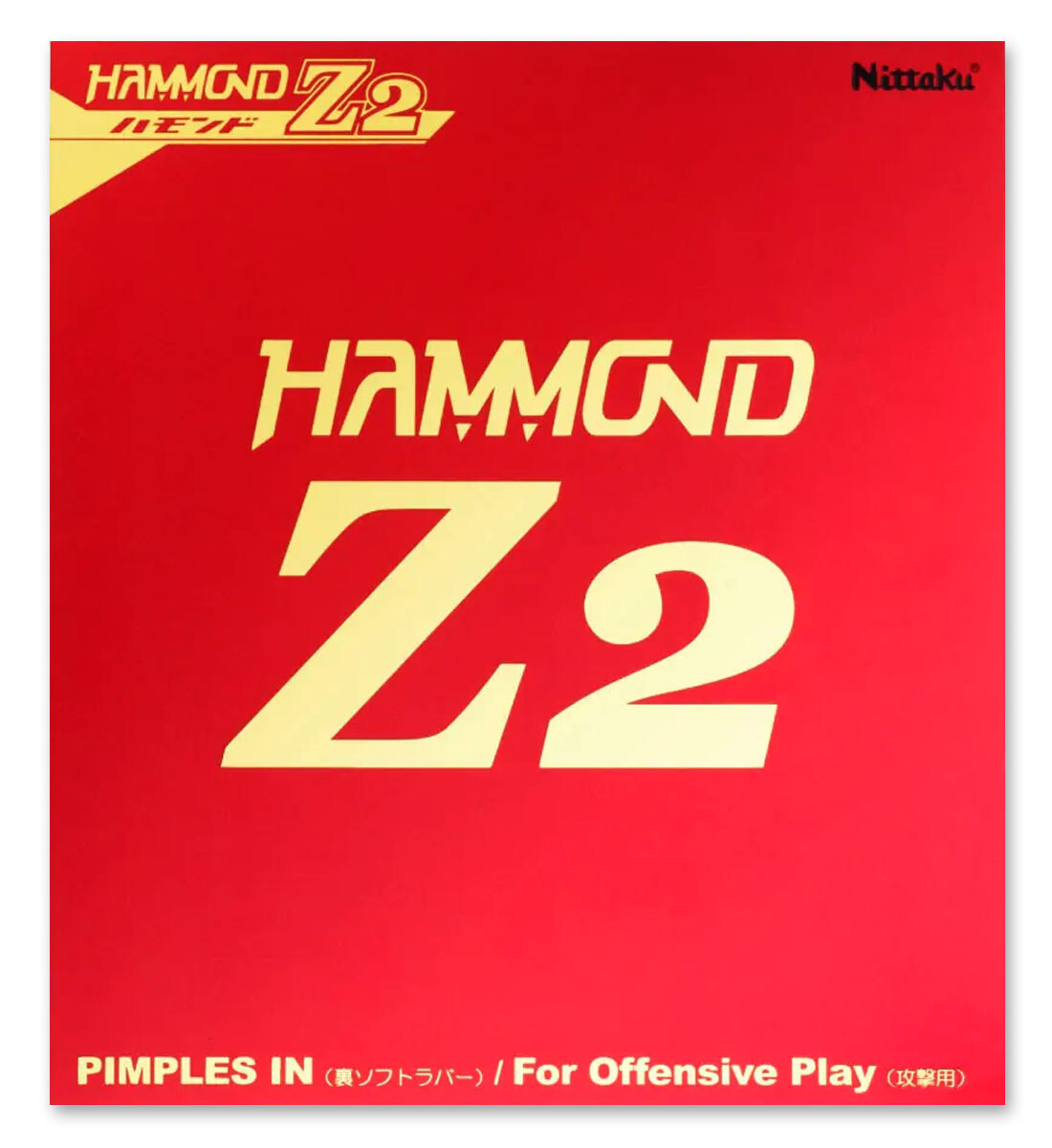
We may earn a commission from links on this page. Learn more.
Two very different routes to a similar rating
Butterfly Tenergy 05 (rated 9.0) and Nittaku Hammond Z2 (rated 8.8) land close on overall score but get there through noticeably different sponge philosophies — Tenergy 05’s 36-degree Spring Sponge against Z2’s much firmer 52-degree, made-in-Japan build. That hardness gap explains almost everything else in the data.
Speed is a dead heat
Start with the number that should end any “which is faster” debate: both rubbers score 9.3 on speed. There is no speed advantage either way, full stop. If speed is your deciding factor between these two, the data says to look elsewhere, because on this axis they are identical.
Control favors Z2, and the reason is unusual
Control shows the largest gap on the sheet: Nittaku Hammond Z2 scores 9.1 against Tenergy 05’s 8.3, a 0.8-point edge for the harder rubber. That is counterintuitive on its face — harder sponges are usually associated with less forgiveness, not more control. The explanation sits in Z2’s own cons: it “demands active, well-timed strokes” and is “very unforgiving of passive contact.” Z2’s control score describes a rubber that produces highly consistent, predictable results once you commit fully to the stroke — spin sensitivity and directional consistency for a player who supplies real technique — rather than a rubber that bails out a hesitant or half-committed shot. Tenergy 05’s lower control number reflects its greater spin sensitivity on the receiving end and its bouncier catapult, which can feel less predictable in exchange for being more forgiving of imperfect contact.
Throw goes the other way, clearly
Tenergy 05 reclaims the advantage on throw: 7.6 versus 6.5, a 1.1-point gap. This is a meaningful difference in arc height, and it is somewhat surprising given how hard Z2’s sponge is — Z2’s own pros describe “medium arc and manageable throw angle relative to rubber hardness,” which is an honest way of saying Z2 throws well for a 52-degree sponge, but it still throws lower in absolute terms than Tenergy 05’s benchmark arc. If you rely on a high, safe trajectory to clear the net comfortably on topspin, Tenergy 05 still has the edge here.
Spin, tackiness, and durability barely separate them
Spin is nearly tied, 9.4 versus 9.3 (0.1 gap). Tackiness is nearly tied, 2.3 versus 2.1 (0.2 gap). Durability slightly favors Z2, 8.1 versus 7.7 (0.4 gap), consistent with Z2’s pros noting “above-average durability compared to typical ESN tensors” — a real but modest edge, not the standout advantage its marketing might imply.
Mounting and blade pairing matter here
The spec rows flag a real practical difference: Tenergy 05 is recommended for both wings, while Hammond Z2’s own data points to forehand as the better side. Z2’s pros also note it works best on “OFF-minus or flexible blades” rather than stiff carbon setups, which is a pairing consideration that does not show up in the axis numbers at all but should factor into a purchase decision, especially if you are already committed to a stiff carbon blade built around Tenergy 05’s throw and catapult profile.
Should you switch?
If your game is built around active, committed forehand strokes and you want more raw control without giving up speed, Z2’s 0.8-point control edge at identical speed is a genuine reason to try it, provided your blade is not an ultra-stiff carbon setup mismatched to Z2’s hardness. If you need Tenergy 05’s higher throw for safety margin on backhand or all-around play, or you play a more passive, blocking-heavy game, the 1.1-point throw gap and Z2’s own warning about punishing passive contact both point toward staying with Tenergy 05. Per Revspin and Racket Insight data on both sheets, this is a genuine style fork rather than a strict upgrade in either direction.
Frequently asked questions
Is Hammond Z2 faster than Tenergy 05?
No, both score exactly 9.3 on speed. There is no speed advantage either way.
Why does the harder Hammond Z2 score higher on control?
Its control number reflects consistency under committed, active strokes rather than forgiveness. Z2's own cons warn it is very unforgiving of passive contact, so the higher score rewards clean technique, not passive play.
Which rubber has the safer, higher throw?
Tenergy 05, by 1.1 points (7.6 versus 6.5). Z2 throws well for its hardness class but still sits lower than Tenergy 05 in absolute terms.
Does blade choice matter for Hammond Z2?
Yes, its own review data recommends OFF-minus or flexible blades over stiff carbon setups, a pairing consideration that will not show up in axis scores alone.