Butterfly Primorac vs Stiga Cybershape Wood: Which Should You Buy?
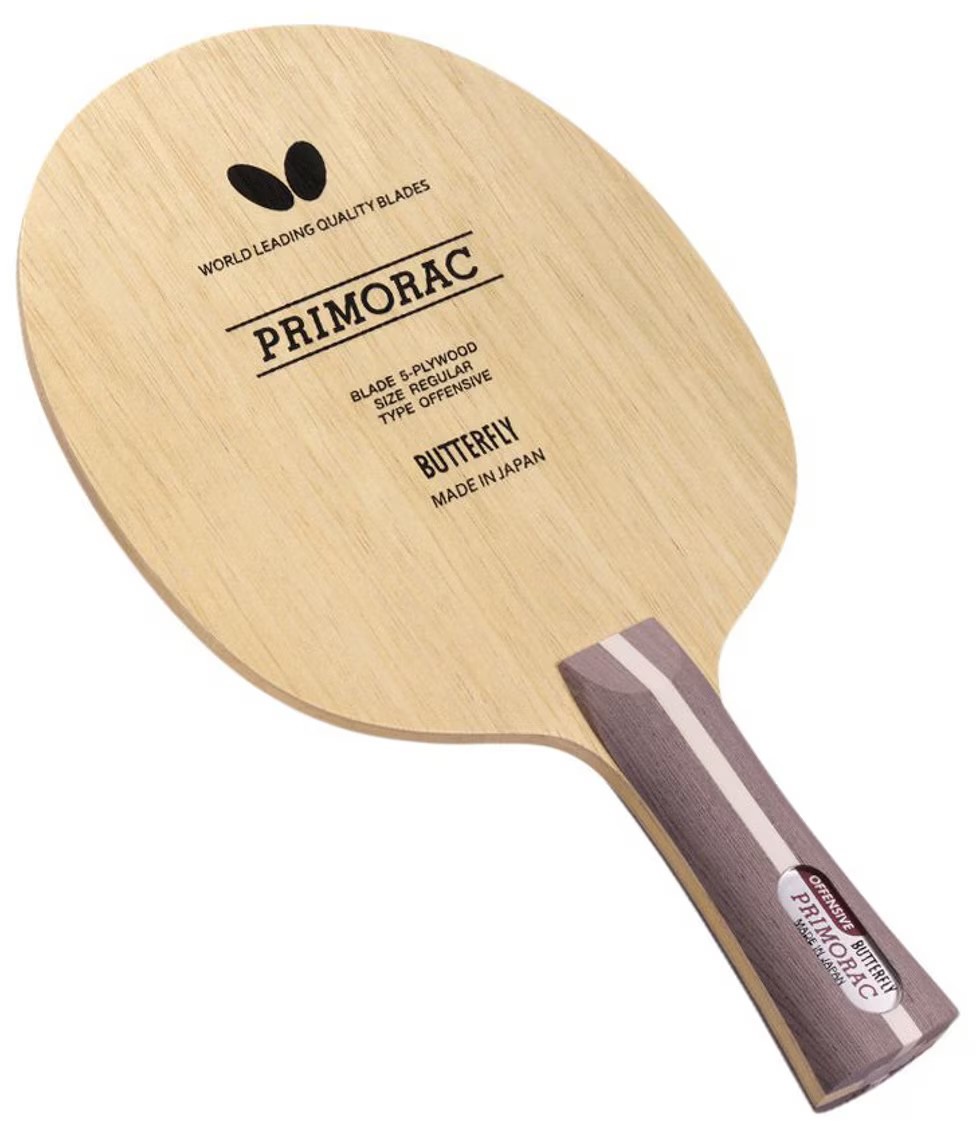
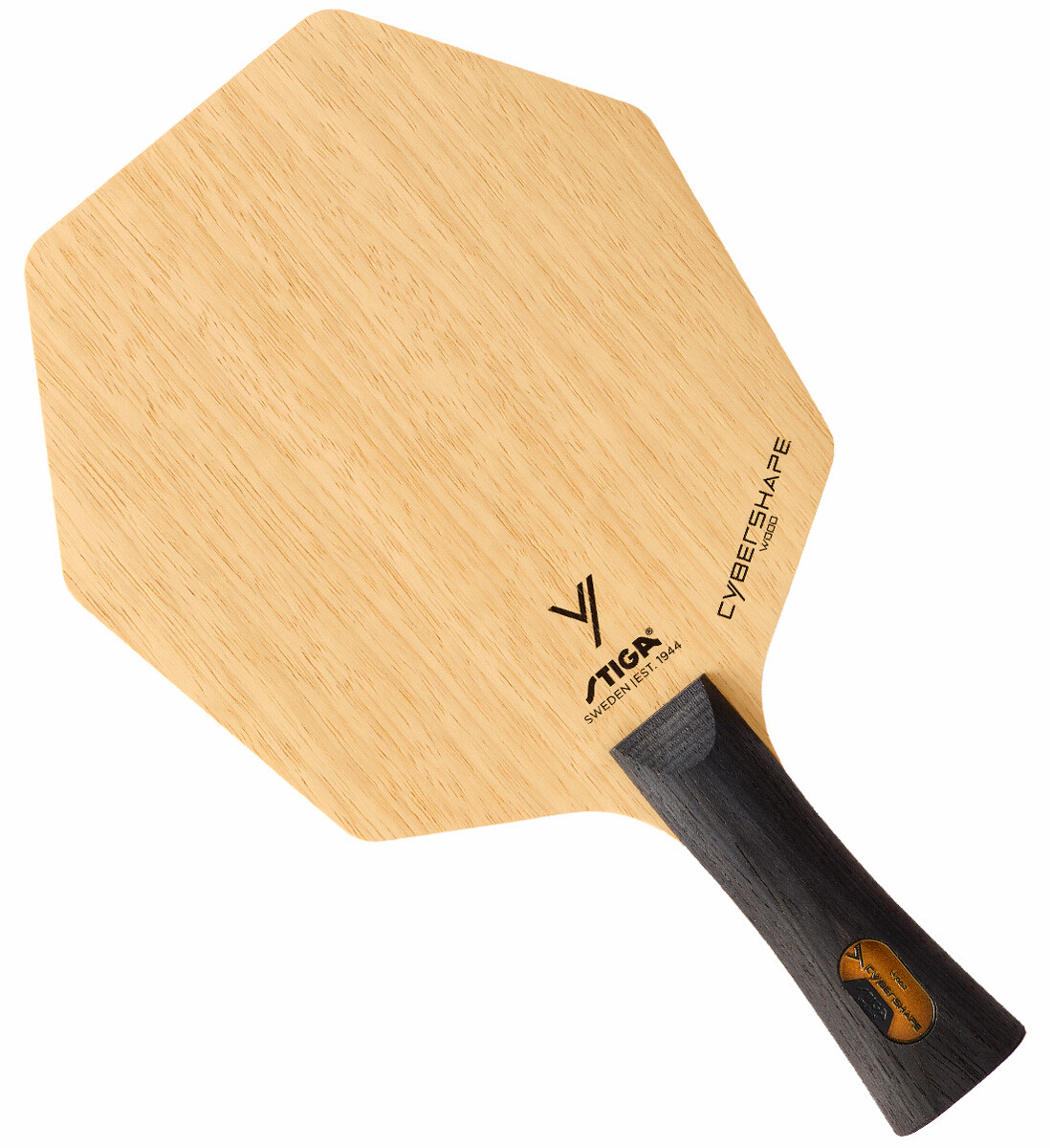
| Butterfly Primorac | Stiga Cybershape Wood | |
|---|---|---|
| Our rating | 8.3/10 | 8.4/10 |
| feel | medium, classic all-wood, long dwell and high control | Medium-soft, dwell-heavy, linear feedback |
| handle | FL/ST | Flare / Straight / Anatomic (Italian wood) |
| plies | 5W (all wood) — Limba/Limba/Ayous/Limba/Limba | 7-ply all wood |
| speed | OFF- | OFF- |
| thickness_mm | 6 | 5.8-5.9 mm |
| weight_g | 85 | 80-85 g (base); up to 94 g with CWT weights |
We may earn a commission from links on this page. Learn more.
Both excel at dwell and spin production but target different profiles. Primorac is the classic all-wood workhorse: clean, durably-built, and extremely versatile across rubber types. Its main limit is modest top-end speed, which newer attackers outgrow. Cybershape addresses this with a slightly faster build and mechanical refinements (enlarged sweet spot, optional weight tuning), making it a premium option for intermediate-advanced players who want linear feedback and spin consistency.
Choice hinges on budget and play style: pick Primorac for value and forgiveness, Cybershape for precision and modern engineering.
FAQ
Which is faster?
Roughly equal (both OFF-). Cybershape pairs slightly better with fast rubbers due to its optimized plies, but neither blade suits aggressive speed-first attackers.
Is Primorac really a keeper?
Yes. Butterfly’s durability is exceptional, and Primorac’s solid feel means it performs reliably for years. Its simplicity is a strength.
Does CWT weighting matter?
Only if you’re precise about racket balance. Most players adjust by rubber choice instead. Cybershape’s magnetic system is flexible but adds cost.
Can beginners use both?
Primorac, easily. Cybershape’s premium price and thinner grip suit intermediate players. Beginners benefit from Primorac’s forgiveness.
Best rubber pairing for each?
Primorac: any tensor or European rubber. Cybershape: slightly tacky or grippy rubbers to harness its linear feedback.