Butterfly Korbel vs Donic Waldner Allplay: Which Should You Buy?
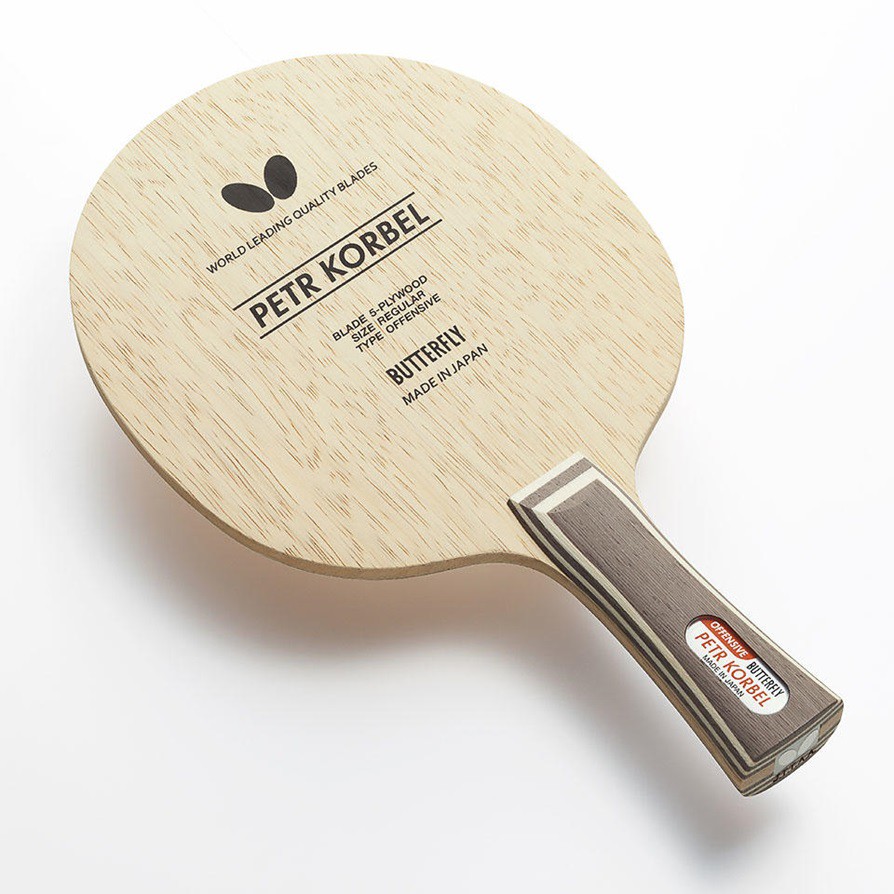
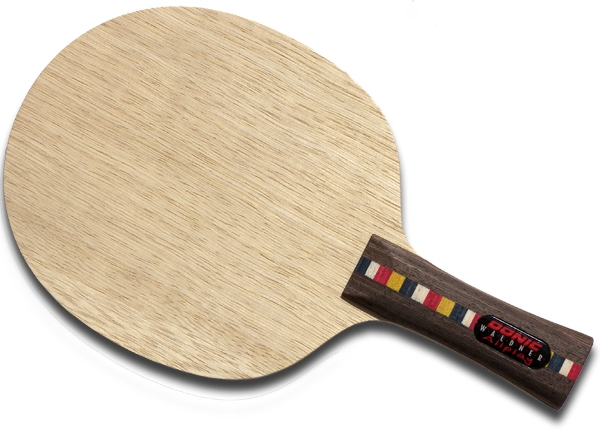
| Butterfly Korbel | Donic Waldner Allplay | |
|---|---|---|
| Our rating | 8.6/10 | 8.2/10 |
| feel | medium, soft and flexible all-wood with long dwell | Soft and forgiving with good dwell time, slight stiffness at sweet spot |
| handle | FL/ST | FL (flared), classic dark-brown wood |
| plies | 5W (all wood) — limba-limba-ayous-limba-limba | 5-ply all wood (Limba-Ayous-Ayous-Ayous-Limba) |
| speed | OFF- | ALL |
| thickness_mm | 6 | 5.4-5.6 mm |
| weight_g | 88 | approx 85-87 g |
We may earn a commission from links on this page. Learn more.
The Korbel and Waldner Allplay are both all-wood blades suited to control-first players, but with different strengths. The Korbel emphasizes feel and high dwell, making it excellent for learning looping and developing spin. The Waldner Allplay prioritizes consistency and control especially close to the table, with exceptional blocking feel.
Choose the Korbel if spin generation and flexible feel are your priorities and if you plan to loop regularly. Pick the Waldner Allplay if you value close-table consistency, blocking precision, and the ability to pair with an even wider range of rubbers (including pips). Both are great value, but the Korbel offers slightly more versatile performance across distances.
FAQ
Which blade is easier to block with?
The Waldner Allplay has rock-solid blocking feel with direct feedback; the Korbel is good but slightly less specialized for passive defense.
Which generates more spin?
The Korbel’s longer dwell and high throw make heavy spin easier to produce; the Waldner works well for spin but doesn’t emphasize it as strongly.
Can either blade handle modern plastic balls well?
Both are adequate, but the Korbel’s slightly greater speed helps drive the modern ball; both may feel a bit underpowered compared to faster blades.