Butterfly Innerforce Layer ZLC vs Nittaku Septear: Which Should You Buy?
| Butterfly Innerforce Layer ZLC | Nittaku Septear | |
|---|---|---|
| Our rating | 8.7/10 | 8.2/10 |
| feel | Soft ZLC feel, woody touch, excellent dwell time | Soft with high dwell time |
| handle | FL / ST / AN / CS | Straight or Concave (flared) |
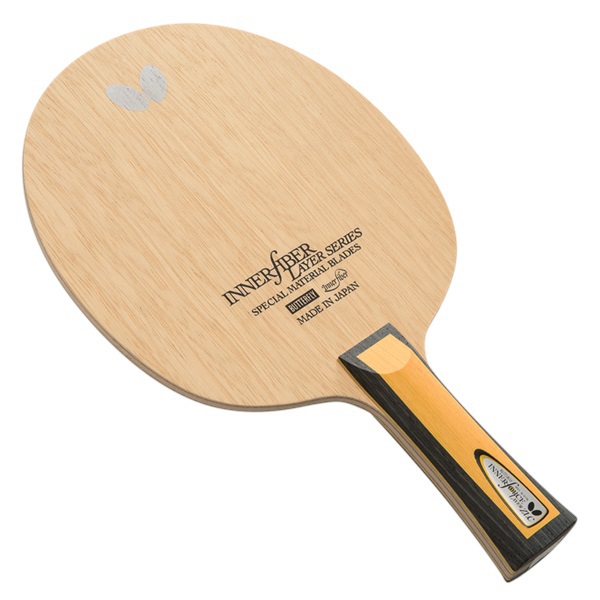
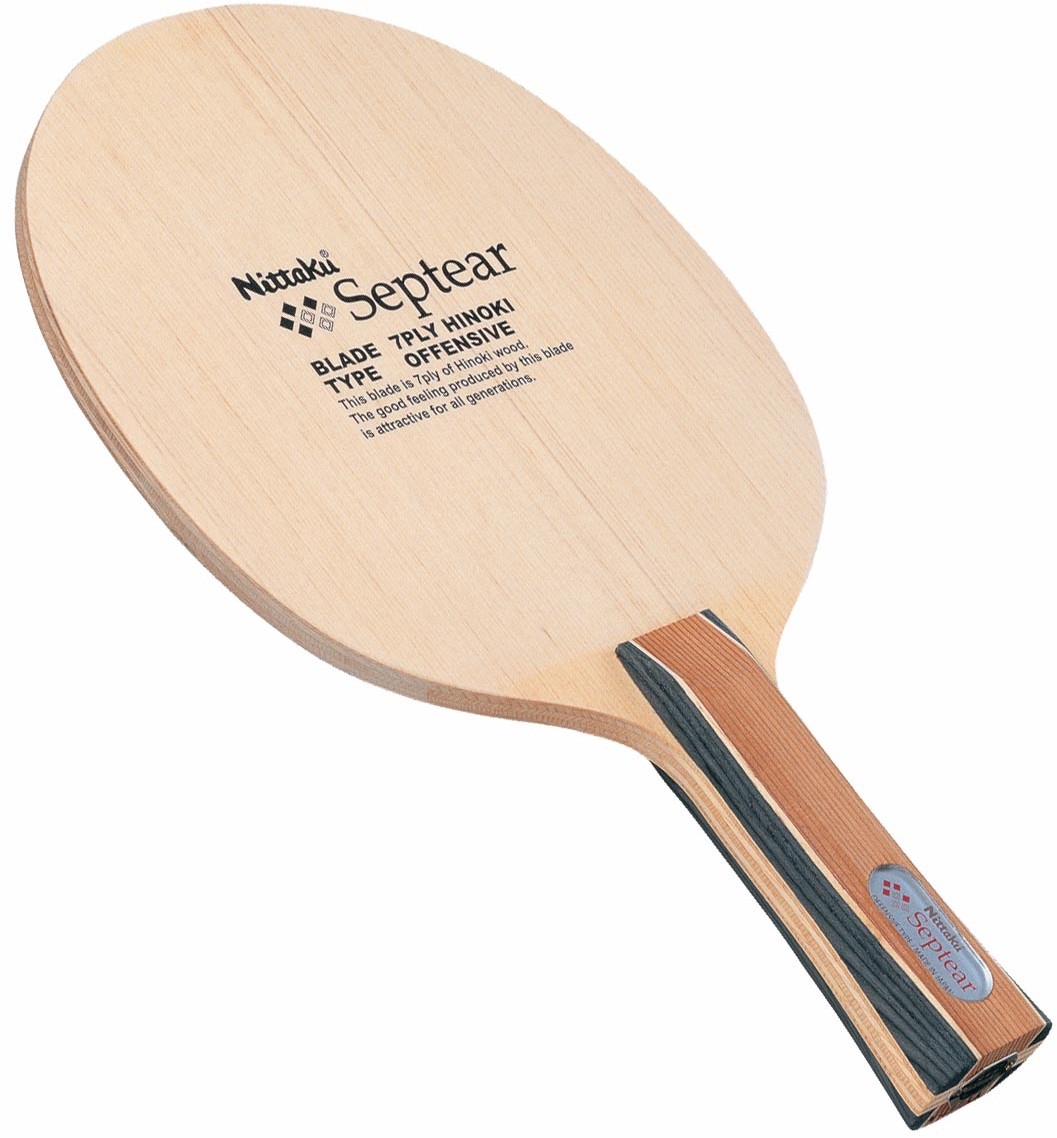
| plies | 7-ply, 5 wood + 2 ZL carbon (inner) | 7-ply all wood (Kiso Hinoki) |
| speed | OFF+ | ALL+ |
| thickness_mm | 5.7 | 6.7 |
| weight_g | 85-94 | 85 |
We may earn a commission from links on this page. Learn more.
The Butterfly Innerforce Layer ZLC pairs soft ZLC feel with genuine carbon power, exceptional control for an OFF+ blade, outstanding dwell time, and excellent spin generation. Ideal for advanced players seeking placement precision and consistency.
The Nittaku Septear is a pure 7-ply all-wood Kiso Hinoki blade with exceptional control, ball placement precision across all strokes, high dwell time, and soft responsive feel. Forgiving sweet spot supports developing players but lacks explosive finishing power compared to carbon blades.
ZLC offers offensive speed and carbon stability; Septear offers pure wood feel and greater forgivingness for technique development. Septear demands medium-hard to hard rubbers and underperforms with soft sponges.
FAQ
Which should a beginner choose?
Nittaku Septear is significantly more beginner-friendly with exceptional control and forgiving play. Innerforce Layer ZLC is for advanced players—the premium price and high speed are wasted if technique is not solid.
How much slower is Septear?
Septear is ALL+ all-wood; Innerforce Layer ZLC is OFF+—a major speed gap. Septear works well at close to mid-distance; ZLC maintains power at distance.
Which generates more spin?
Innerforce Layer ZLC excels at heavy offensive spin loops. Septear generates good spin but lacks explosive power—excellent for consistent topspin but not for aggressive finishing.
Which is more versatile with rubbers?
Innerforce Layer ZLC pairs well with wide rubber range. Septear requires medium-hard or hard sponges—soft rubbers cause poor performance, limiting versatility.