Butterfly Garaydia ALC vs Yinhe T-11+: Which Should You Buy?
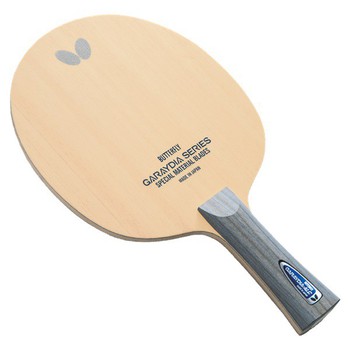
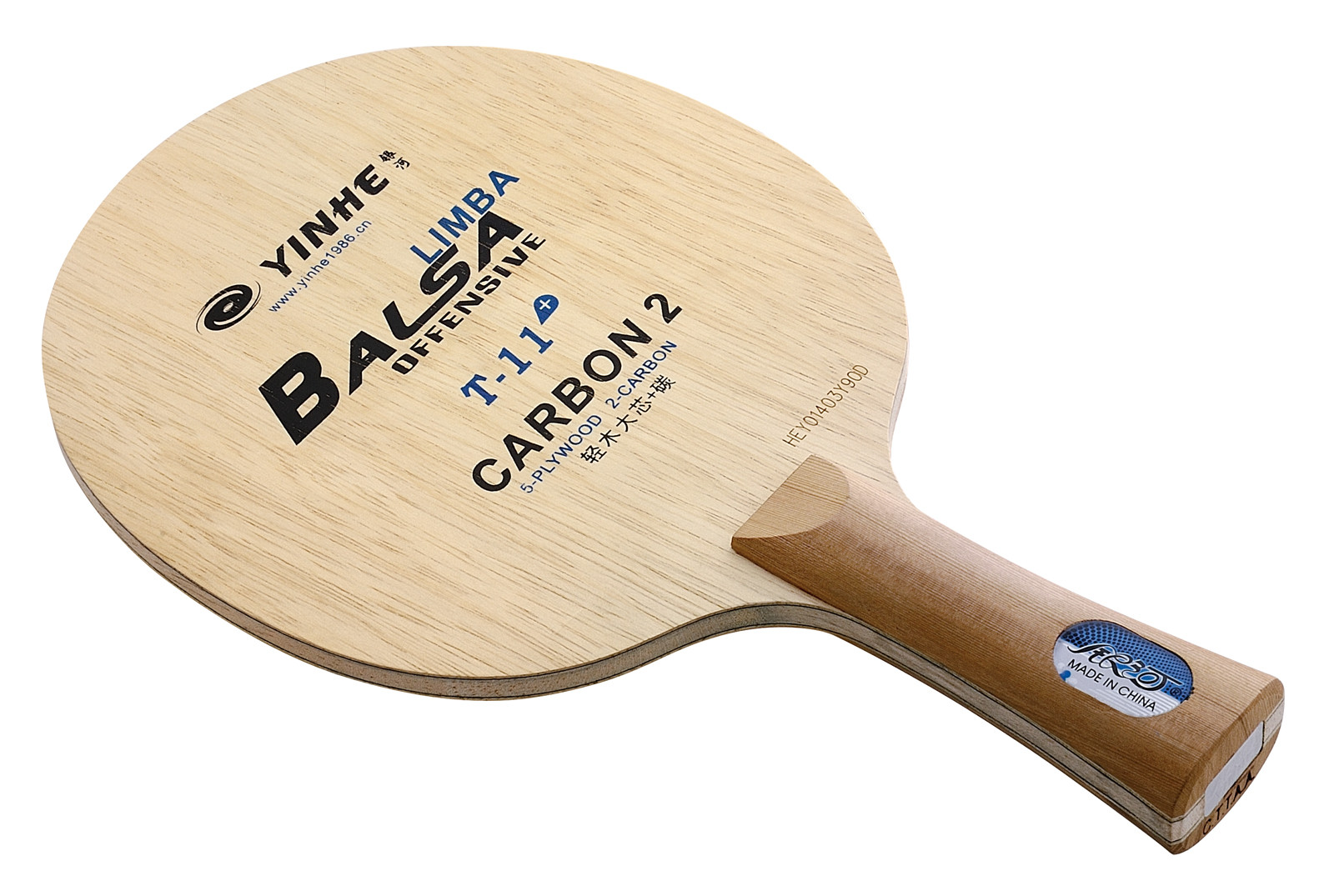
| Butterfly Garaydia ALC | Yinhe T-11+ | |
|---|---|---|
| Our rating | 8.5/10 | 7.8/10 |
| control | — | — |
| feel | Crisp, hard and stiff with a direct, low-vibration touch and a notably low throw arc | very light, stiff but soft balsa core with a carbon ping |
| handle | FL | FL |
| plies | 5-ply total: 3 wood + 2 Arylate-Carbon (ALC) layers, with an outer carbon construction under a Japanese hinoki surface ply | 5W+2 Carbon with balsa core (two thin wood outers, one carbon layer per side, around a thick balsa middle ply) |
| speed | OFF | OFF- |
| spin | — | — |
| thickness_mm | 6.9 | 6.5 |
| type | OFF | — |
| weight_g | 83 | 78 |
We may earn a commission from links on this page. Learn more.
The Garaydia ALC is a stiff, low-throw arylate-carbon blade at around 83 grams with outstanding near-table stability and control for blocking and counter-topspin.
The Yinhe T-11+ is an exceptionally light balsa-carbon blade at around 78 grams with fast pace, easy flat hitting and a stable short game, but heavy topspin looping is its clear weakness and its surface is fragile and must be sealed.
Go Garaydia for controlled close-table topspin play, the T-11+ for featherlight speed, flat hitting and flicking.
FAQ
Which is lighter?
The Yinhe T-11+ is one of the lightest offensive blades at around 78 grams, lighter than the Garaydia’s 83 grams.
Which is better for looping?
The Garaydia ALC handles topspin better; the T-11+ is built for flat hitting and struggles with heavy looping.