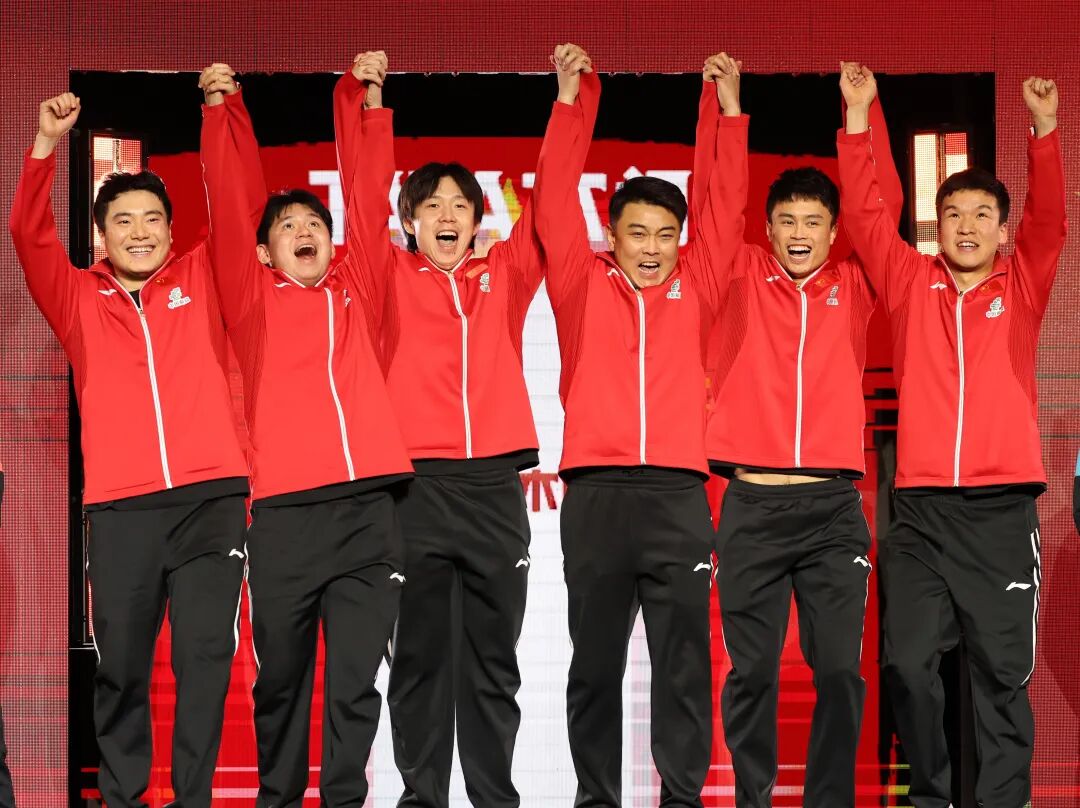
Wang Hao: "We Are the Best, and the Most United!"
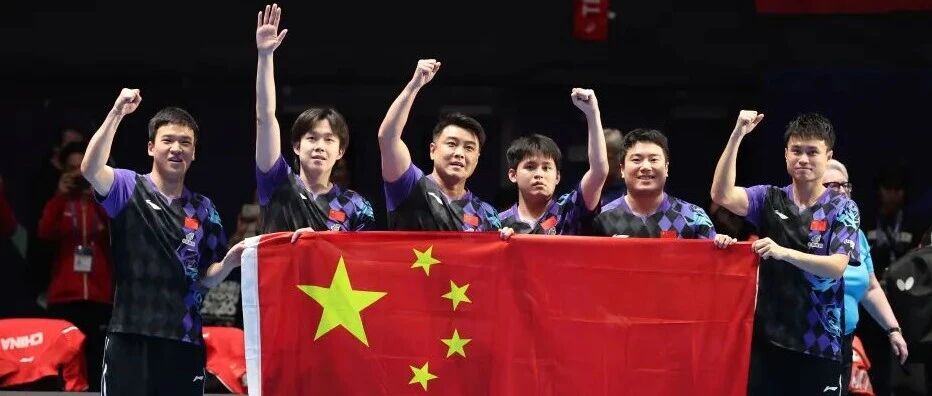
Wang Hao: “We Are the Best, and the Most United!”
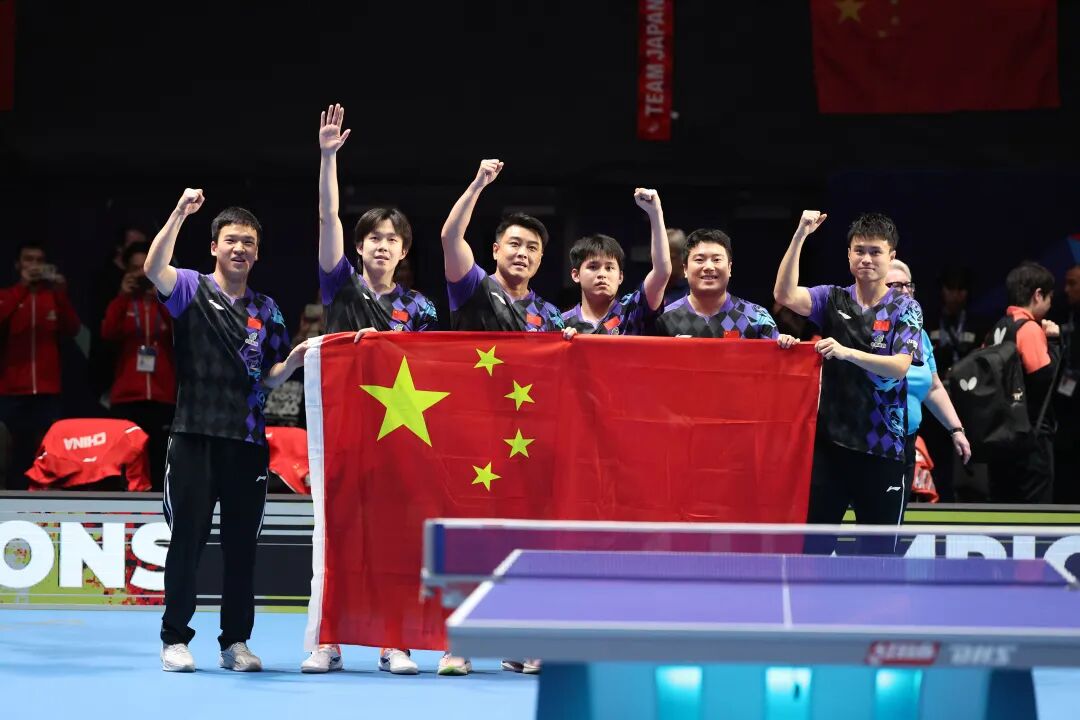
At 4 a.m. on May 10, 2026, Wang Hao sent a message to team doctor Liu Cunzhi: “When you wake up and see this, come find me and give my head a massage.”
That afternoon at 4 p.m., the men’s team final of the London World Championships was about to begin. The night before, China’s men’s team had played its semifinal against France until past 10 p.m., and they did not get back to the hotel until 11:30. For nearly ten straight days Wang Hao had followed the same routine: taking the four right-handed players and coaches through video preparation, then taking left-hander Wang Chuqin through his own video preparation. This time he decided to break the pattern, telling the whole team to rest and get treatment and to “eat well and sleep well,” moving the match preparation to the following morning.
But he himself could not sleep, caught between excitement and nerves. Compared with China’s past team line-ups, this was not the strongest five-man squad, yet by supporting one another they had finally reached the final.
Facing Japan, Wang Hao brainstormed the order, and also thought hard about how to communicate so as to draw out the positions in which the players truly felt confident. He kept thinking like this until early morning, when Dr. Liu came to massage his head; after that he seemed to doze for an hour, or perhaps did not really sleep more than a few minutes, yet his energy returned and he began preparing the players for the match.
For the final, Wang Chuqin at No. 1 was beyond question; how to arrange Nos. 2 and 3 required Wang Hao to read the players’ minds. Before the four right-handers came to his room to watch video, Wang Hao had Liu Zhiqiang ask Liang Jingkun “whose video do you want to watch?” The answer was that Liang Jingkun wanted to watch Tomokazu Harimoto and Shunsuke Togami. Hearing this, Wang Hao understood that Liang Jingkun was wavering between playing No. 2 and No. 3, so he called Liang to his room and asked, “Is it better for you to play Harimoto or Togami?” Liang said both were about the same. Wang Hao then asked, “Do you think Lin Shidong has the edge against Harimoto, or against Togami?” Liang answered firmly: “Lin Shidong matches up better against Togami.” Wang Hao went on: “Between you against Harimoto and Lin Shidong against Harimoto, who has the psychological advantage?” This time Liang did not hesitate: “Definitely me.” Wang Hao nodded and said, “Then you play Harimoto, and rattle him.” Liang smiled at that. Wang Hao then put the same questions to Lin Shidong, whose answer was: “Brother Liang definitely has the psychological edge over Harimoto.” Wang Hao nodded and said, “Then prepare well for Togami.” Through these talks and observations, the Chinese men’s line-up for the final was set.
China then played a 3-0 men’s team final. Few had backed them beforehand, and many rival teams had openly said the Chinese men gave them a glimpse of a chance, yet China defended its World Championships men’s team title, completing a 12th consecutive crown.
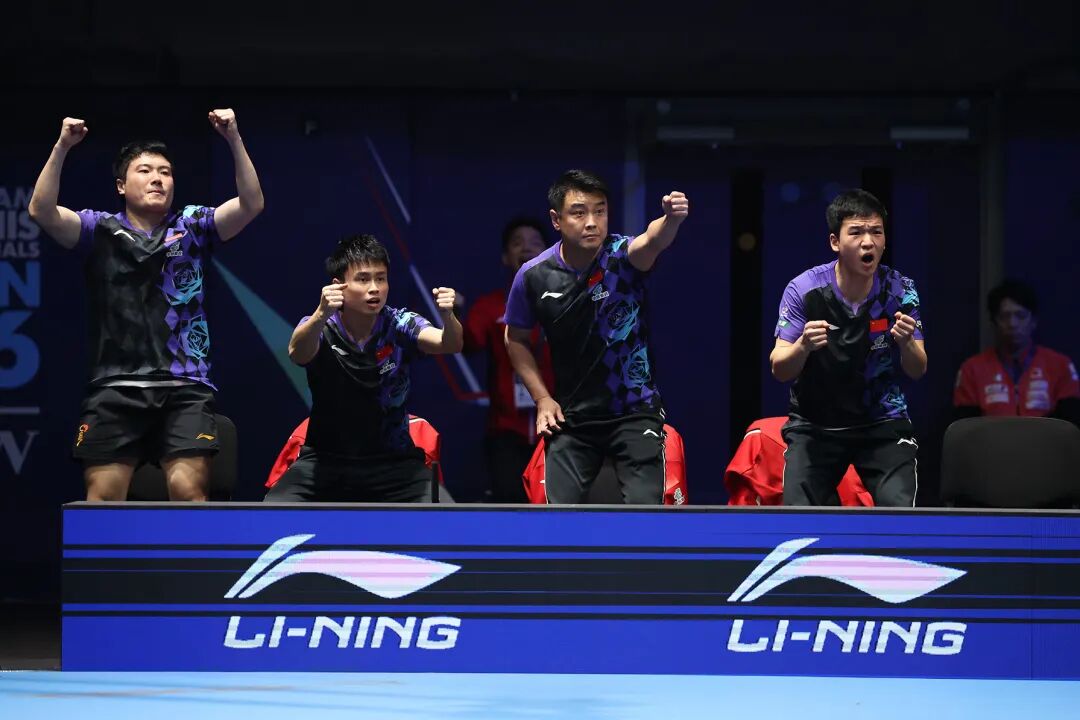
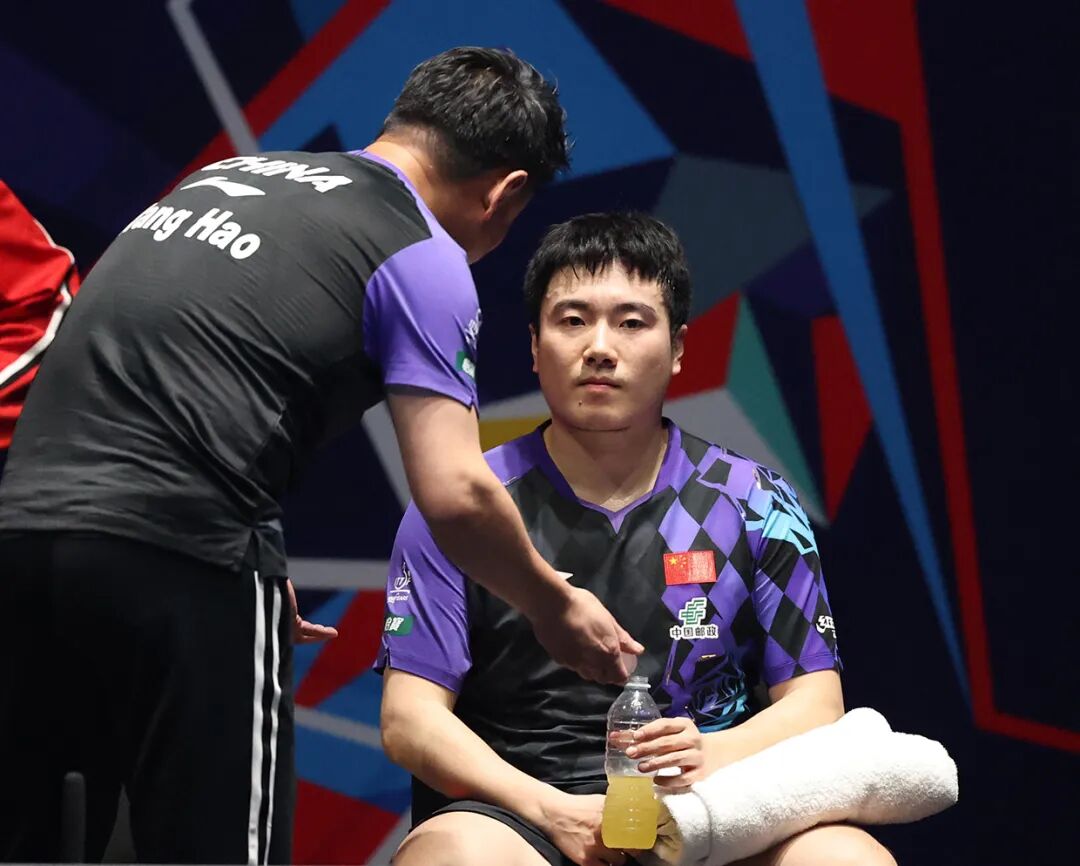
After the match, many friends sent Wang Hao screenshots of his own expression: the animated image of him “pinching his philtrum” when Liang Jingkun trailed 3-8 in the fifth game of the first match. Wang Hao laughed and said the nerves were real, but he had not actually pinched his philtrum.
That night, after the final, Wang Hao again could not sleep. Looking back, he had slept well only one night in London, the first night after arriving, and spent every other night in tension, excitement, even exhilaration. He thought of how, from the closed-door training camp to London, CTTA president Wang Liqin and head coach Qin Zhijian had stood with the team, lending a hand whenever needed and, in every shared glance, giving him and the players the firmest, most trusting strength. He heard the happy players celebrate Wang Chuqin’s birthday together, and he too sent Wang Chuqin his birthday wishes. Beyond “happy birthday,” Wang Hao had much he wanted to say to Wang Chuqin, who had won all ten of his matches in London; those were the understanding and secrets between the two of them, which he summed up in four words: “those who know, know.”
Back in Beijing, Wang Hao drank the family’s celebration toast, fell straight asleep that night and slept until past 9 the next morning. Then, together with us, he reviewed the men’s team’s title run. A few days later, at the team’s debrief, Wang Hao announced that Wang Chuqin, who had shown the spirit and responsibility of the national team in both preparation and competition at the London Worlds, would be the men’s team captain, with Liang Jingkun as vice-captain. The decision won the recognition of all the coaches and players. “I look forward to Wang Chuqin carrying the responsibility and mission of captain, and picking up the baton from captain Ma Long,” Wang Hao said.
Assembling the Five-Man Squad
On February 28, the national team confirmed its roster for the Macao Men’s World Cup, and Xiang Peng, who had lost 0-3 to Lin Yun-Ju at the Singapore Grand Smash to fall in the round of 16, was replaced. When Wang Hao found Xiang Peng, the young man was still in a daze.
“Why have you been taken off the World Cup roster?” Wang Hao put Xiang Peng’s own question back to him. Xiang Peng thought about it and answered: “I really haven’t competed well lately, I haven’t been positive either, and it feels like I’ve been a bit off in every aspect.”
The two talked carefully about mindset and form, and suddenly Xiang Peng said: “I think even if you sent me to the World Cup, with my current form I might not play well.” Wang Hao then asked him: “Which hit you harder, not making the World Cup, or not being named for the Worlds team event?” Xiang Peng thought carefully and answered: “Not being picked for the Worlds hit harder.” Wang Hao encouraged him: “Since you have your answer, prepare well for the trials.”
On March 18, the men’s team’s first internal trial ended, and Zhou Qihao was the first to win it and join the London Worlds squad. “Zhou Qihao has been a backbone of the team for years. He has competed against Ma Long and Fan Zhendong, and against Wang Chuqin and Lin Shidong, and he has always kept his strength and combativeness. Beating him is not easy for the younger players, like crossing a mountain,” Wang Hao said. “After Zhou Qihao was selected I also talked with him and encouraged him: as long as he doesn’t put down his bat, his chance will come. Zhou Qihao took it to heart, and in the closed training that followed he worked extremely hard, never missing a single session. He knew the team’s task at this Worlds was daunting and that every selected player carried a heavy responsibility, and he showed an athlete’s perseverance.”
On March 24, Lin Shidong withdrew from the World Cup after suffering an acute injury in closed training. Wang Hao told Lin Shidong that, when it comes to how injuries affect an athlete, the judgment of coaches and team doctors is only part of it: “No one can replace your own judgment of yourself, because injury brings fear in an athlete’s heart.” Wang Hao said that before he himself went to the 2012 London Olympics, he had personally torn the perpetually aching tendon in his elbow: “If it didn’t tear it would keep hurting, but to play I couldn’t let it hurt; to this day my right arm can’t fully straighten. To win, an athlete has to make some trade-offs.” Before announcing the withdrawal, Wang Hao asked Lin Shidong how confident he was about playing the World Cup injured; the answer was “at most 50%.” Wang Hao said: “Then focus on healing, because if the match goes badly you’d carry even more mental pressure.” At the same time they agreed to send Lin Shidong to the Taiyuan Contender, to keep the feel of competition and scoring and not grow too unfamiliar with the arena.
On March 25, Xiang Peng emerged from the second trial to claim the fourth spot in the Worlds squad. In the team debrief afterward, Wang Hao praised Xiang Peng’s fighting spirit on court; the player for whom “missing the Worlds hit harder than missing the World Cup” had finally proved himself in the trials.
On March 30, the Macao World Cup began. On April 2, only Wang Chuqin and Wen Ruibo broke out of the group stage into the round of 16. On April 3, Wen Ruibo lost to Lin Yun-Ju, and Wang Chuqin reached the last eight alone; under severe pressure he advanced all the way and ultimately took the World Cup men’s singles title. Wang Hao said to Wang Chuqin: “Next, you have to bring everyone together; the team’s collective spirit is yours to forge.” Wang Hao told Wang Chuqin that this was the unshirkable responsibility of a team’s leader. Although the word Wang Hao used was “leader,” in his heart the way Wang Chuqin had driven the team in closed training, and the temperament with which he could unite the men’s players, had already shown him a new men’s captain.
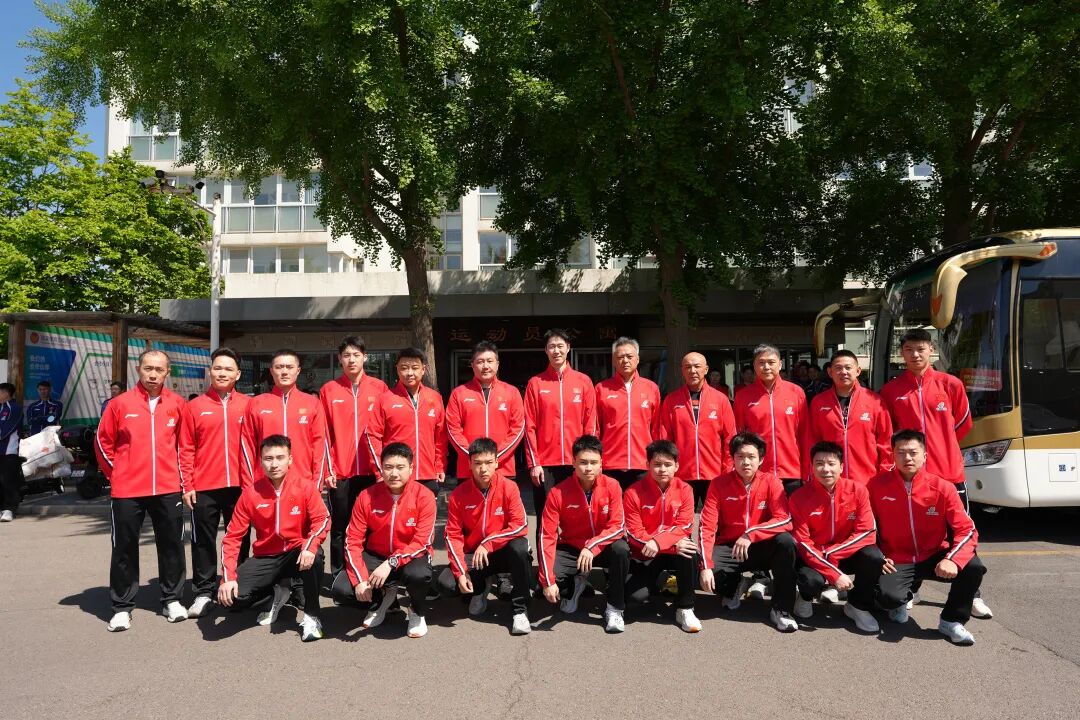
On April 8, the CTTA announced the players for the London Worlds team event, with the men’s team giving its final spot to Liang Jingkun. “This decision was made after many considerations. We sought the opinions not only of the coaches and senior figures, but also of the competing players,” Wang Hao said. “In the end, everyone pointed to Liang Jingkun’s record of reaching the singles semifinals at four straight Worlds and his experience of winning the fifth match at the Asian Championships, which made us believe he could complete this task.”
Results were not the only reason Liang Jingkun was chosen; his every bit of effort in closed training was firmly imprinted in Wang Hao’s mind. “During preparation I reminded him that he weighed nearly 90 kilograms and needed to slim down. So every day I saw Liang Jingkun at early-morning training, running on the treadmill first thing.” On the days Liang did early training, Wang Hao arrived at the gym ten minutes before him to wait. “I just wanted him to realize that we were all fighting together, and that the head coach was doing it alongside him too.” Together with coach Liu Zhiqiang, the three of them traded knowing glances by the treadmill each day, silently keeping each other company and pushing through the extra work.
When closed training ended, the men’s team was ready to fight. Wang Liqin and Qin Zhijian both encouraged this men’s team that the outside world had written off, telling them that behind them stood the most powerful backing, the entire Chinese table tennis team, and that they should always trust the team. So even though, in this brand-new five-man group, only Wang Chuqin had played the knockout stage of a team Worlds, and the other four were like blank sheets of paper, Wang Hao told the players: “It’s a fact that four of you have never played a knockout match, but each of you must have a champion’s heart. In interviews I say we’re going to fight for the win, but to you I’ll say: go and defend the title!”
We Can Win!
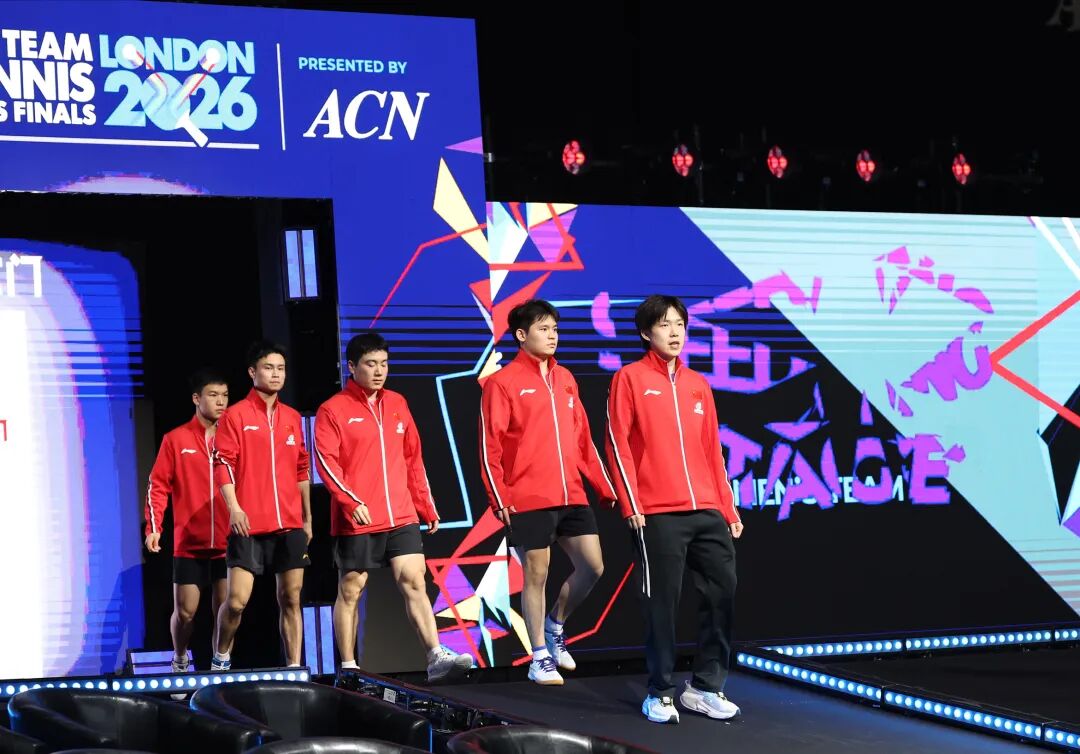
On April 30, after several days of practice in the training hall, the Chinese team entered the competition venue, Wembley Arena, for the first time to acclimatize.
“Here we are,” said Wang Chuqin, greeting the visiting reporters; his voice was a little hoarse and he seemed tired. Wang Hao had noticed this long before, and knew it meant Wang Chuqin was under pressure. Before the players took to the tables, Qin Zhijian and Wang Hao together mimed serving motions to study the lighting; once the players began training, Wang Hao sat with Wang Liqin and Ma Lin to discuss the players’ mindset and form.
“Wang Chuqin always shouldered the whole team’s wins and losses. I told him: you can’t take all three points alone; being ready to play two matches well in each tie is already excellent, and even losing a point is normal; if you can take two points, that’s near-perfect. Don’t carry so much pressure; the burden of the team’s victory shouldn’t rest on you. I knew that after winning the World Cup he had grown a lot and was always worrying for the team, so from before the matches even started I kept telling him to let go a little. But when we lost to Korea and Sweden in the group stage, his anxiety grew, and I kept telling him: you’ve already played perfectly, and between Liang Jingkun and Lin Shidong someone will always win alongside you, just be yourself,” Wang Hao said.
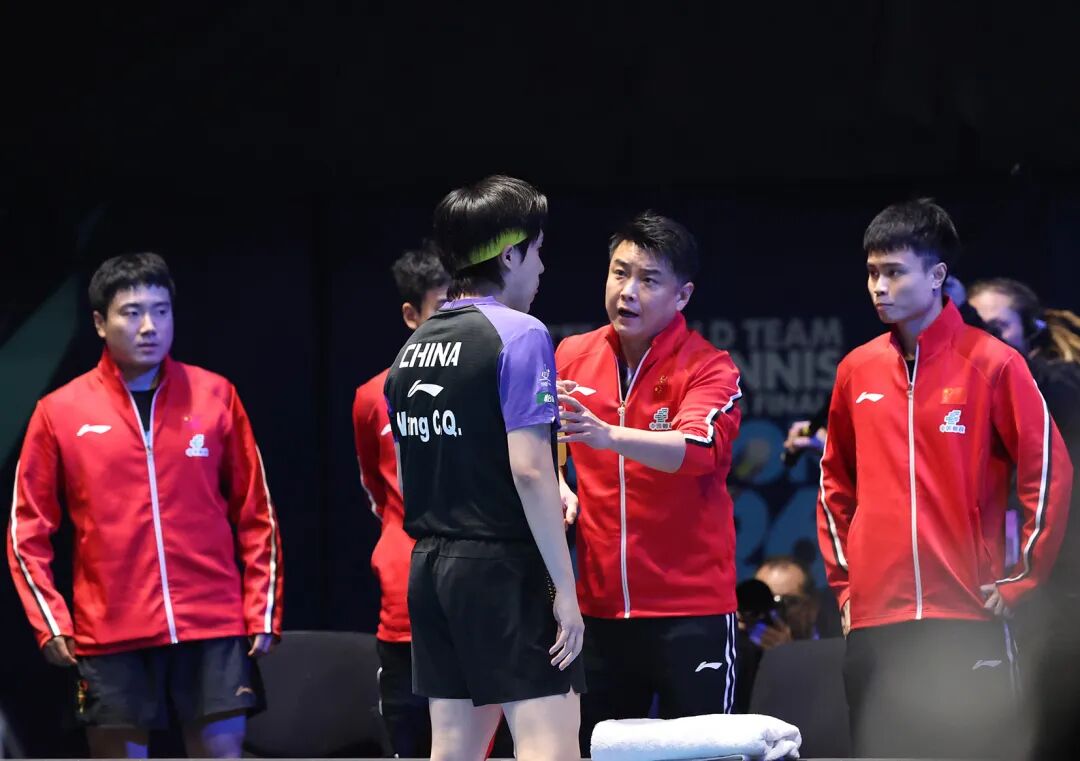
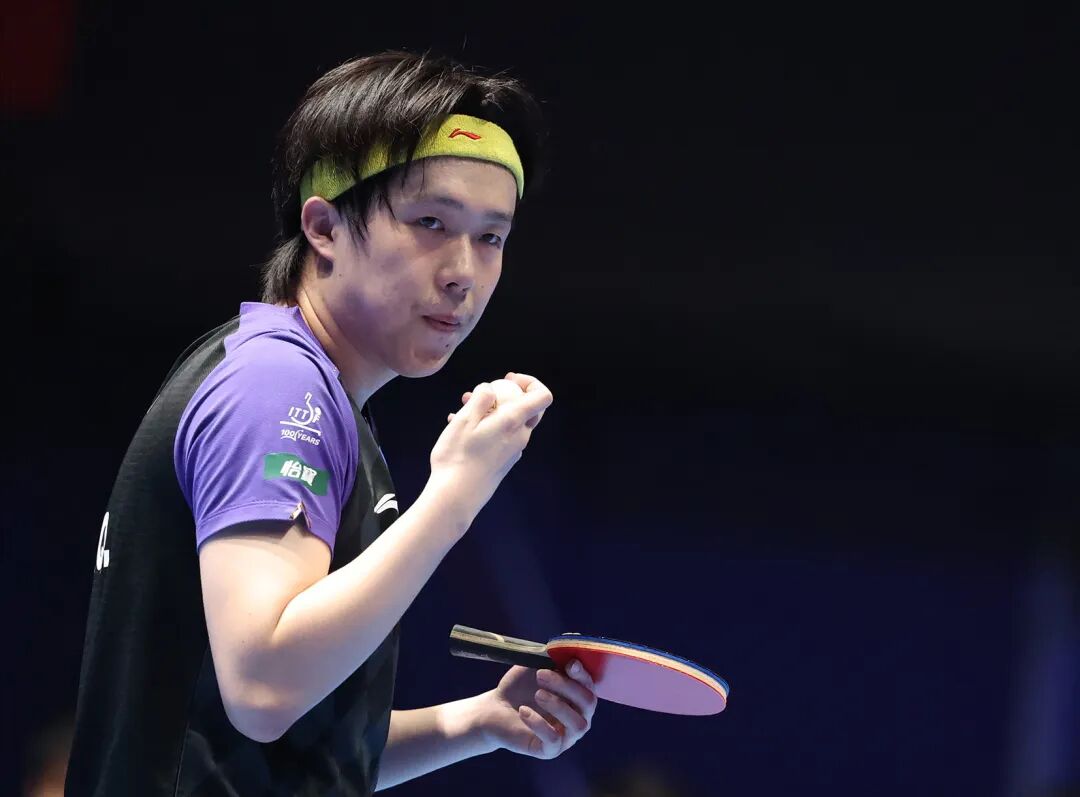
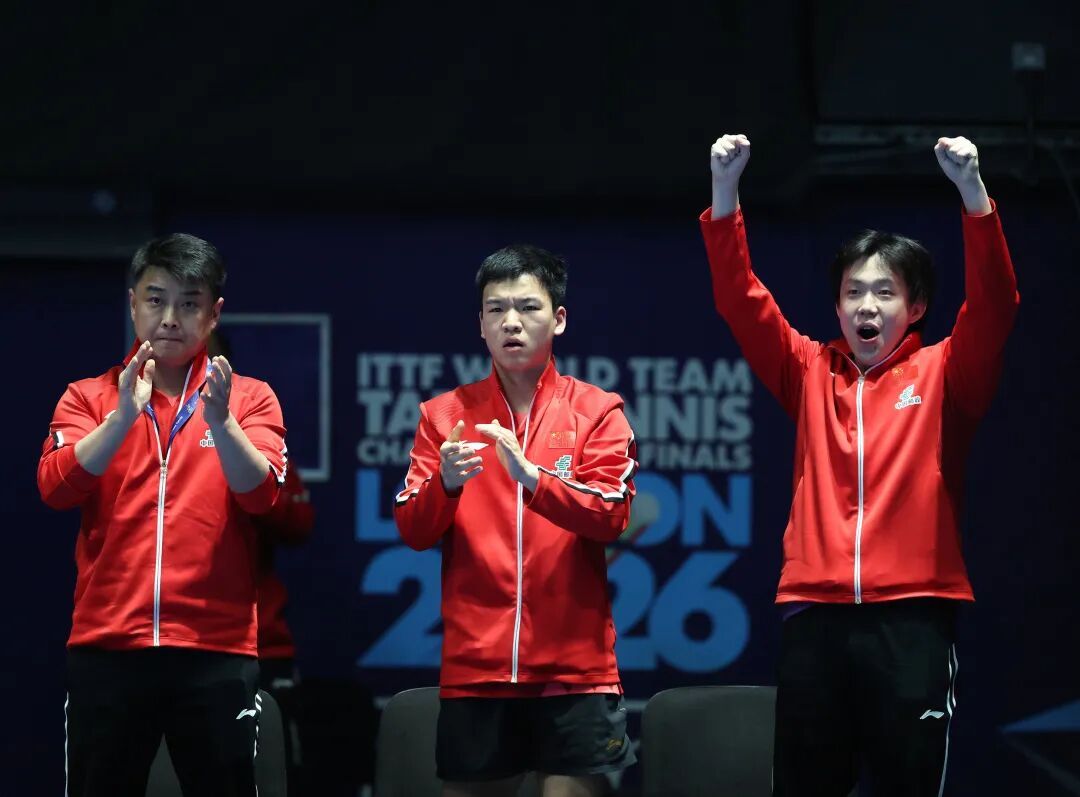
On the night after losing to Korea, Wang Hao had a heart-to-heart with the players, choosing to spur them on with sharp words. But the next day, against Sweden, the men’s team, hoping to take top spot in the group, lost again. This time Wang Hao changed his approach, speaking mainly in encouragement.
He asked Lin Shidong, who had lost two points to Sweden, what a team Worlds felt like. “It’s unlike any match I’ve ever played, and completely different from what I’d heard, imagined and prepared for in closed training,” Lin Shidong said.
Wang Hao smiled and told Lin Shidong: “No matter how much others describe the feeling to you, nothing compares to experiencing it yourself. The fact that you feel this way now means you’ve started to think and to engage.” Then Wang Hao gathered the players and coaches together: “Facing the knockouts, players and coaches alike need to summon themselves anew; lose one match and we go home, so we simply have to win.”
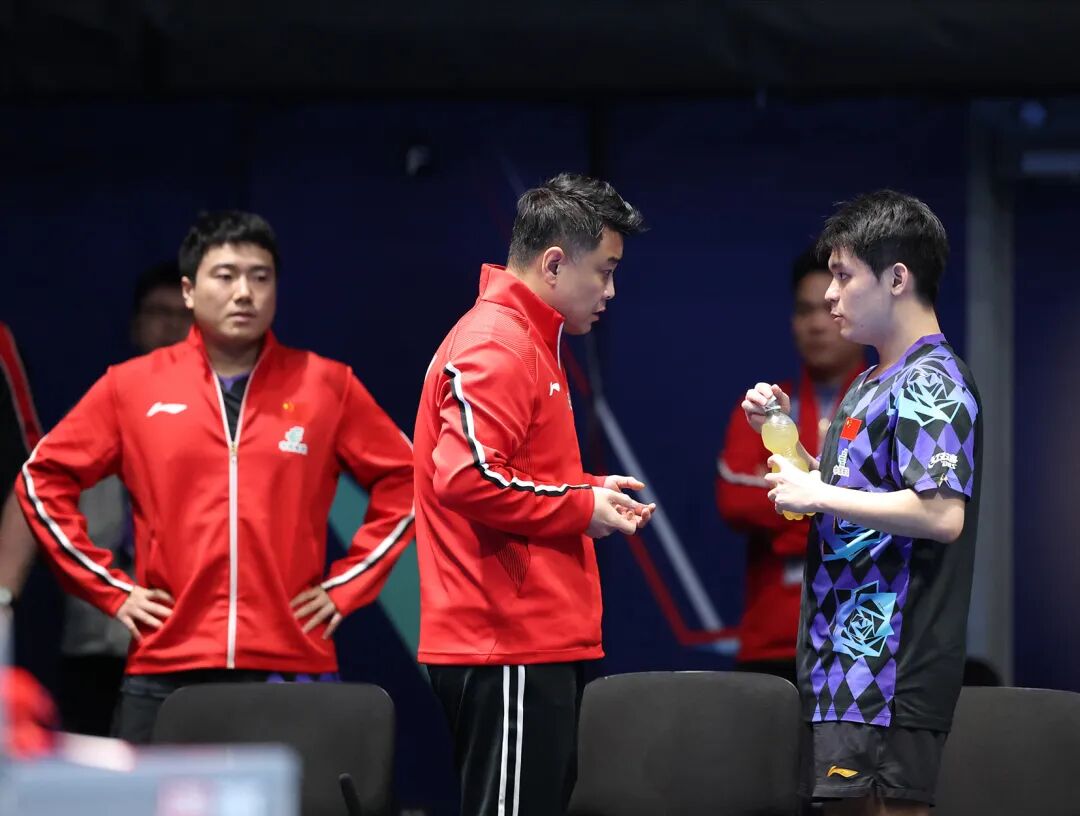
China beat Australia smoothly to reach the round of 16, then played Romania in the round of 16, where Liang Jingkun dropped a point in the first match. “He was too nervous. Throughout the matches and preparation, I observed each of them, and together with President Wang, Coach Qin and the other traveling coaches I discussed when to say what to the players. The one thing I asked of the players was that they must tell the truth. Against Romania, the opponent’s level from the start exceeded what Liang Jingkun had imagined; afterward I told him to give himself a full assessment in future and to tell me honestly, before each tie, who is easy and who is hard for you to play, and which position you want.” Wang Hao laughed, saying that every day he “pushed” the players to chatter to him at length, the most important thing being that they tell him their hundred-percent honest thoughts.
The quarterfinal again brought Korea. Before the tie, Lin Shidong, playing No. 2, guessed he would face their No. 1 Jang Woojin and felt a little daunted, having just lost to him at the Doha Champions earlier in the year. Wang Hao told him: “No. 2 is there to charge at their No. 1, not to win for sure. If you can win it, we extend our advantage and you’ve over-delivered; but if you don’t, that’s normal too, no team’s No. 1 is a free gift. Last time you lost to Jang Woojin because a few links weren’t handled well; as long as you’re meticulous, you can definitely win.”
In the end, in this tie, Lin Shidong and Liang Jingkun together turned in a 3-0 answer. Wang Chuqin, who had taken the opening match 3-2, joked afterward: “I turned out to be the one who played worst in this tie.” Having shouldered the team’s wins and losses from the moment he arrived in London, Wang Chuqin, who even with communication easing his load still could not help worrying for his teammates, finally let out a breath. Wang Hao seized the chance to tell him: “Same as always, just be yourself, trust your teammates and our coaching staff, and we can win!”
The Power of Belief
Before the France semifinal, Wang Hao specially invited Qin Zhijian back to give the team a pre-match talk. “We all noted that from players to coaches, to support staff and sparring partners, we also had our hugely experienced association president Wang Liqin, and Ma Long and Xu Xin had come too. With such a powerful team, no other team in the world can compare with us.”
In the semifinal, Wang Chuqin again took two points for the team; although Lin Shidong lost to Felix Lebrun, Liang Jingkun seized the crucial points in the third match against Alexis Lebrun, and China marched into the final.
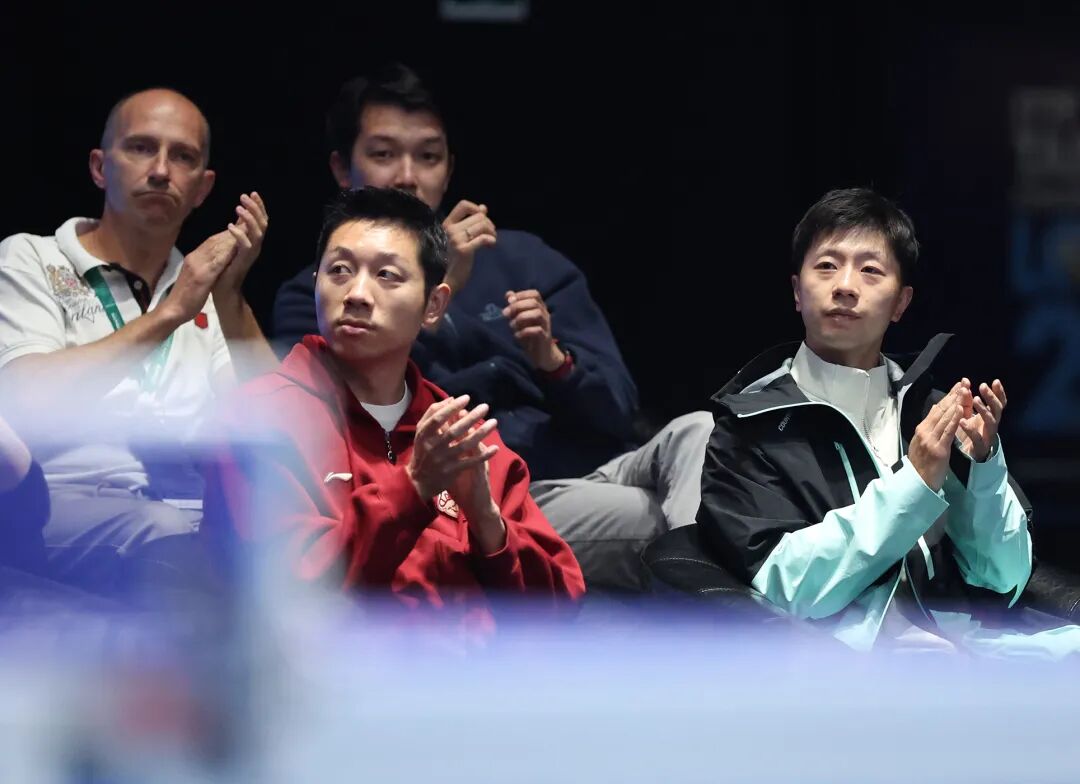
Before the tie Wang Hao kept “working on” Liang Jingkun and Lin Shidong, asking again and again who they had the psychological edge against. “In fact the players already had the answers in their hearts, but they also doubt and waver, so you have to wait until they’ve decided and said it themselves.” During this process Lin Shidong worried he would lose to Felix, and Wang Hao eased his pressure: “I’m putting you at No. 2 mainly so you can win the fifth match against Coton. You two have played since the youth events, all the way from childhood until now; prepare for that match.”
The third match of the whole tie was the most tightly contested: Liang Jingkun fell 0-2 behind with a wide margin, taking just three points in the first game and one in the second. “Actually, if Liang Jingkun just plays normally, there’s no problem against Alexis, but he had too many thoughts and was nervous to an absurd degree. Before the third game I let him sit out for a moment to calm down, and I told him: Old Liang, for you this match is already over; when you go back on, it’s the next chance, so cherish it and fight like a man.” Wang Hao said that as long as Liang won the third game he had a chance, and when the score reached 2-2 Alexis’s nerves also gave way. “So before the deciding game I told Liang Jingkun: this match isn’t decided by him, it’s decided by you.”
After the semifinal, the players first loosened up in the training hall, and it was nearly 11:30 p.m. when they got back to the hotel, which is where the scene at the start of this article comes from.
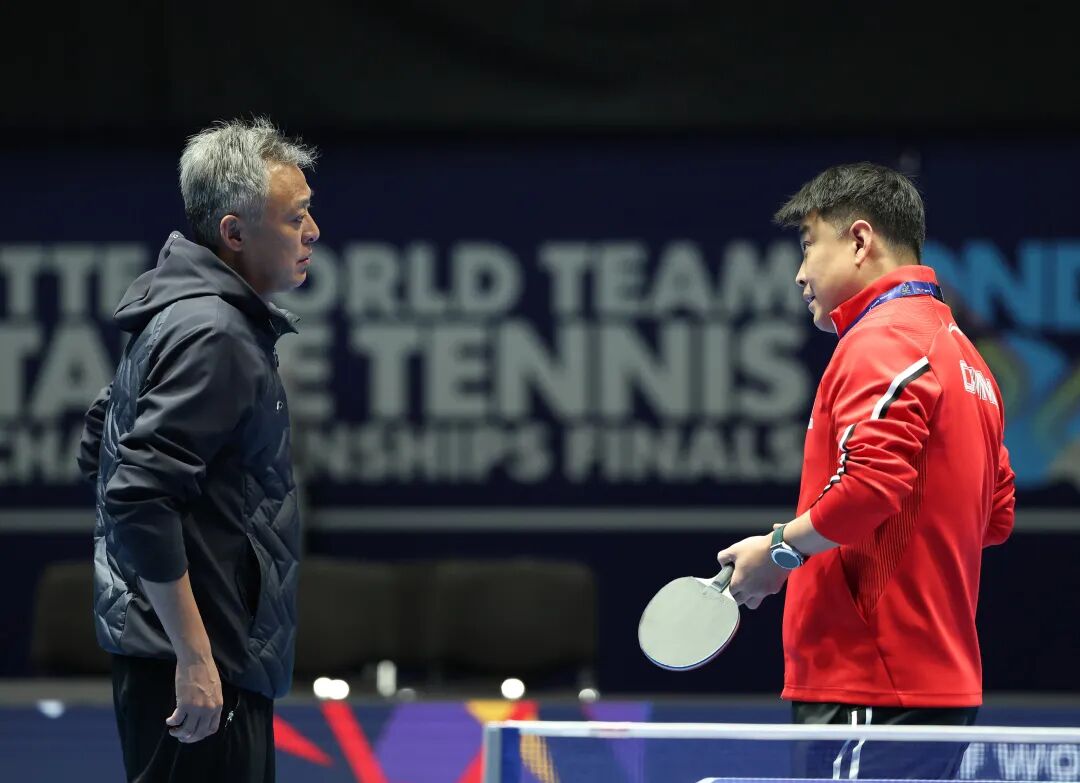
Before the final, the men’s team’s nightly routine was this: Wang Hao would first take the four right-handers and their coaches through video to prepare, while Wang Chuqin ate and had treatment; after preparing the right-handers, the two sides would swap, and Wang Hao would take Wang Chuqin through opponents in a left-hander’s thinking while the four right-handers ate and had treatment. Once the whole routine was done, Wang Hao would grab a bite of instant food bought from the little supermarket across from the hotel.
For the final, Wang Hao told everyone to immediately empty their minds of all the good and bad memories from before: no meeting, no video. “Eat well, sleep well, get your spirits right; whoever wants to watch video tomorrow, send me a message.” But Wang Hao could not sleep, his mind running until the next morning when he watched video with the players. On the morning of the final, the men’s team settled on its order: Wang Chuqin at No. 1, Liang Jingkun at No. 2, Lin Shidong at No. 3.
The Best, the Most United
The first match of the team final went to a deciding game, where Liang Jingkun came back from 3-8 down to take eight points in a row and win. “Although Liang Jingkun was 0-2 down in the first match, he played well; it was Harimoto who was better in the first two games. But against Liang Jingkun, playing well doesn’t mean you’ll win; once Harimoto started having doubts, Liang’s chance came. With Liang Jingkun, no one finds him easy to play; he fights a psychological battle, and the moment the opponent has the slightest doubt, sorry, it becomes Liang Jingkun’s time.” Just as Wang Hao said, Liang Jingkun reeled it back in.
“I really was quite nervous chasing the score, but not to the point of the videos friends later sent me, where I’m supposedly pinching my philtrum; honestly not that far. Because I knew Old Liang must have a belief in his heart. I thought of that glance we shared by the treadmill every morning in closed training, and I trusted that this belief would carry him to win the match.”
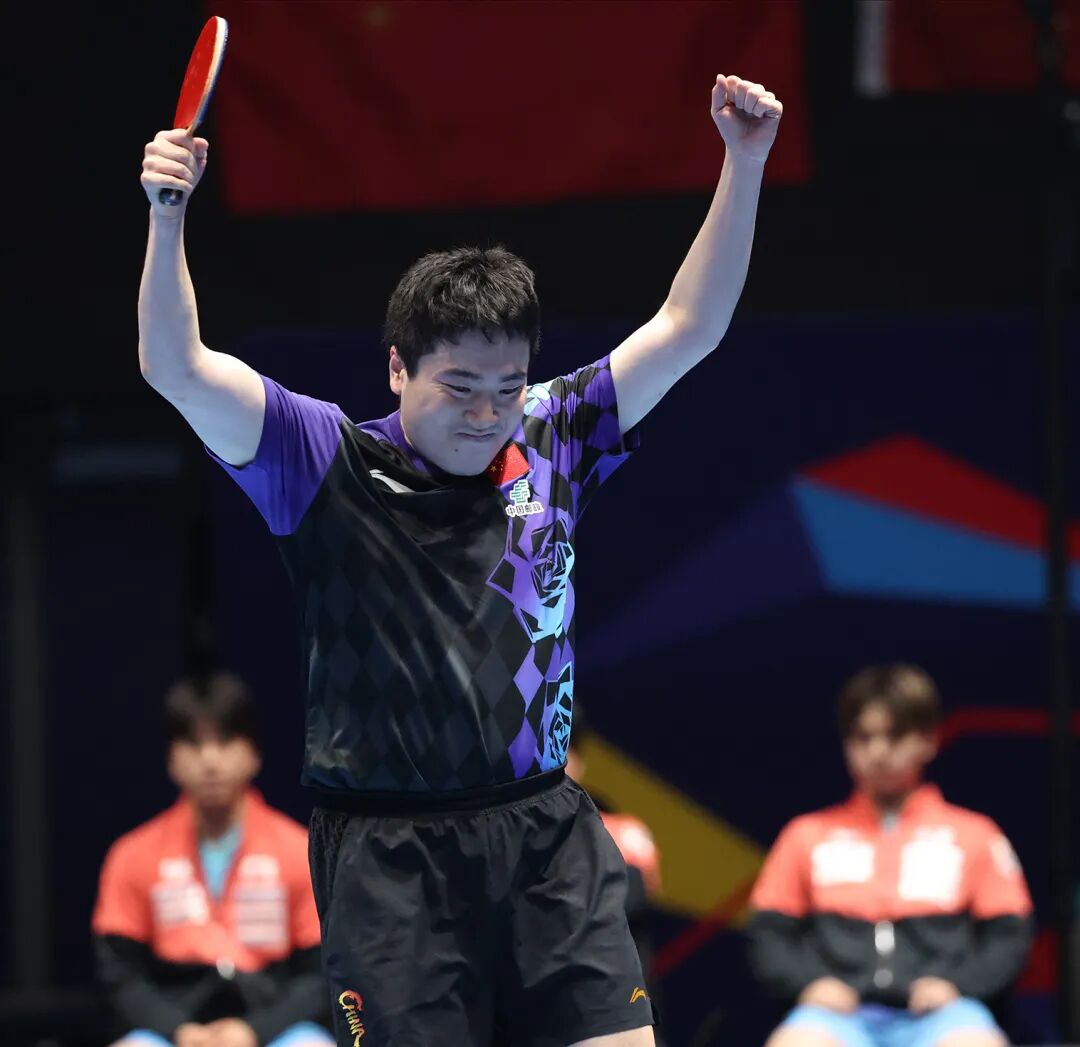
In the second match of the final, Wang Chuqin beat Sora Matsushima 3-1; after winning, he pointed his index finger at his own chest, then at Wang Hao. After every win in London, Wang Chuqin would interact across the court with his coaches and teammates, a fist bump or a knowing point. “In these interactions, what Wang Chuqin wanted to express was his feeling for the motherland and the team. Each time we pointed at each other, what I felt was mutual trust, which is extremely important in a team event,” Wang Hao said. “Wang Chuqin went 10-0 in London, showing his responsibility when the team was in difficulty, his competitive ability, and his core role in the team. Through this team event, I’m even more certain he is fully capable of the men’s captain role I have in mind.”
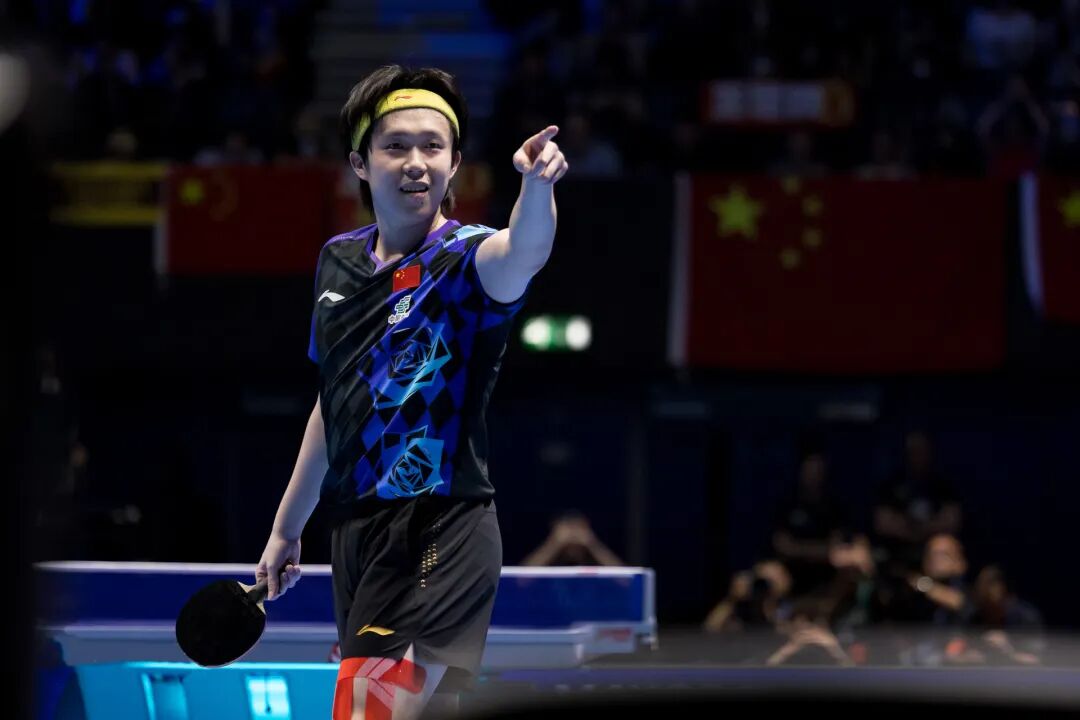
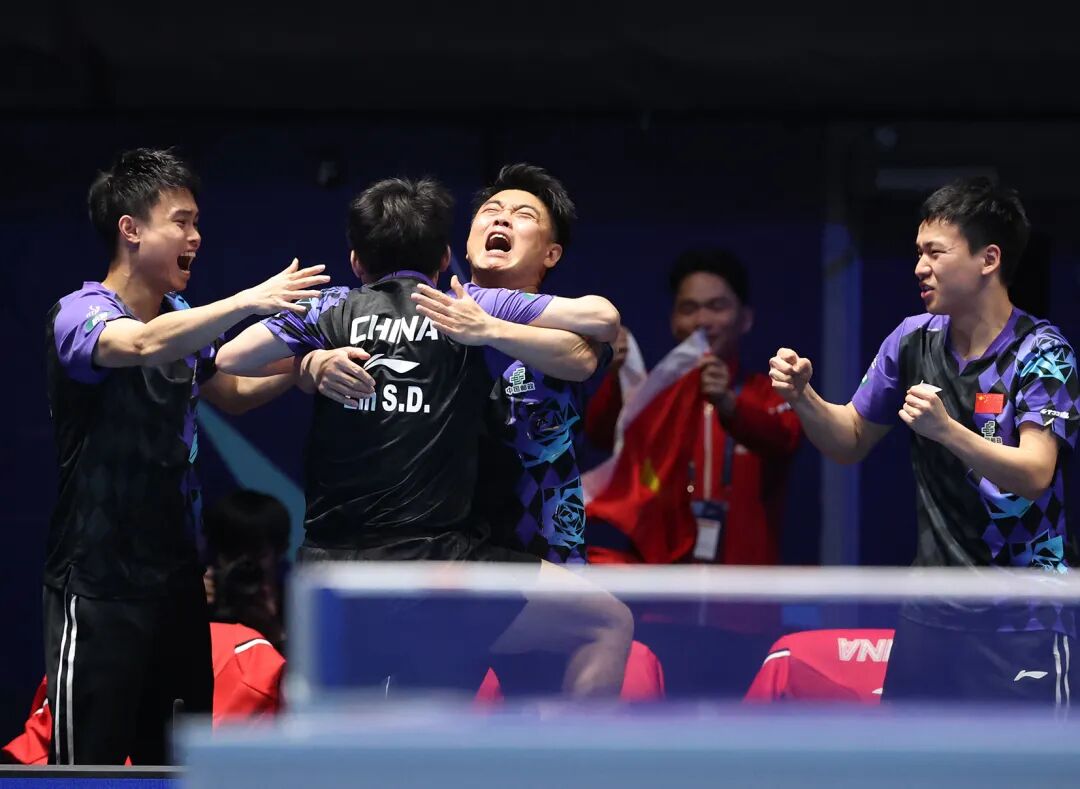
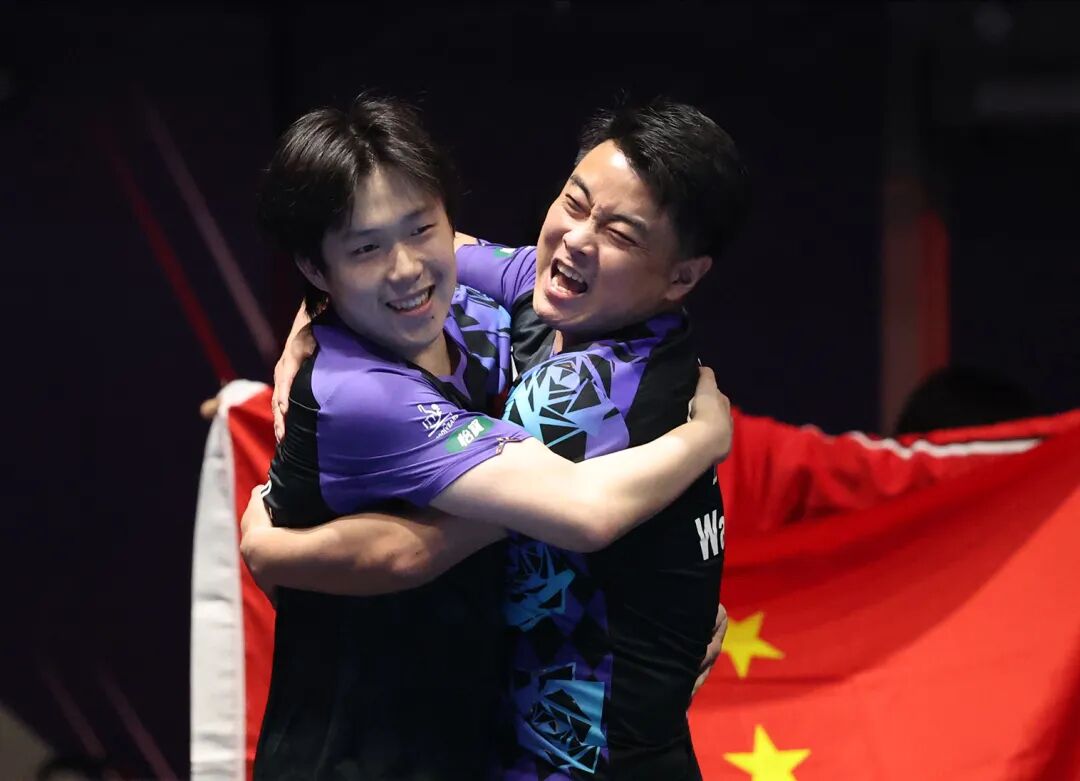
In the third match, Lin Shidong beat Shunsuke Togami 3-1; he put down his bat, rushed to the coaching bench and embraced Wang Hao. “The moment Lin Shidong threw himself at me, I too was very moved. Later, when I saw him mention in a post-match interview how I watched video with them every day in preparation, I felt deeply too. I know many voices outside think I speak to Lin Shidong rather harshly, but that’s just adding appropriate pressure in daily training and competition; at the Worlds we stood from the players’ side, communicating and preparing with them at the center. I hope everyone can understand. Embracing Lin Shidong, I could feel the trust between us.”
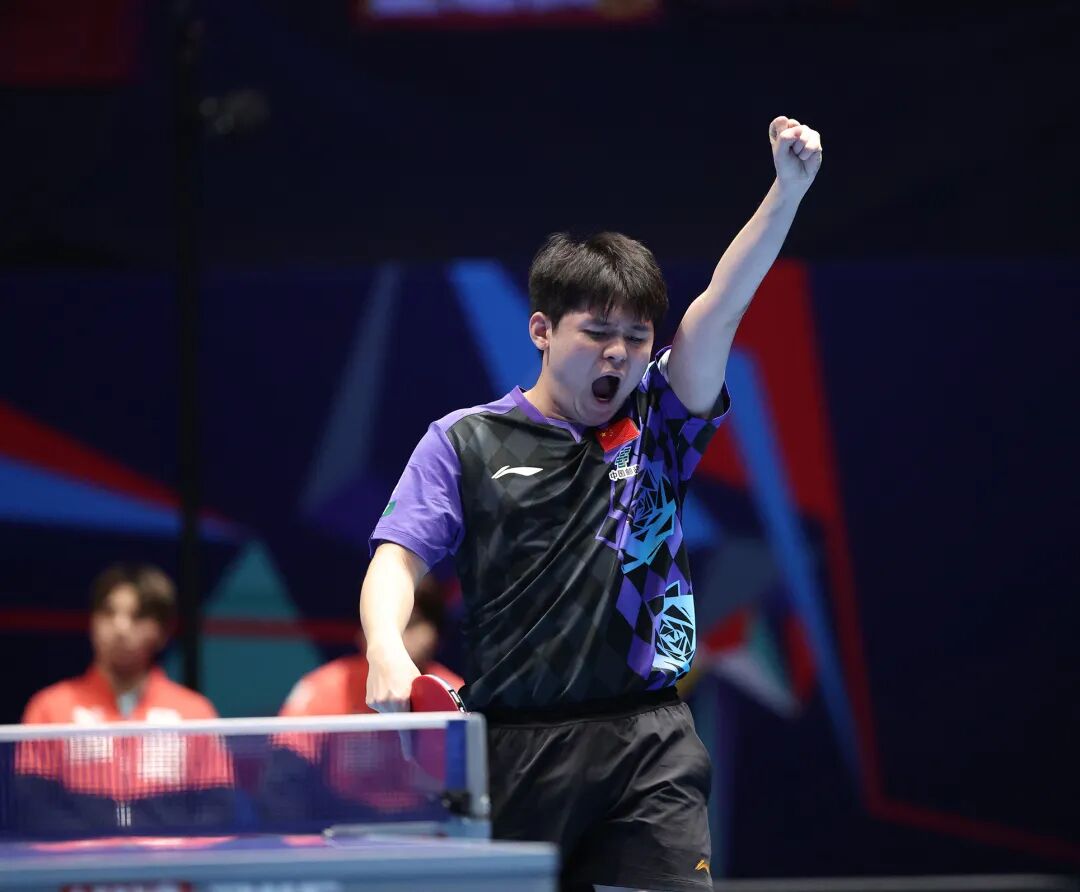
The five players who had been written off before the event cut through every obstacle to defend the men’s team title. Wang Hao said that, having been through the London Worlds, the team was more united. Afterward he went over to Zhou Qihao to affirm his perseverance, then patted Xiang Peng and told him: “This experience will be a precious asset for your future career and your life.”
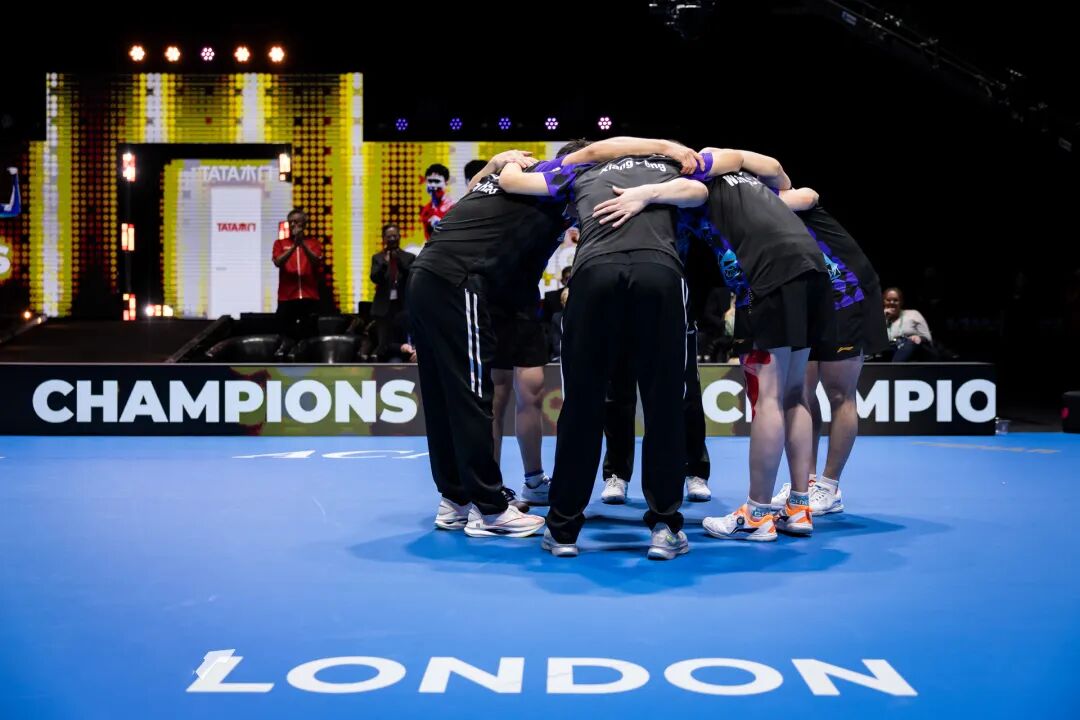
“Before the matches I received many messages, all from veteran coaches and elders who cared about the team. I could feel they had much to say, but were carefully choosing their words for fear of putting pressure on us or having a bad effect; I was deeply moved. After the matches Wang Liqin mentioned that, for this young men’s team, the competition involved many setbacks and difficulties, but when we met those difficulties we carried forward a never-give-up, tenacious sporting spirit, and he fully affirmed us,” Wang Hao said. “All this care and affirmation reminds me not to forget that the Chinese table tennis team is the inheritance of generations of Chinese table tennis people. Whether the players on court, the coaches off court, or Zhou Qihao and Xiang Peng, the logistics staff and sparring partners who diligently trained with those on court every day, all are a ‘dream team.’ Ma Long and Xu Xin came to the team in the late stage of closed training to train with the players and to do the mental work of motivating them; that is the passing down of experience, a fine tradition of the Chinese team. This title is the result of everyone’s efforts; not one of them could be missing.”
Standing with the players on the podium and lifting the Swaythling Cup, Wang Hao thought: “From the start of this competition, everyone was burning to win the title, and in the end we did it. Our Chinese team is simply the best, the most united!”