Satsuki Odo Returns to the Top 10 — Her Points "Secret," Yet Still Short of Japan's A-Team

Satsuki Odo Returns to the Top 10, Her Points “Secret,” Yet Still Short of Japan’s A-Team
On June 8, the ITTF released its world rankings for Week 24 of 2026, and Japan’s Satsuki Odo, who had just won the women’s singles title at the WTT Contender Skopje, returned once again to world No. 10 in the women’s singles.
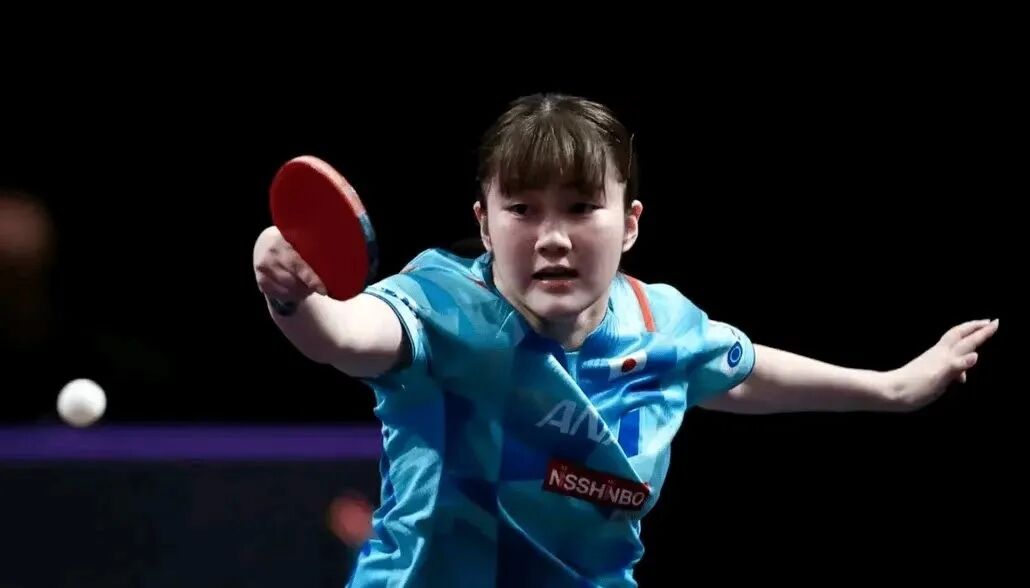
Odo now has 3,380 points, making her the second-highest-ranked player on Japan’s women’s team. Hina Hayata is 12th with 3,240 points, Honoka Hashimoto 13th with 2,914 points, and Miyuu Nagasaki 15th with 2,395 points.
Olympic mixed doubles champion Mima Ito trails Odo by more than 1,000 points, sitting 16th with 2,360 points, while another world champion and Paris Olympics women’s singles entrant, Miu Hirano, has already dropped out of the top 30.
Odo’s rapid rise came in 2024. At the start of that year she did not even have a world ranking, yet by Week 45 she had already broken into the world top 10, and by Week 47 she stood at No. 8.
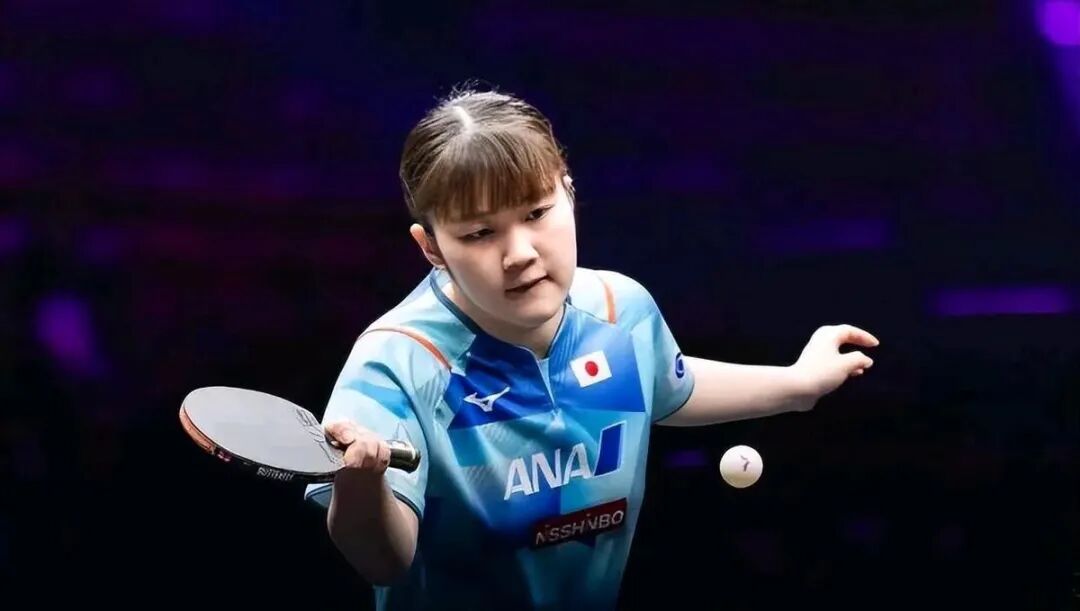
But awkwardly out of step with her ranking is how rarely Odo makes Japan’s main women’s squad for major team events. Although she earned a place at the individual events of the 2025 Worlds, in 2026 she was not on the roster for the London Worlds team event.
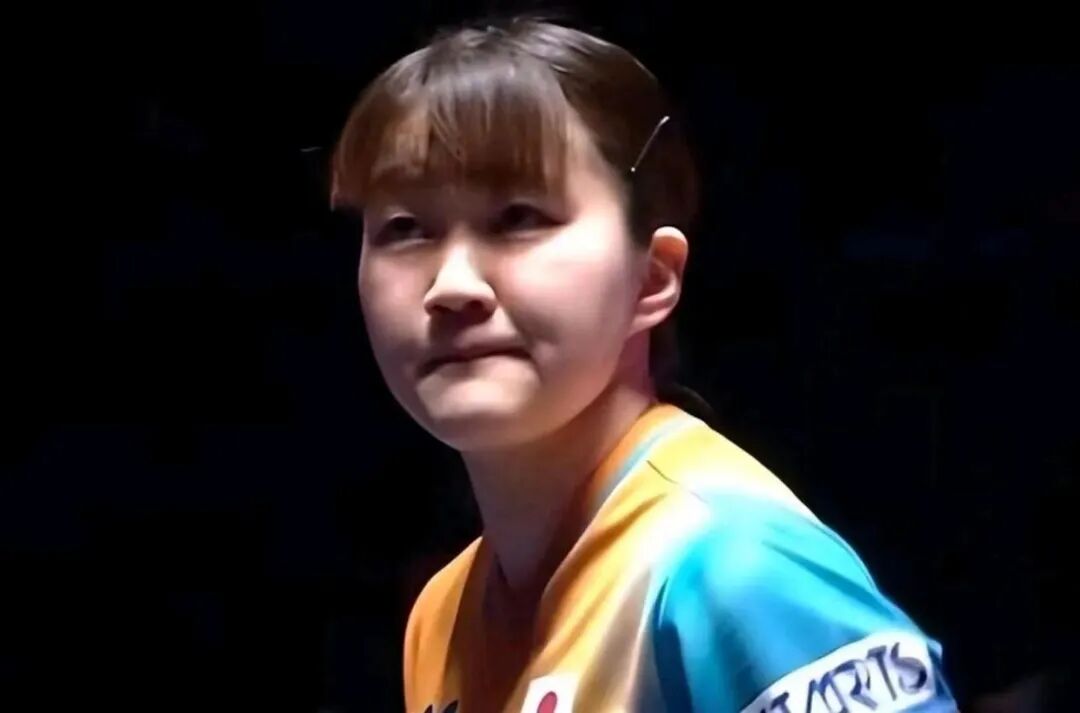
She was also absent from the seven-event roster for the Nagoya Asian Games that the Japan Table Tennis Association announced on May 21.
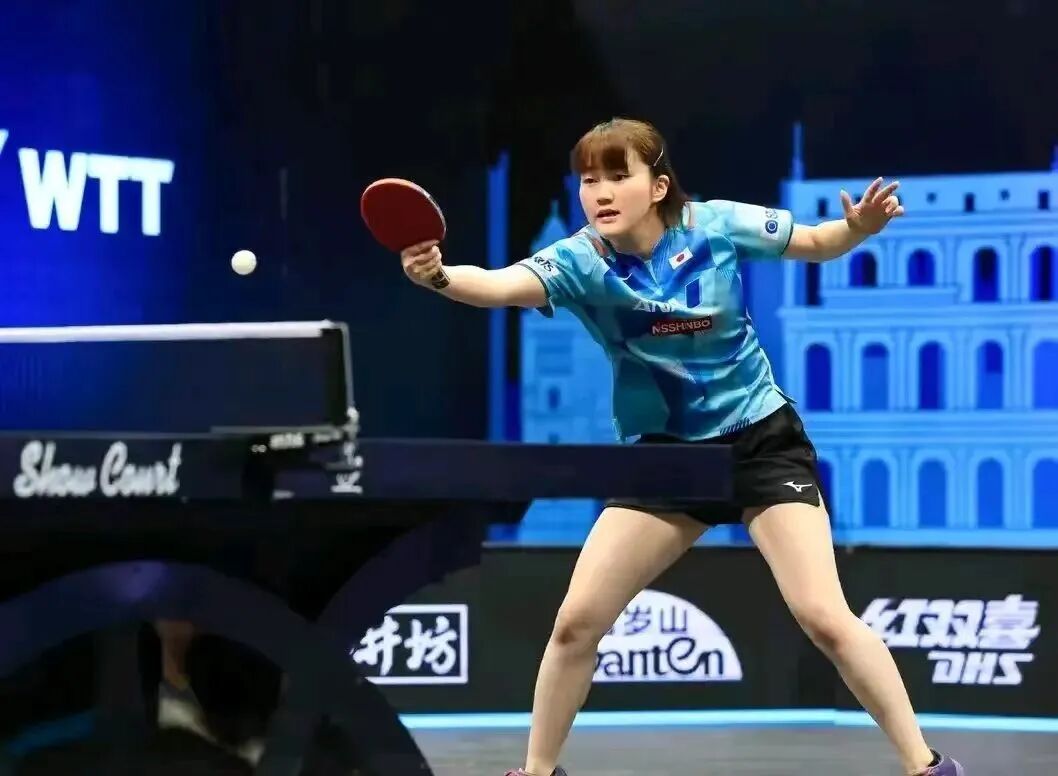
A closer look at Odo’s schedule shows that most of the events she enters are ones the five main Chinese women’s players skip, concentrated in WTT Contenders, Star Contenders and feeder series.
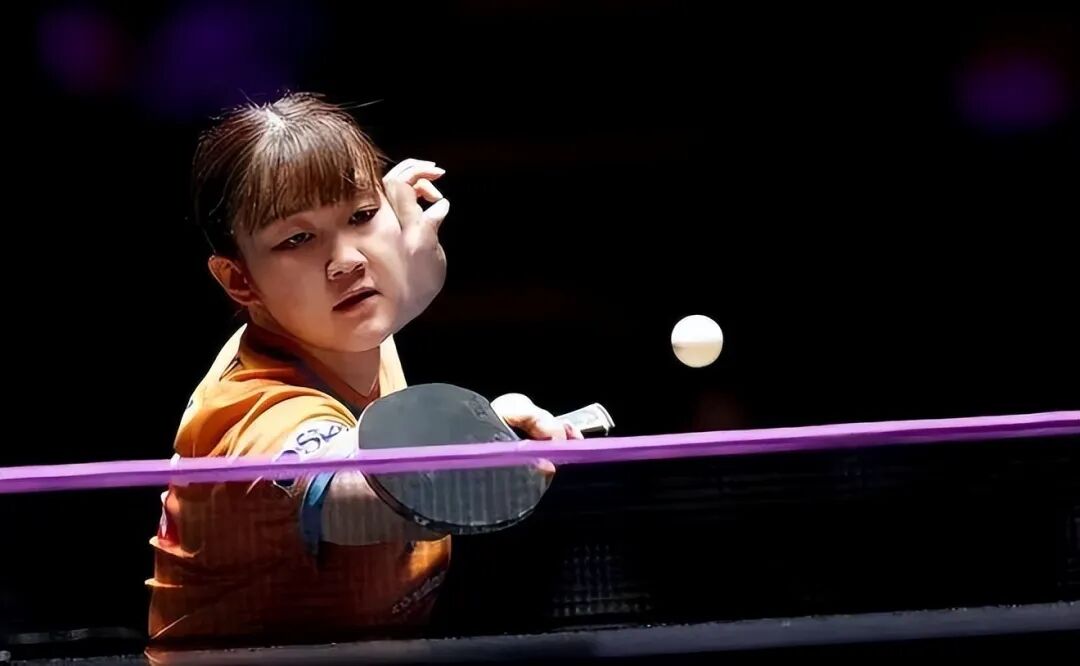
In 2026, Odo has won women’s singles titles at the WTT Chennai, Taiyuan, Lagos and Skopje stops, accumulating 1,800 points across the four events, more than 50% of her current total.
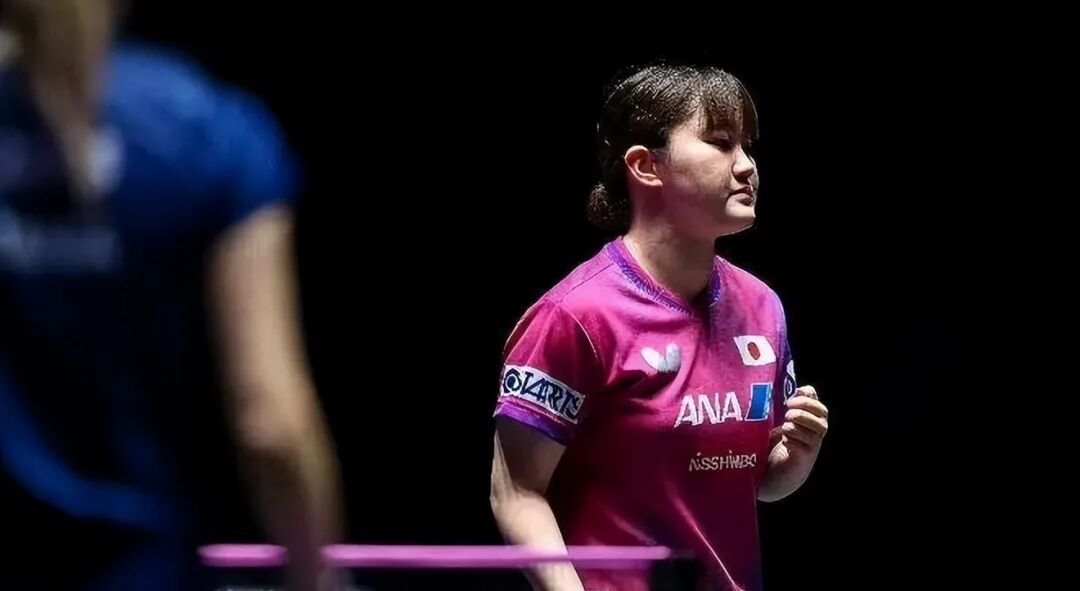
And in those four events, every opponent she beat was a teammate. At the WTT Chennai Star Contender she beat Miu Hirano 4-0; at the WTT Taiyuan Contender she beat Hitomi Sato 4-1; and at the Lagos and Skopje Contenders, the player Odo beat was Honoka Hashimoto.
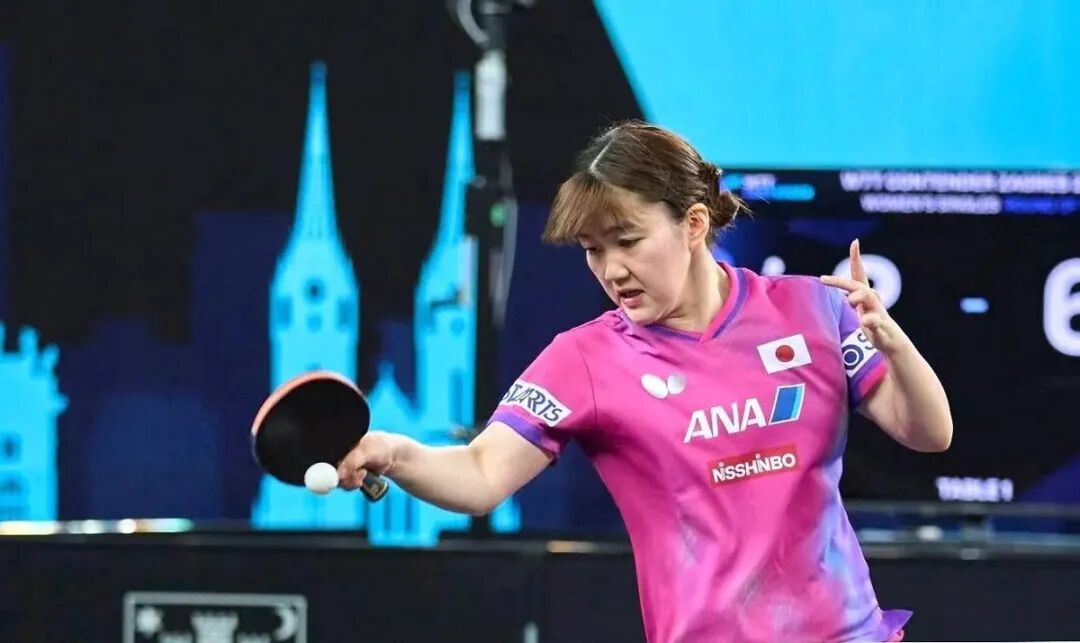
This targeted approach to scheduling keeps pushing Odo’s world ranking higher, yet it has also become the core reason she struggles to make Japan’s main squad for major events, creating one of the great dilemmas of her career. Under the Japan association’s major-event selection methods, priority goes to players who can take on China’s main players at top events and who have title-winning potential.
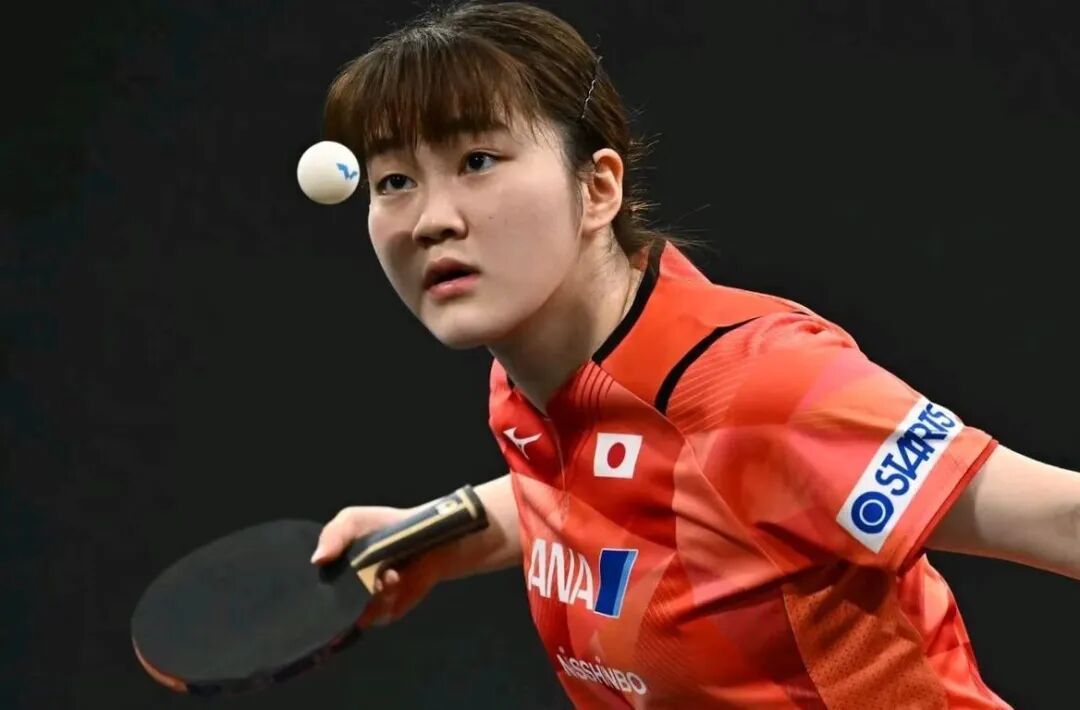
Japan’s core women’s line-up is now fairly fixed. Miwa Harimoto sits firmly in the world top three and is Japan’s absolute centerpiece, competing in top events year-round and often performing impressively against China’s main players; Hina Hayata, technically all-round and consistent, is the team’s stable output point.
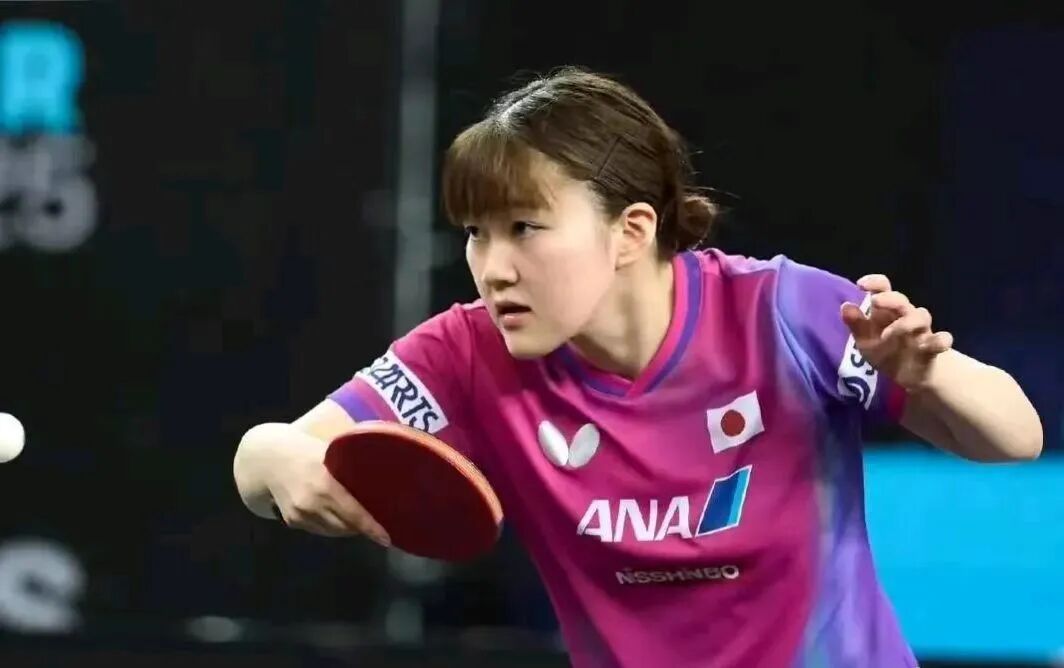
On top of that, internal competition within Japan’s women’s team is fierce, with nine Japanese players inside the world top 30, which further squeezes Odo’s room to rise.
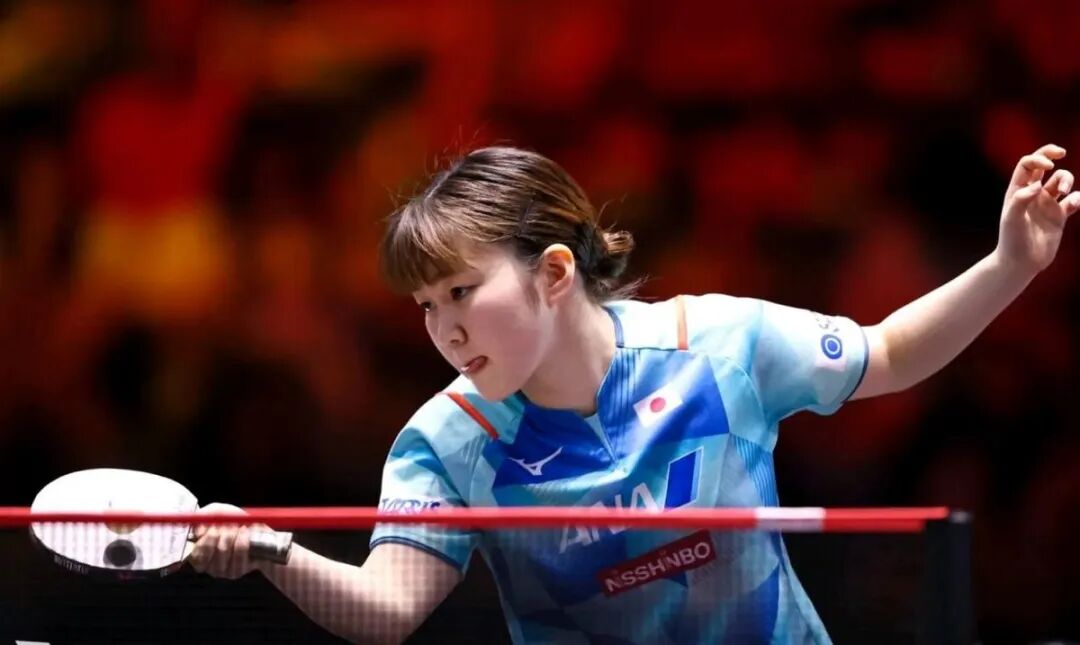
There is no denying that, at 22, Odo is in the golden rising phase of a table tennis player’s career, with increasingly mature technique, a steadier mindset and unquestionable singles ability. But to truly break into Japan’s core group, she still needs to produce standout results at the highest-grade WTT events.

Original report by Li Long, Ping Pang Wang