Japan Unveils Its LA 2028 Olympic Selection Plan, With Clear Medal Ambitions: A Detailed Breakdown
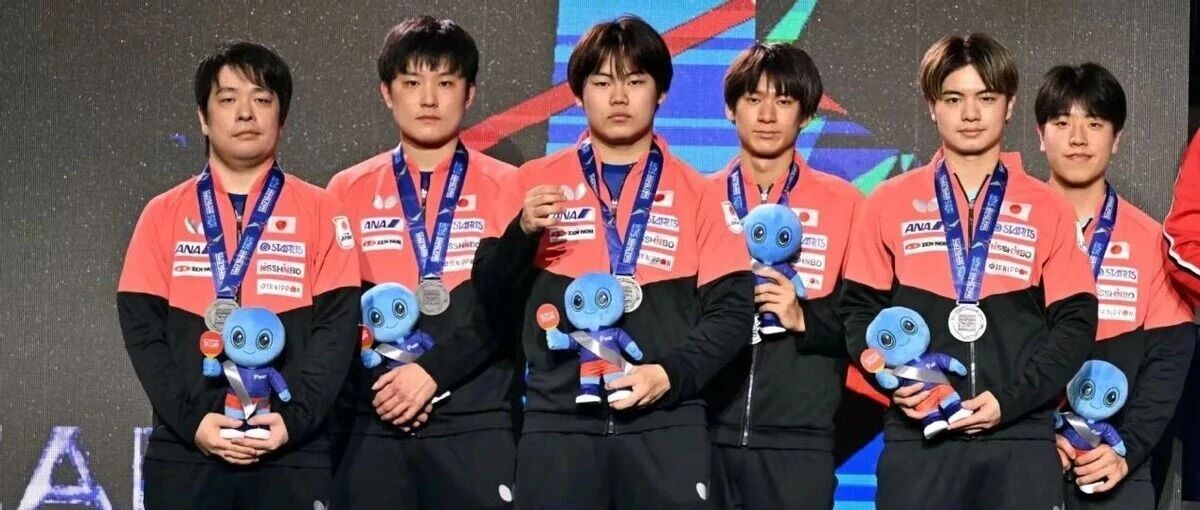
Japan Unveils Its LA 2028 Olympic Selection Plan, With Clear Medal Ambitions: A Detailed Breakdown
On June 8, the Japan Table Tennis Association officially announced its national-team selection criteria for the table tennis events at the 2028 Los Angeles Olympics. With more than two years still to go before the Games open (July 14, 2028), it is clear how much importance the association attaches to this Olympic table tennis competition.
1. Men’s and Women’s Singles (one selection rule)
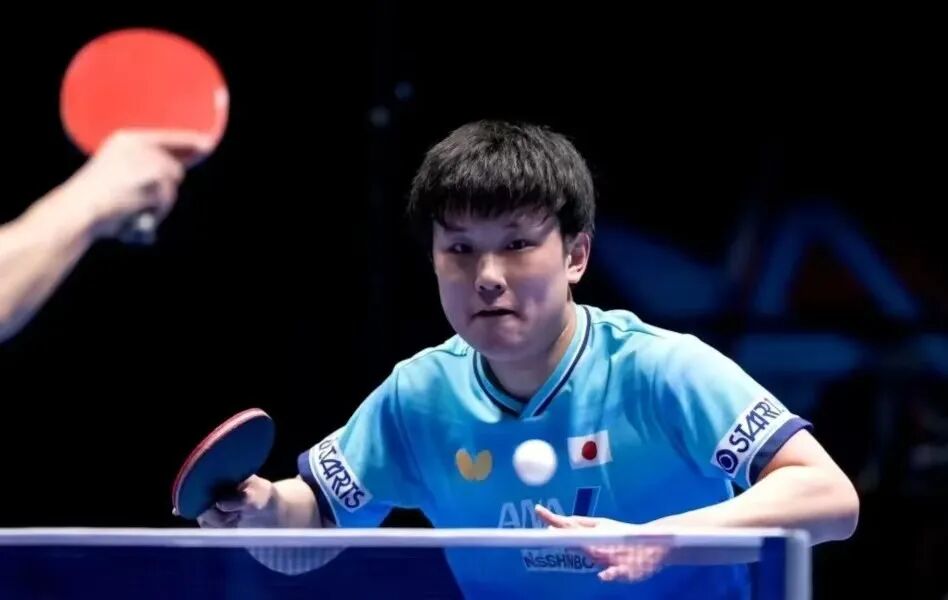
Original text: In the ITTF singles world rankings published on Monday, January 3, 2028, the two highest-ranked Japanese players are selected directly for the Olympic singles line-up.
This is the simplest, most direct and least controversial core rule in the whole framework, and it has always been the core logic of Japan’s Olympic singles selection.
The LA Olympic table tennis rules clearly state that each participating association may send at most two players each in men’s and women’s singles, and the Japan association locks in its singles spots by taking its top two on the ITTF rankings.
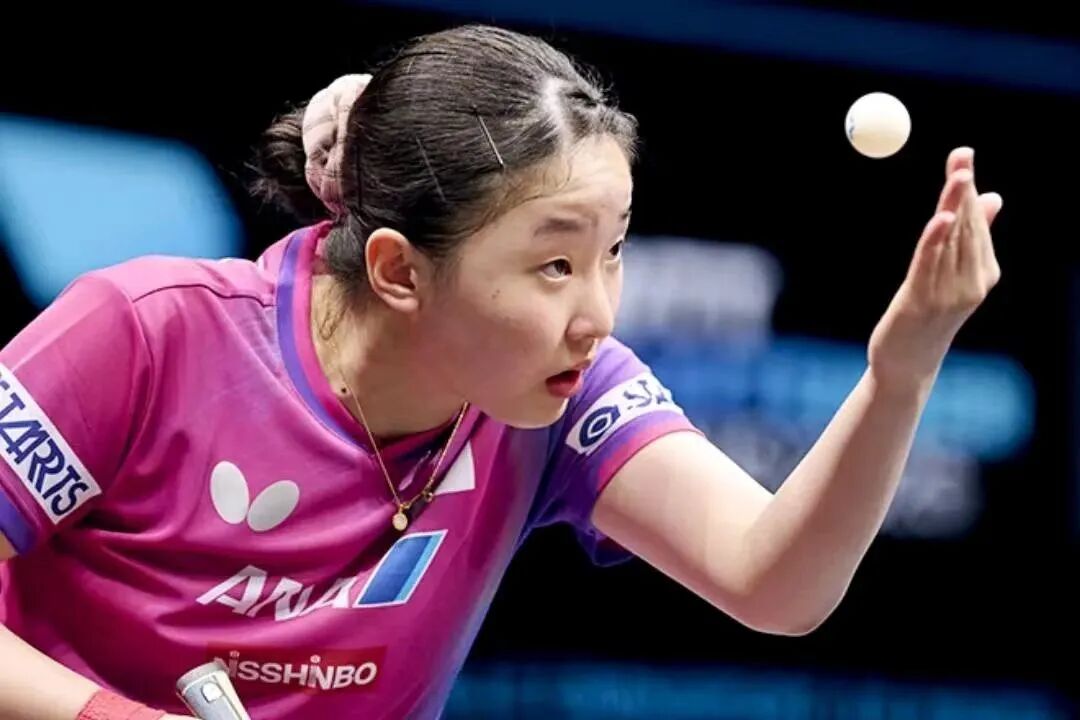
2. Mixed Team (two selection rules)
Original text: First, confirm the two men’s and two women’s singles players selected in section 1 above; second, the third player will be finalized within one week after the conclusion of the senior division of the 2028 All-Japan Table Tennis Championships, decided through a comprehensive assessment by the national team’s strengthening headquarters. Selection standard: that the player is judged to have a high level of international competitiveness in both the singles and doubles of the mixed team event.
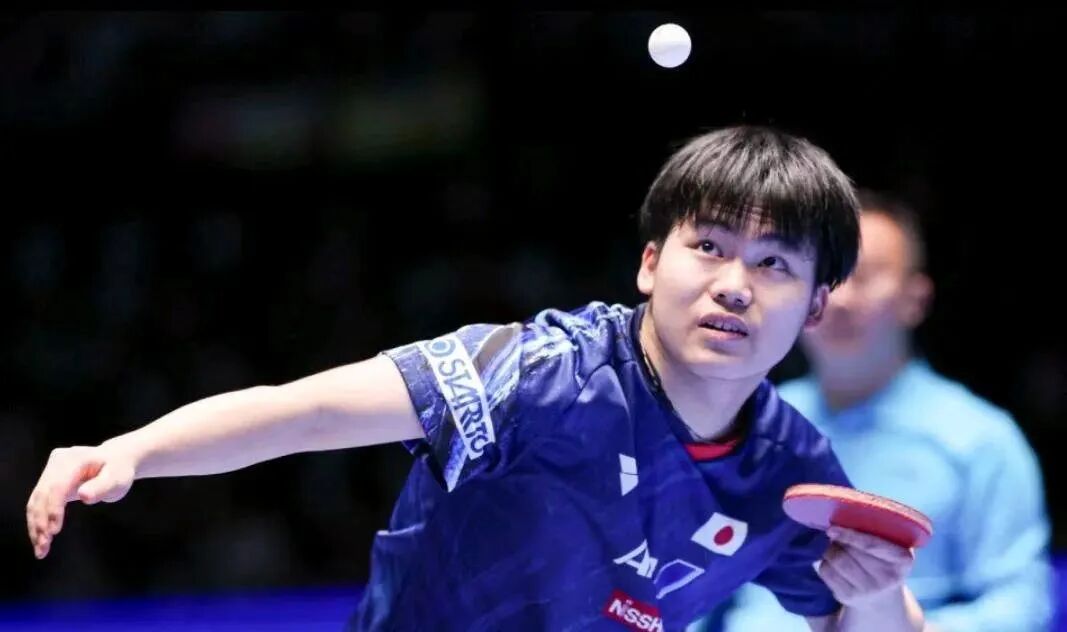
Team selection uses a model of two guaranteed spots plus one contested spot, and the logic is very clear. The first two team spots go directly to the Olympic singles players, the core reason being that a player who can reach the world’s top two is, in himself, an expression of all-round ability and needs no second screening.
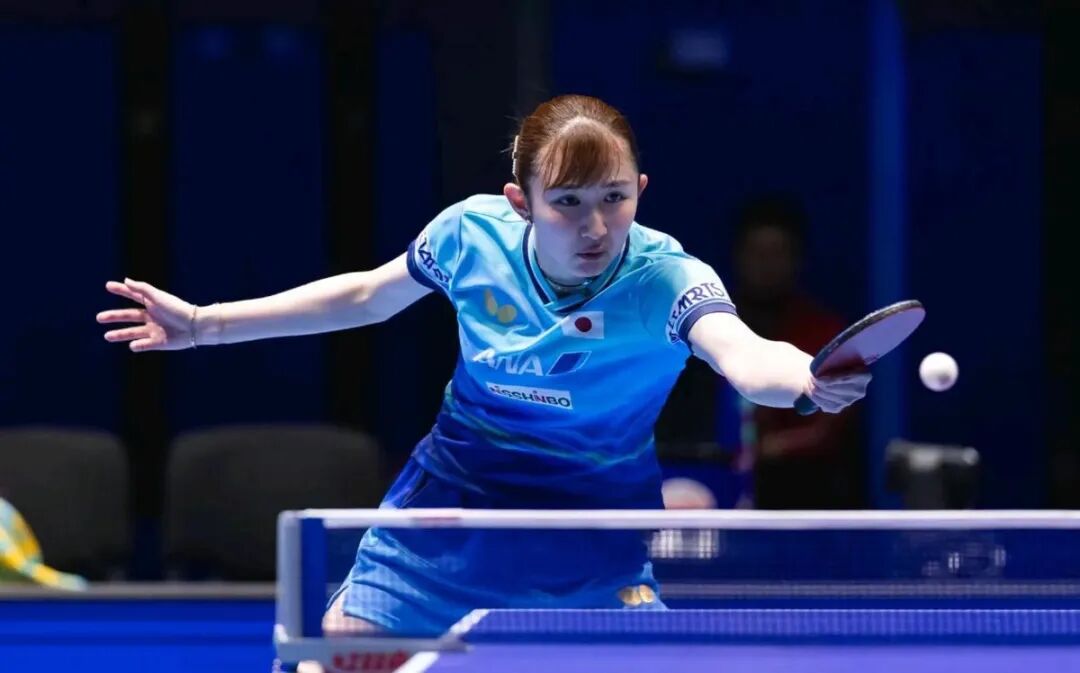
The selection event is fixed as the All-Japan senior championships, the event that represents the highest level of domestic table tennis in Japan. The selecting body is the national team’s strengthening headquarters rather than a single head coach, so it is a team-based comprehensive assessment, reducing individual subjective bias.
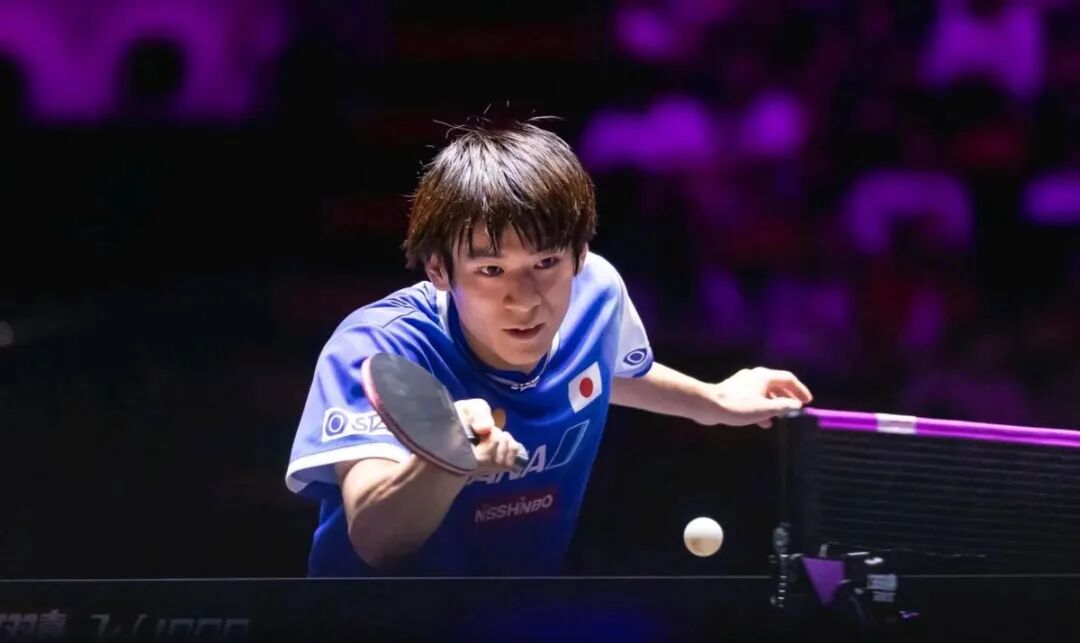
In the Olympic mixed team event, every player must play both singles and partner up for doubles; there are no pure singles players or pure doubles players, which means a lopsided specialist will fall behind in the competition.
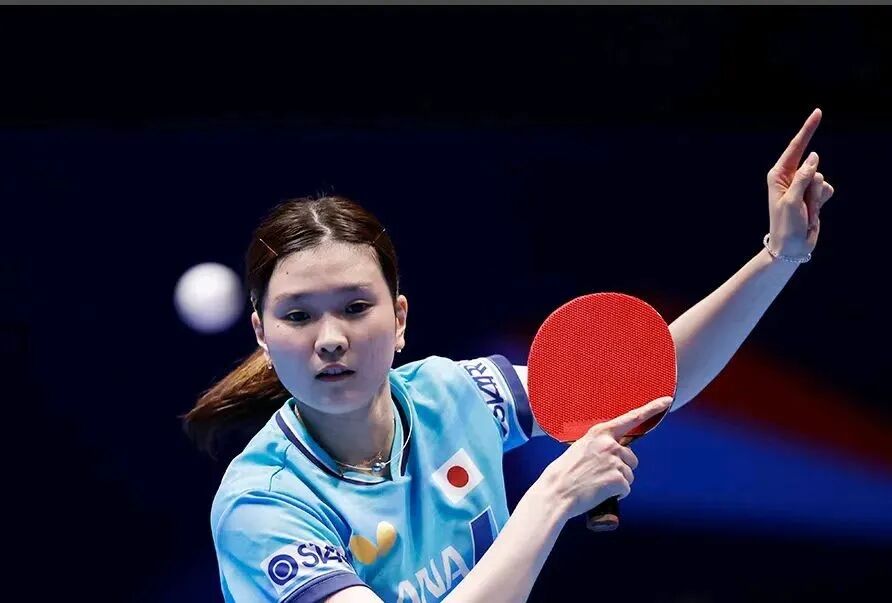
3. Men’s Doubles, Women’s Doubles and Mixed Doubles (one selection rule)
Original text: If Japan secures entry to each doubles event through the various Olympic qualifying stages (continental qualification, world qualification, world-ranking quotas, final allocation), the doubles places belong to the National Olympic Committee rather than to the individual players. The strengthening headquarters will select, from the team candidates chosen in section 2, the single most internationally competitive pair for each event as the doubles candidate.
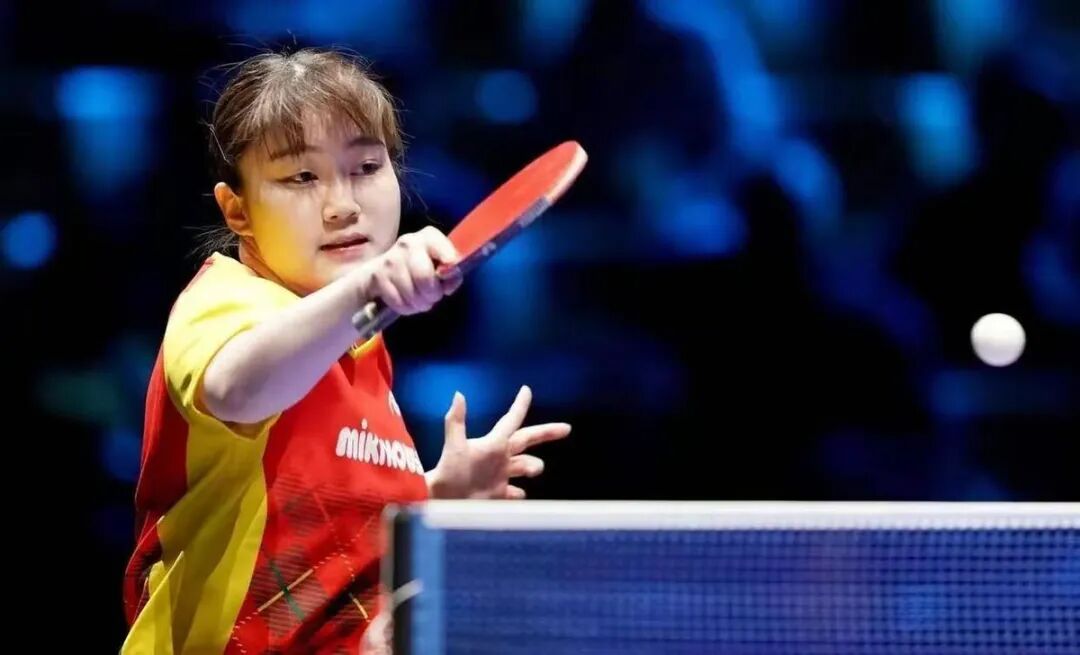
Supplementary rule for mixed doubles places: at the point of final allocation on May 22, 2028, if a participating association has two mixed doubles pairs ranked in the world’s top 8 and all four of those players are included in the mixed team candidate list, that association may enter up to two mixed doubles pairs.
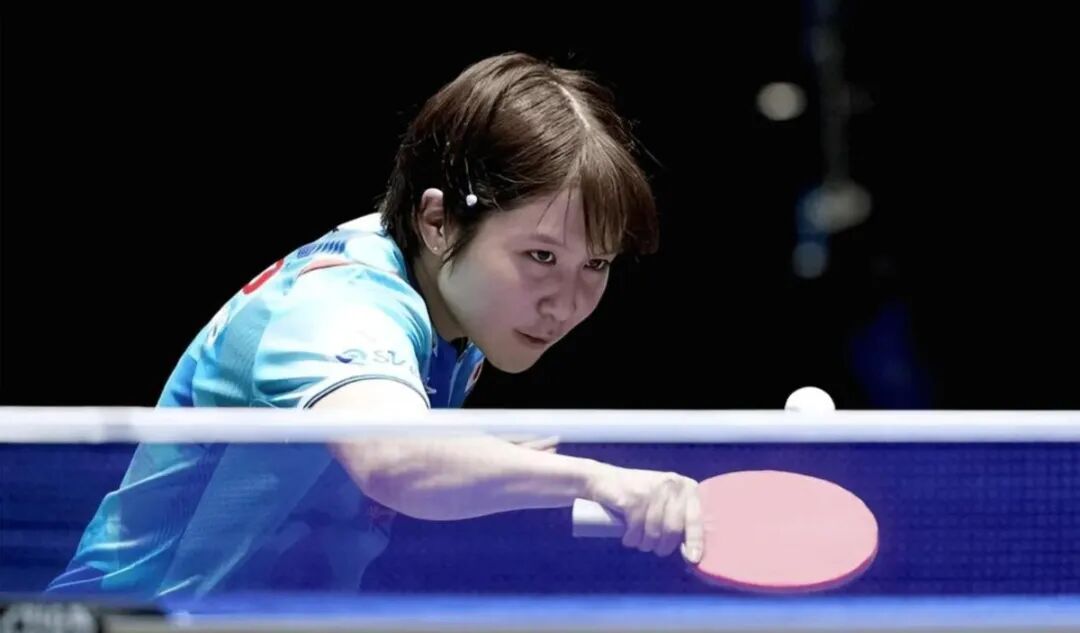
If Japan meets this condition, the second mixed doubles pair will be chosen by the strengthening headquarters from the six mixed team candidates, excluding the first pair selected in section 3 above.
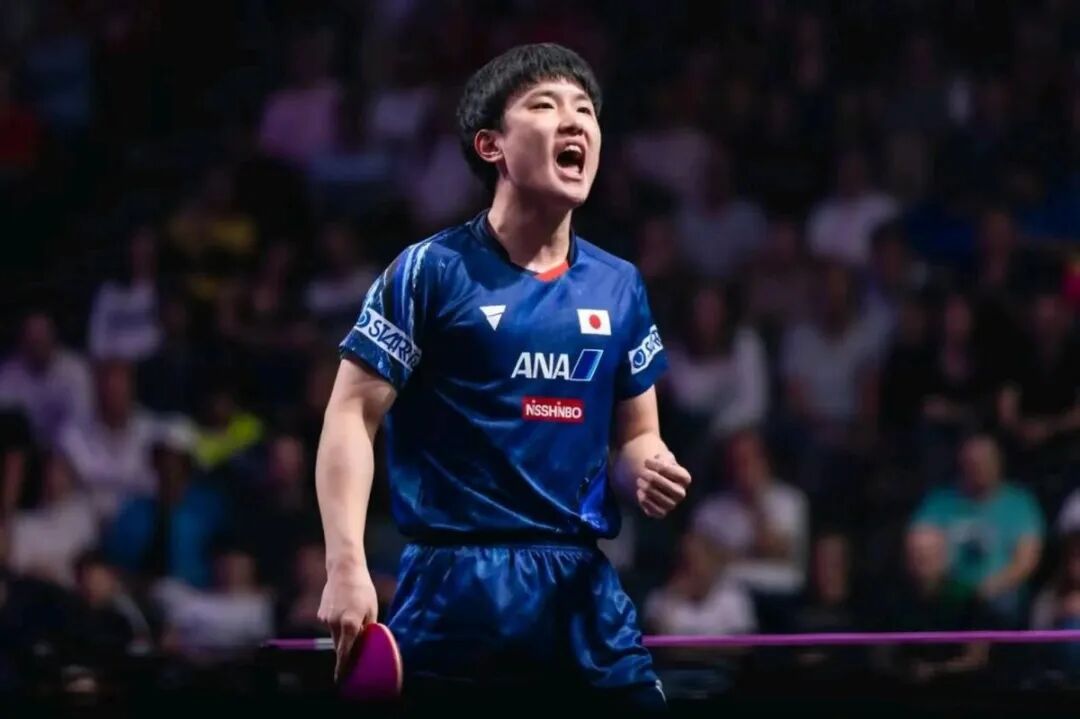
Olympic doubles places belong to the nation, not to individuals, and many fans mistakenly assume a high-ranked player automatically locks in a doubles spot. The rule is clear: all doubles entries are won by the nation through qualifying, and who partners whom and who plays is ultimately decided by the national team.
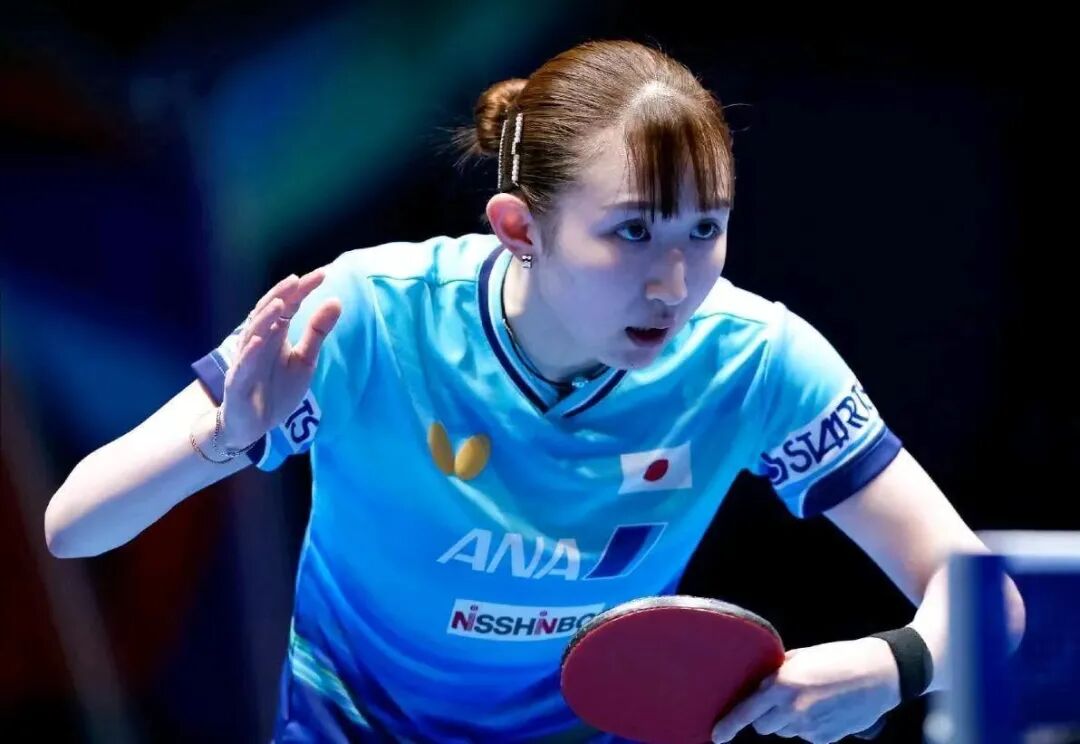
The Japan association has specifically refined the rules for choosing the second mixed doubles pair: the first ace mixed pair is the team’s top combination and locks in its place first; the second pair must be assembled from the remaining team members not selected for the first mixed pair, prioritizing the best new combination by ranking, chemistry and form.
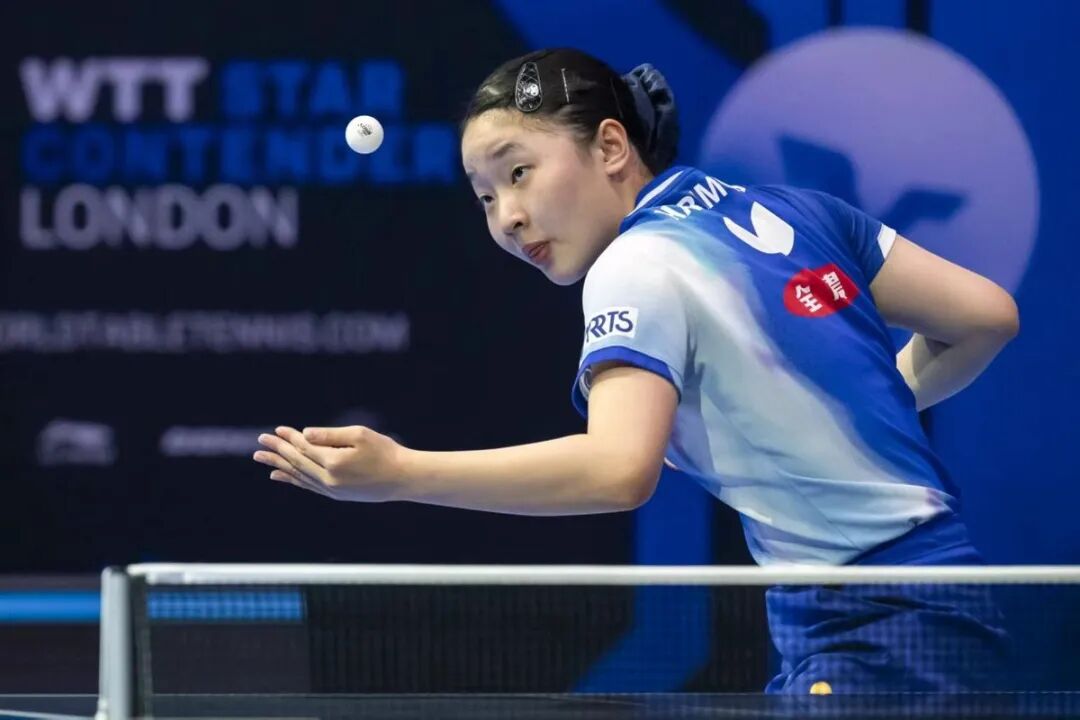
This rule has strong strategic meaning: Japan is making mixed doubles a focus, trying to raise its chances of contending for gold and silver through a two-pair set-up, while internal competition between the pairs forces all the main players to sharpen their doubles ability.
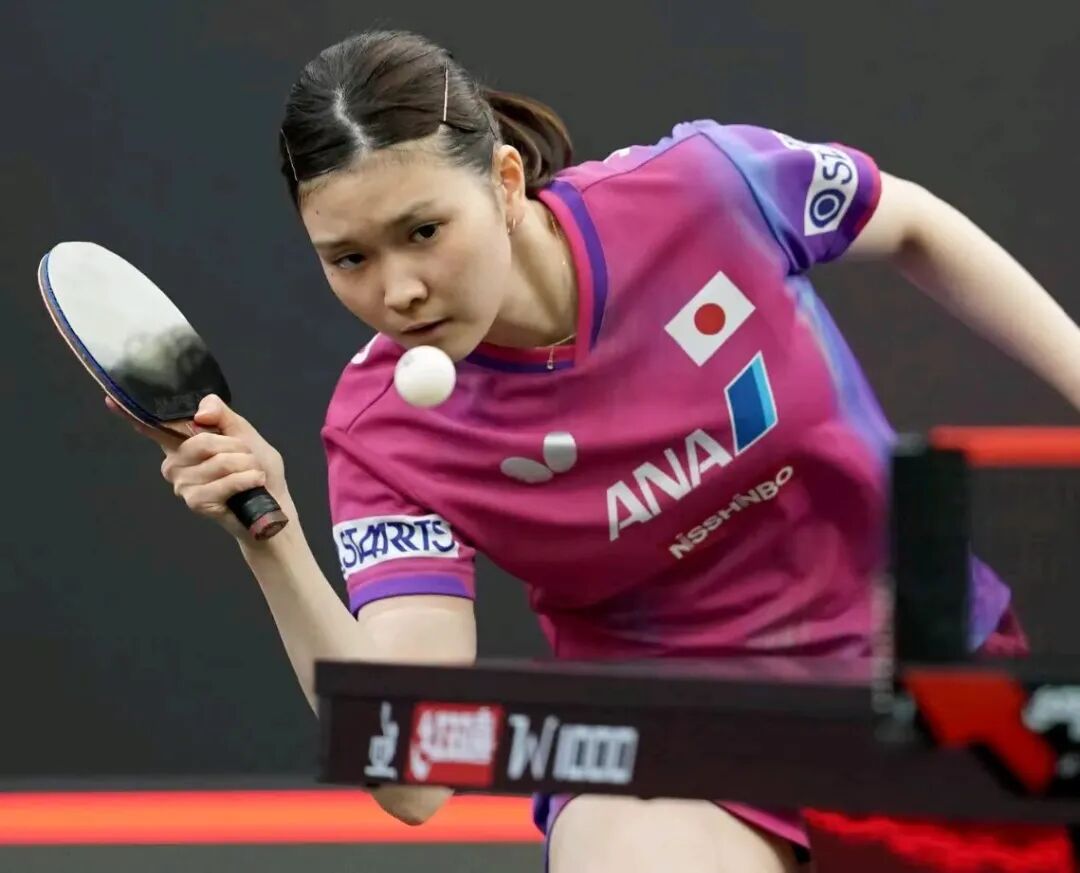
4. Men’s and Women’s P-Card Reserves (one selection rule)
Original text: A reserve player may not be one of the team candidates selected in section 2 above, and is to be chosen by the strengthening headquarters: judged to have extremely strong international competitiveness in both singles and doubles and able to provide key support to Japan’s bid for a team medal, with one man and one woman designated as P-card holders.
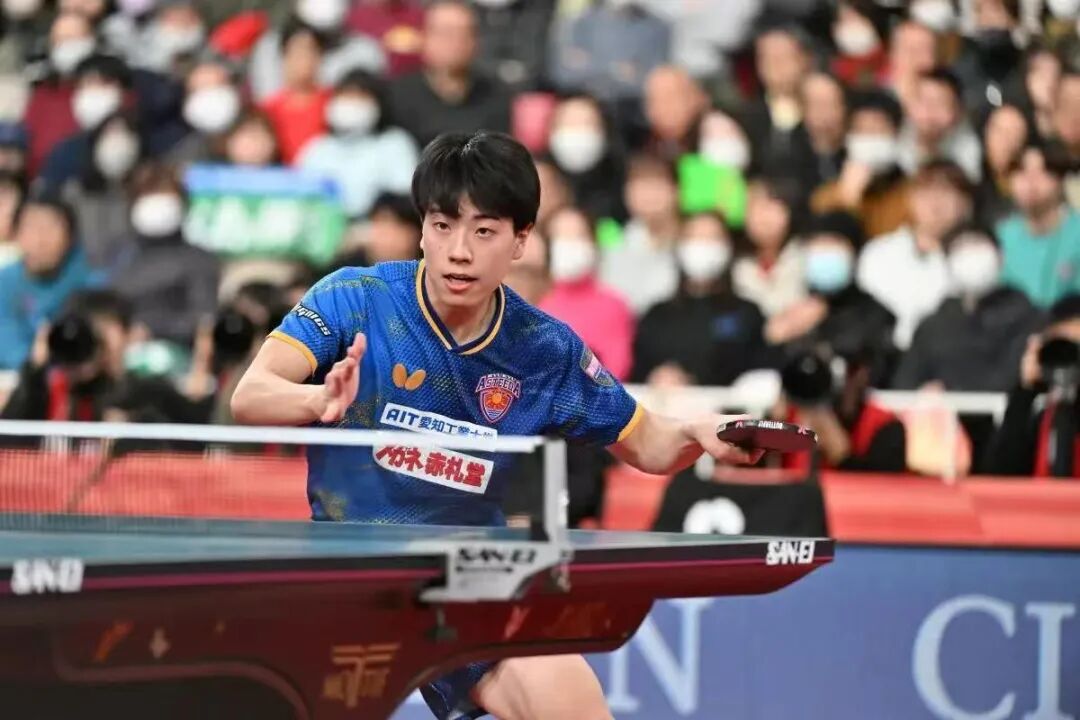
The P-card is the Olympic reserve place, a substitute exclusive to the team event. In official competition, if a main player suffers an injury, a sudden illness, or is unable to compete due to a rules violation or other special circumstance, the P-card player may come on to take part in the team event, but cannot play singles or doubles.
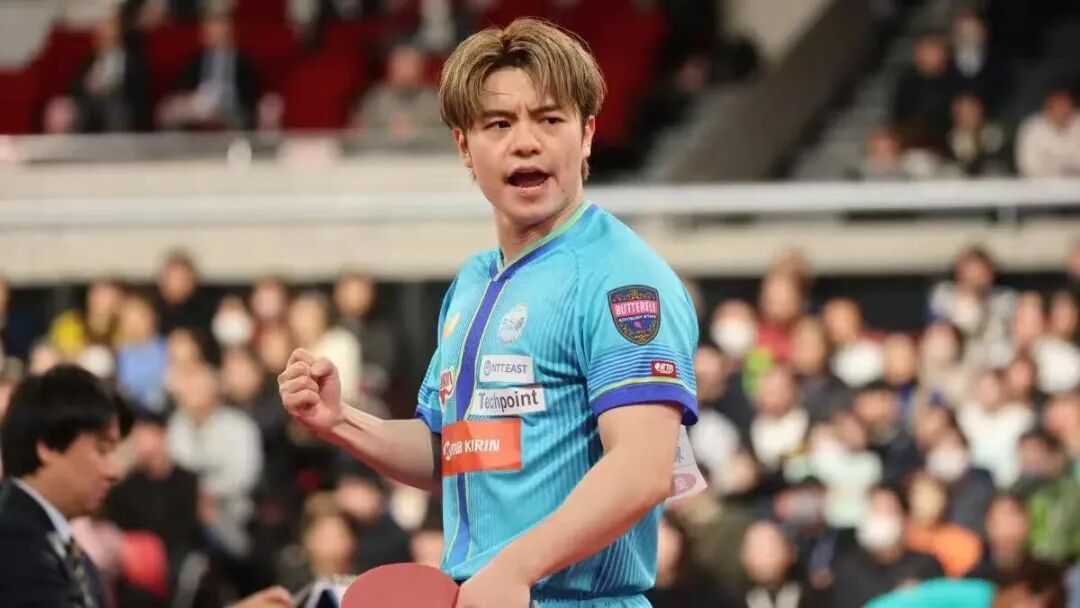
From a preparation standpoint, this rule gives Japan’s No. 5 to No. 8 ranked players something to sprint for. Players without a singles or team place can still aim for a P-card spot, serving as the team’s backup within the Olympic preparation system while also gaining major-event experience and storing up energy for the next Olympic cycle.
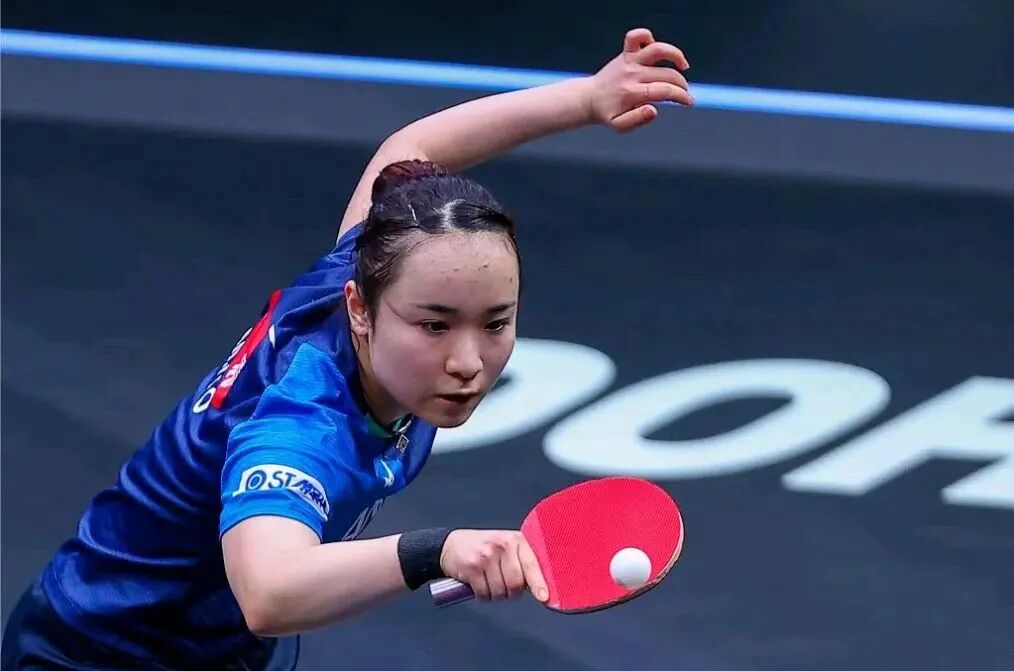
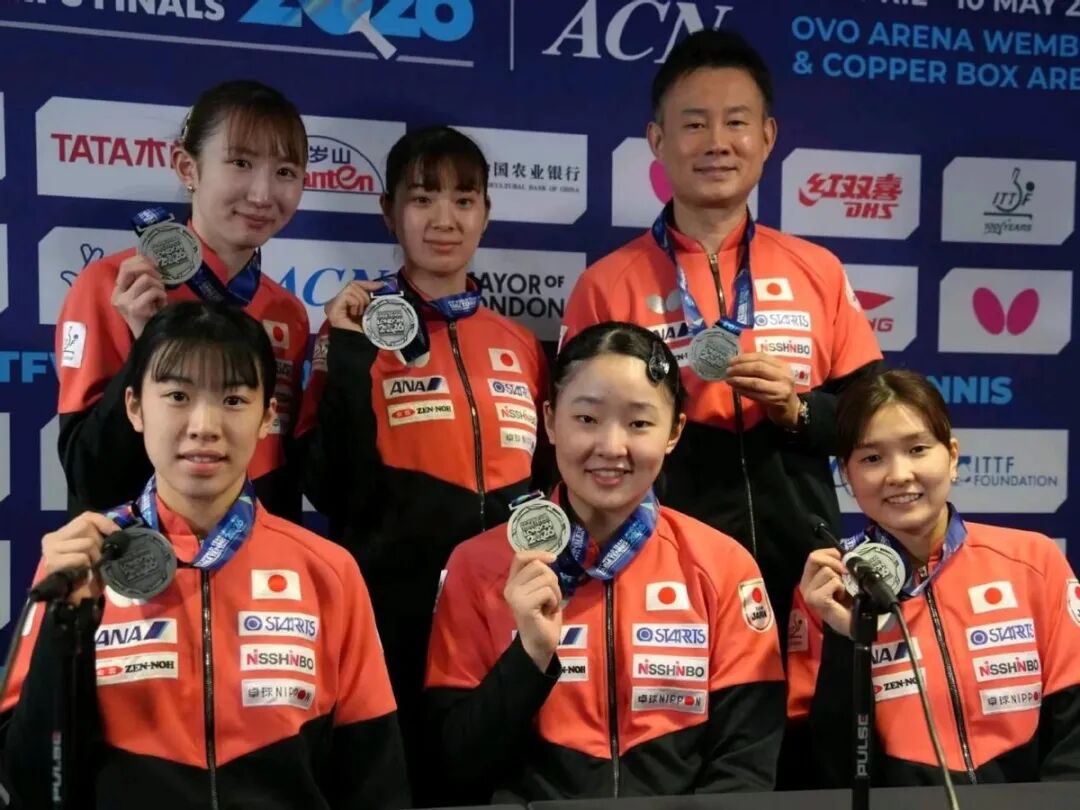
Judging by the team event at the London Worlds, Japan is China’s main rival at the LA Olympics. This set of selection criteria also helps us keep timely track of Japan’s situation, lock in specific players in good time and carry out targeted training.
Original report by Li Long, Ping Pang Wang