Nittaku Fastarc C-1 vs Xiom Vega Europe: Which Should You Buy?
| Nittaku Fastarc C-1 | Xiom Vega Europe | |
|---|---|---|
| Our rating | 8.4/10 | 8.0/10 |
| best_side | backhand or allround | BH |
| control | high | 9 |
| speed | 15.25 (Nittaku scale) | 7 |
| spin | 12.25 (Nittaku scale) | 8 |
| sponge_hardness | 45 degrees | around 47.5 degrees (soft, listed near 42.5 ESN) |
| type | inverted / tensor | inverted |
| weight_uncut_g | approx 47 g (157 x 150 mm sheet) | 60 |
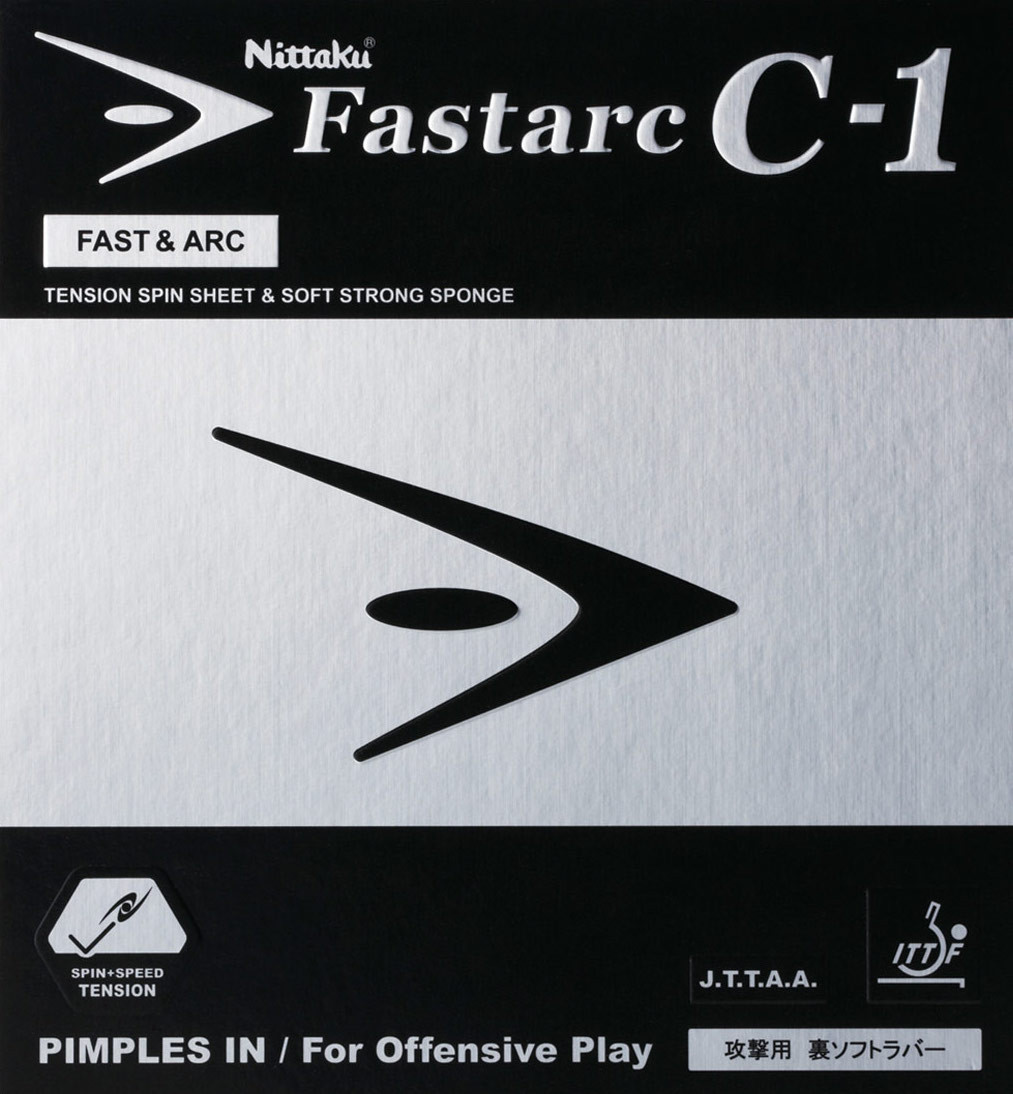
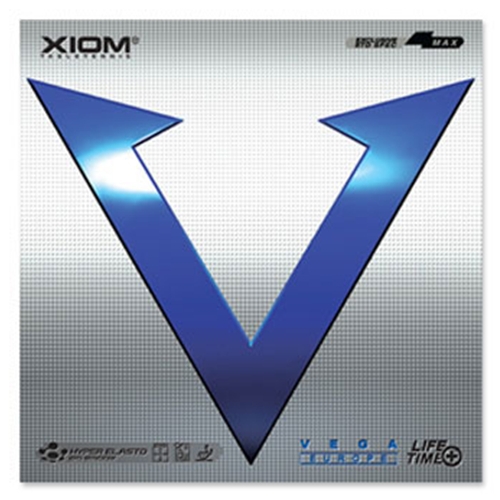
We may earn a commission from links on this page. Learn more.
The Control Score Is (Almost) a Myth
Xiom Vega Europe markets itself around control, exceptional, beginner-friendly control across the whole game is the first pro on its own list. So it is worth pointing out plainly: on the aggregated data here, its control score is 9.1, barely behind Nittaku Fastarc C-1’s 9.2. A 0.1-point gap is noise, not a real advantage for either rubber. If you were choosing based on which one controls the ball better, the honest answer is neither, they are functionally tied on that specific axis, despite very different reputations and price points.
Where the Real Gaps Are: Durability and Ceiling
The two axes that actually separate these rubbers are durability and top-end performance ceiling. Durability: C-1 scores 8.4, Vega Europe scores 6.8, a 1.6-point gap. Speed and spin both lean toward C-1 too, by 0.3 and 0.2 points respectively, small individually, but they stack in the same direction. None of that contradicts Vega Europe’s own review, which openly lists average speed and spin compared with modern tensors and lacks top gears to hit high-quality finishing shots as cons. Vega Europe is not trying to win a speed-and-spin fight with a premium tensor like C-1, it is not built to.
Throw and the Serve-Return Angle
Throw favors C-1 by 0.7 (5.4 vs 4.7), and that lines up with Vega Europe’s description as spin insensitive, which its own review calls out as a real practical benefit: it makes receiving serves easier because the rubber does not react as violently to spin it did not generate itself. That is a genuinely useful, non-obvious property for players still learning to read serves, a lower-throw, spin-insensitive rubber gives you a bigger margin for misreading spin on the return, at the cost of the higher ceiling C-1 offers once you can read spin reliably.
Tackiness Is a Genuine Tie
Tackiness sits at 2.0 for C-1 and 1.9 for Vega Europe, a 0.1 gap, effectively identical. Neither rubber behaves like a tacky Chinese-style sheet; both are grip-through-friction European and Asian tensor-style surfaces, and any comparison claiming one grips noticeably more than the other on tackiness alone is not supported by this data.
Is This Actually a Choice Between Two Rubbers, or Between Two Price Tiers?
Here is the honest framing: this comparison is less which rubber is better and more which price tier and skill level are you in right now. Vega Europe’s own recommendation explicitly targets beginner and intermediate all-round players who want maximum control, stability and consistency at a low price, and anyone building reliable strokes before moving to faster tensors. C-1 targets intermediate to advanced offensive players who loop heavily. These are largely sequential rubbers in a player’s development, not rival options for the same player at the same time.
Should You Switch?
If you are currently on Vega Europe and finding its average speed and spin and lack of top gears limiting in matches, moving to C-1 is a reasonable step up, you will trade some of Vega Europe’s serve-return forgiveness and durability-adjusted value for real headroom on speed, spin, and durability. If you are on C-1 and finding it demanding, it needs active strokes and does not generate free spin passively, dropping to Vega Europe buys you an easier, more stable rubber for less money, with control that, per this data, will not actually feel meaningfully worse.
Who Each One Fits
Vega Europe fits beginners and control-focused intermediates who want a comfortable, forgiving, low-cost rubber that is easy to receive serves with. C-1 fits intermediate-to-advanced loopers who have outgrown easy and want a rubber with real speed, spin, and durability headroom. The 0.1-point control gap tells you these two are closer in feel than their price tags suggest, but the 1.6-point durability gap and the ceiling difference tell you why one costs more than the other.
Frequently asked questions
Is Xiom Vega Europe as good for control as Nittaku Fastarc C-1?
Almost exactly, 9.1 versus 9.2 on the control axis, a difference too small to matter in practice, despite Vega Europe's marketing leaning heavily on control.
What is the real difference between these two rubbers?
Durability (1.6 points in C-1's favor) and top-end speed and spin ceiling, not control. Vega Europe's own review lists limited top gears as a known weakness.
Is Vega Europe good for reading serves?
Yes, its spin-insensitive surface is specifically noted as making serve returns easier, which is a genuine advantage for players still learning to read spin.
Should a beginner buy Nittaku Fastarc C-1 instead of Vega Europe?
Not usually. C-1 is aimed at intermediate-to-advanced loopers and needs active strokes to perform; Vega Europe is the more forgiving, lower-cost option built for players still developing their strokes.