Nittaku Fastarc C-1 vs Tibhar Evolution EL-P: Which Should You Buy?
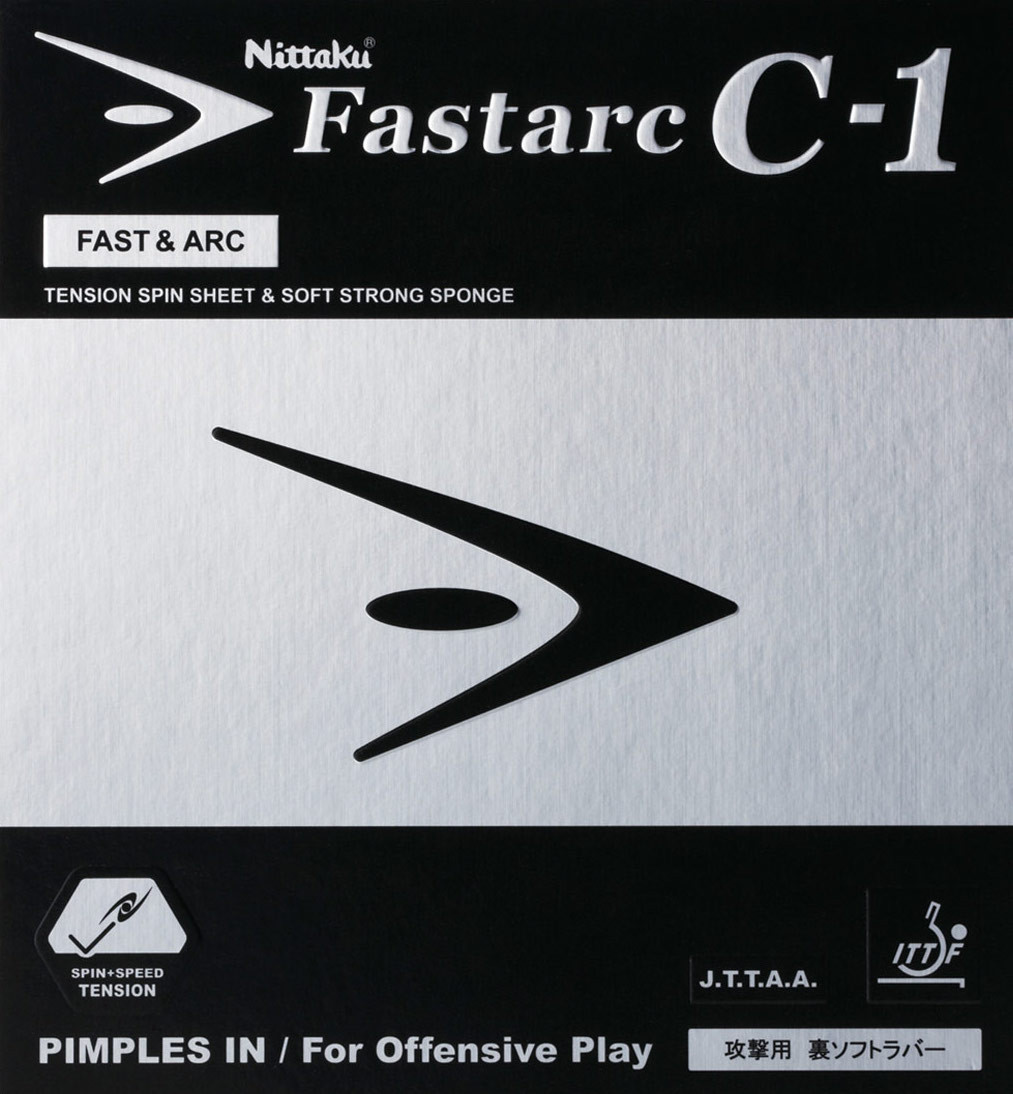
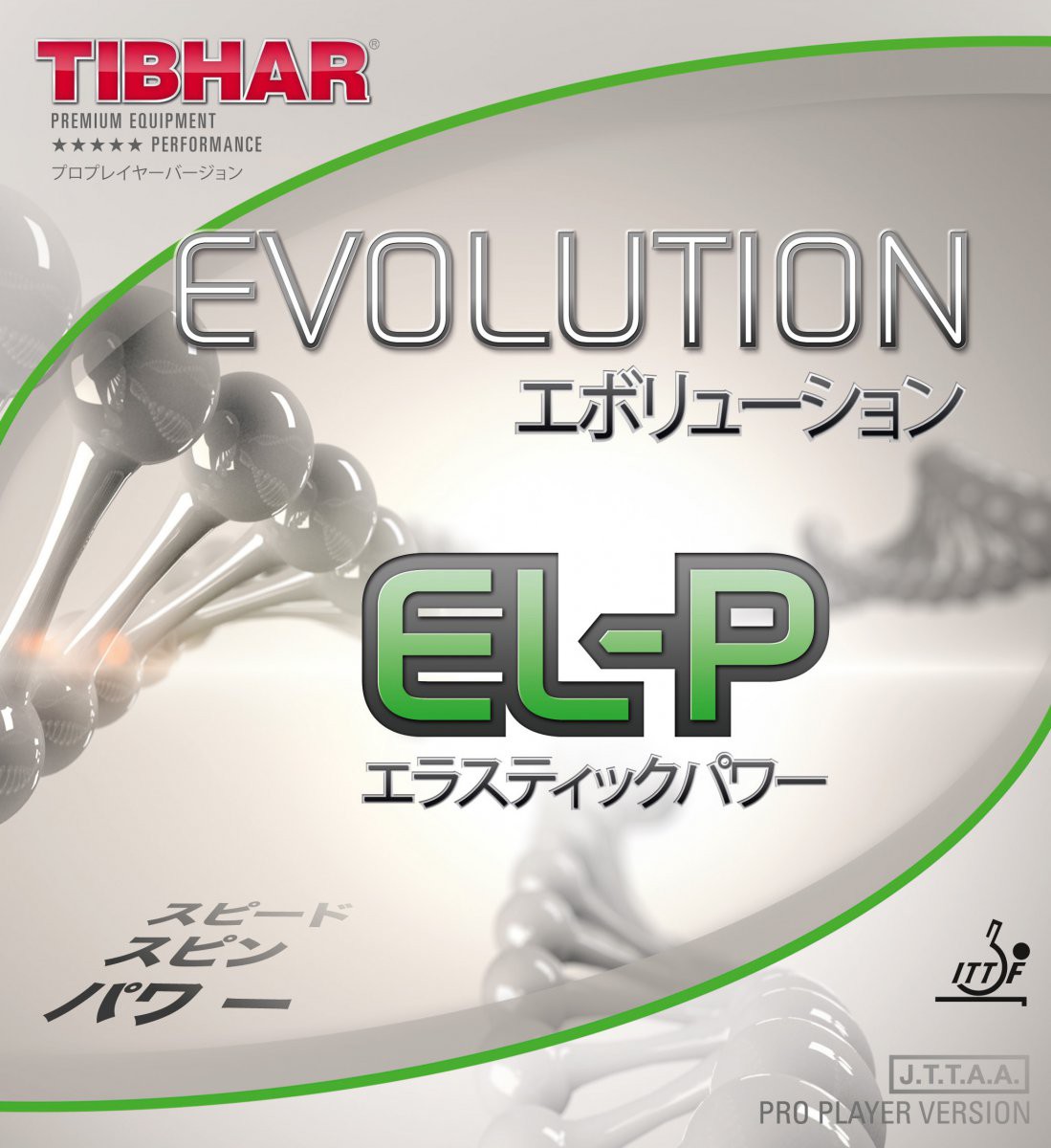
| Nittaku Fastarc C-1 | Tibhar Evolution EL-P | |
|---|---|---|
| Our rating | 8.4/10 | 8.4/10 |
| best_side | backhand or allround | both |
| control | high | medium-high |
| speed | 15.25 (Nittaku scale) | high |
| spin | 12.25 (Nittaku scale) | high |
| sponge_hardness | 45 degrees | 43.5 (ESN), about 35 Shore A |
| type | inverted / tensor | tensor inverted |
| weight_uncut_g | approx 47 g (157 x 150 mm sheet) | 68 |
We may earn a commission from links on this page. Learn more.
Same overall rating, different rubber entirely
Both rubbers rate 8.4 overall, and it would be easy to assume that means they’re interchangeable. The axis data says otherwise on one specific dimension: speed. C-1 rates 9.0 against EL-P’s 7.9, a 1.1-point gap, the clearest, most decision-relevant difference in this pair. Nearly everything else is close enough to be noise.
Speed is the real story; spin is a non-issue
That 1.1-point speed gap is large enough to feel on the table; C-1 is a genuinely faster rubber for flat hitting and finishing loops. But do not let anyone tell you C-1 is also the spinnier rubber: spin comes in at 9.1 for C-1 versus 9.2 for EL-P, a 0.1-point gap that is functionally a tie. If spin generation is your top priority, these two rubbers give you essentially the same ceiling; the decision has to be made on other grounds. Control is similarly close, 9.2 versus 8.8, a 0.4-point edge to C-1, real but modest, not something that will make EL-P feel loose.
Throw and durability, the second-tier differences
Throw shows a 0.9-point gap, 5.4 for C-1 versus 4.5 for EL-P, with C-1 having the slightly higher arc, modest by comparison to the 3.1-point throw gap in the C-1-versus-G-1 pairing elsewhere in this lineup, but still worth knowing if arc against backspin is a concern. Durability is close, 8.4 versus 8.1, a 0.3-point gap that shouldn’t factor into a purchase decision on its own. Tackiness differs by 0.5 (2.0 vs 2.5), both landing in the low-tack tensor category rather than the tacky Chinese-rubber range.
What the sources say
Revspin, MyTableTennis.NET, TableTennisDaily, and Megaspin’s coverage of C-1 consistently frame it as strong value against premium options like Tenergy 64 or 80, forgiving with a high arc and effortless passive blocking. On the EL-P side, Revspin’s own dedicated rubber page, Megaspin’s product reviews, TableTennisDaily’s equipment thread, and the Tabletennis11 blog’s Evolution-series roundup all describe it as the balanced middle option in Tibhar’s Evolution line, splitting the difference between the harder MX-P and the softer FX-P, with an important caveat echoed across sources: it loses spin quickly when dusty and needs frequent cleaning, a maintenance factor the axis numbers don’t capture at all.
Migration advice
If you play EL-P and want more finishing speed without giving up meaningful spin, C-1 is a low-risk switch: you gain 1.1 points of speed and a small amount of throw and control, while spin stays essentially the same. The switch makes less sense if you specifically value EL-P’s catapult feel on acceleration or its stated strength on both wings with a slight lean toward backhand use; C-1’s own review summary leans it toward backhand-or-allround rather than a true both-wings rubber.
Going from C-1 to EL-P suits players whose current complaint is a lack of catapult feel or who find C-1 too fast for their blocking game; EL-P’s own strengths list highlights control and blocking that absorbs incoming speed, a different design goal than C-1’s more forgiving, control-first tensor character. Be aware EL-P is also heavier for its hardness, often as heavy as tacky Chinese rubbers per its review summary, so a blade built around a light setup may feel different once EL-P goes on.
Fit and scenario
C-1 suits intermediate-to-advanced loopers who want premium tensor spin with a forgiving arc, especially as a backhand rubber or a control-leaning forehand option. EL-P suits developing and intermediate all-round attackers who prioritize control and easy spin generation over outright speed, playing at or near the table to mid-distance, and who don’t mind cleaning the topsheet more often to keep its spin from fading between matches.
Frequently asked questions
Are Fastarc C-1 and Evolution EL-P basically the same rubber?
They share an 8.4 overall rating, but C-1 is 1.1 points faster (9.0 vs 7.9) while spin is essentially tied at 9.1 versus 9.2.
Which rubber spins more?
Neither meaningfully. The 0.1-point spin gap is within noise; pick based on speed and feel instead.
Does Evolution EL-P need more maintenance?
Yes, multiple sources note it loses spin quickly when dusty and needs frequent cleaning to keep performing.
Which rubber is better for blocking?
EL-P, per its own review summary, which highlights strong control and blocking that absorbs incoming speed, though pushing and chopping are relative weak points.