Donic Waldner Senso Carbon V1 vs Sanwei V5 Pro: Which Should You Buy?
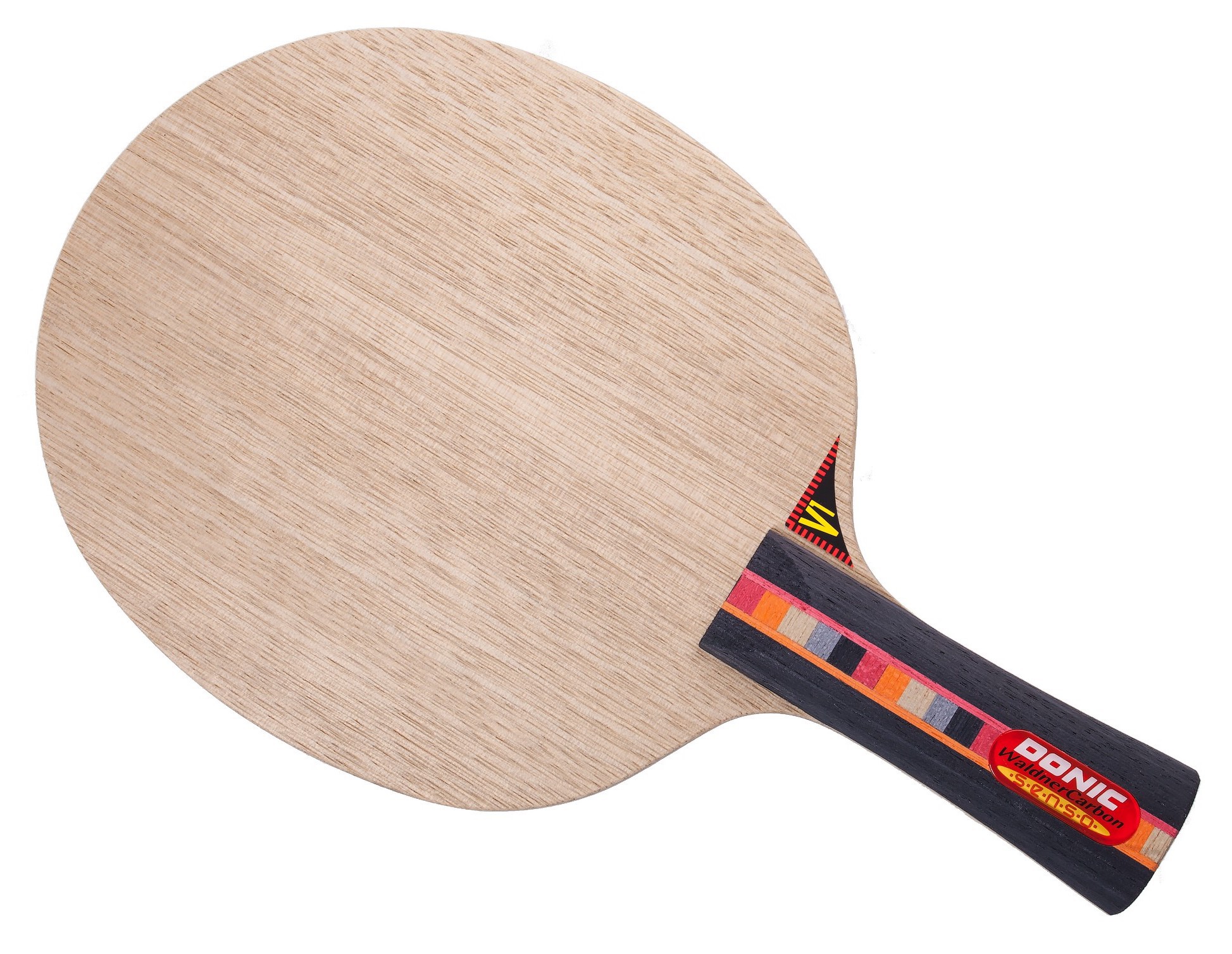
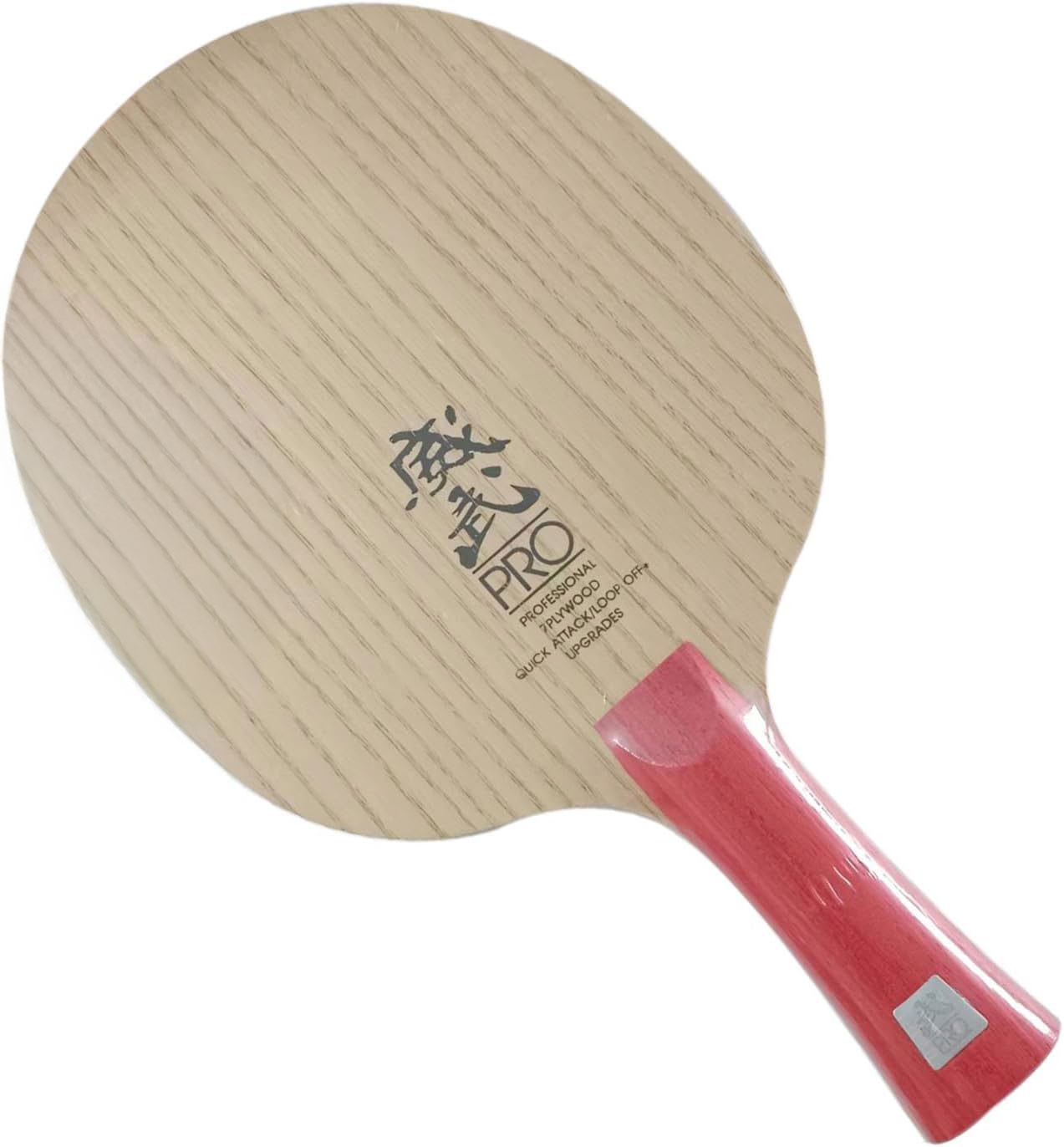
| Donic Waldner Senso Carbon V1 | Sanwei V5 Pro | |
|---|---|---|
| Our rating | 8.2/10 | 8.5/10 |
| feel | Soft woody feel with carbon kick; elastic and spin-friendly; medium-high throw angle | hard, fast, crisp all-wood with strong vibration and a high-pitched ping |
| handle | Senso V1 hollow handle (vibration-damping) — FL, AN, ST options | FL/ST |
| plies | 7 plies: 5 wood (Limba outer, Ayous mid) + 2 carbon composite | 7W (all wood) — ash outer plies over an ayous core |
| speed | OFF- | OFF |
| thickness_mm | 5.6-5.8mm | 6.3 |
| weight_g | 85-87g | 90 |
We may earn a commission from links on this page. Learn more.
The Donic Waldner Senso Carbon V1 (8.2) is a soft, woody 7-ply carbon blade for control and topspin looping. The Sanwei V5 Pro (8.5) is a fast, crisp 7-ply all-wood blade with high-pitched ash-surface impact, strong vibration feedback, and surprising control for the speed. The Donic is softer; V5 Pro is harder and faster.
The V5 Pro offers outstanding value, often compared to blades costing several times more. It’s very spinny and strong for looping. The Donic is carbon-assisted and more controllable at distance. The V5 Pro demands solid technique and punishes imprecise strokes. Choose Donic if you want soft, reliable control; choose V5 Pro if you’re intermediate and want fast, spinny, all-wood pace on a budget.
FAQ
Does V5 Pro play as fast as OFF+ suggests?
No, it plays closer to OFF than the advertised OFF+ rating. Still fast and spinny, but more controlled.
Is V5 Pro’s vibration a good thing?
Yes, it gives clear feedback on shot quality. But if you love soft limbas, the hard ash surface may not appeal.
Which is better for beginners?
Donic—V5 Pro demands solid technique and punishes imprecise strokes.
Can weight and ply consistency vary?
Yes, copy-to-copy variation exists—not all units are identical.