Donic Appelgren Allplay vs Tibhar Samsonov Force Pro Black Edition: Which Should You Buy?
| Donic Appelgren Allplay | Tibhar Samsonov Force Pro Black Edition | |
|---|---|---|
| Our rating | 8.3/10 | 8.2/10 |
| feel | medium, controlled | mild hard, uniform vibration, linear rebound |
| handle | FL/ST/AN | FL / ST |
| plies | 5W (abachi core + limba) | 7-ply all wood (limba-ayous-ayous-ayous-ayous-ayous-limba) |
| speed | ALL | OFF- |
| thickness_mm | 5.8 | 6.6-6.7mm |
| weight_g | 85 | 83-90g (avg ~87g) |
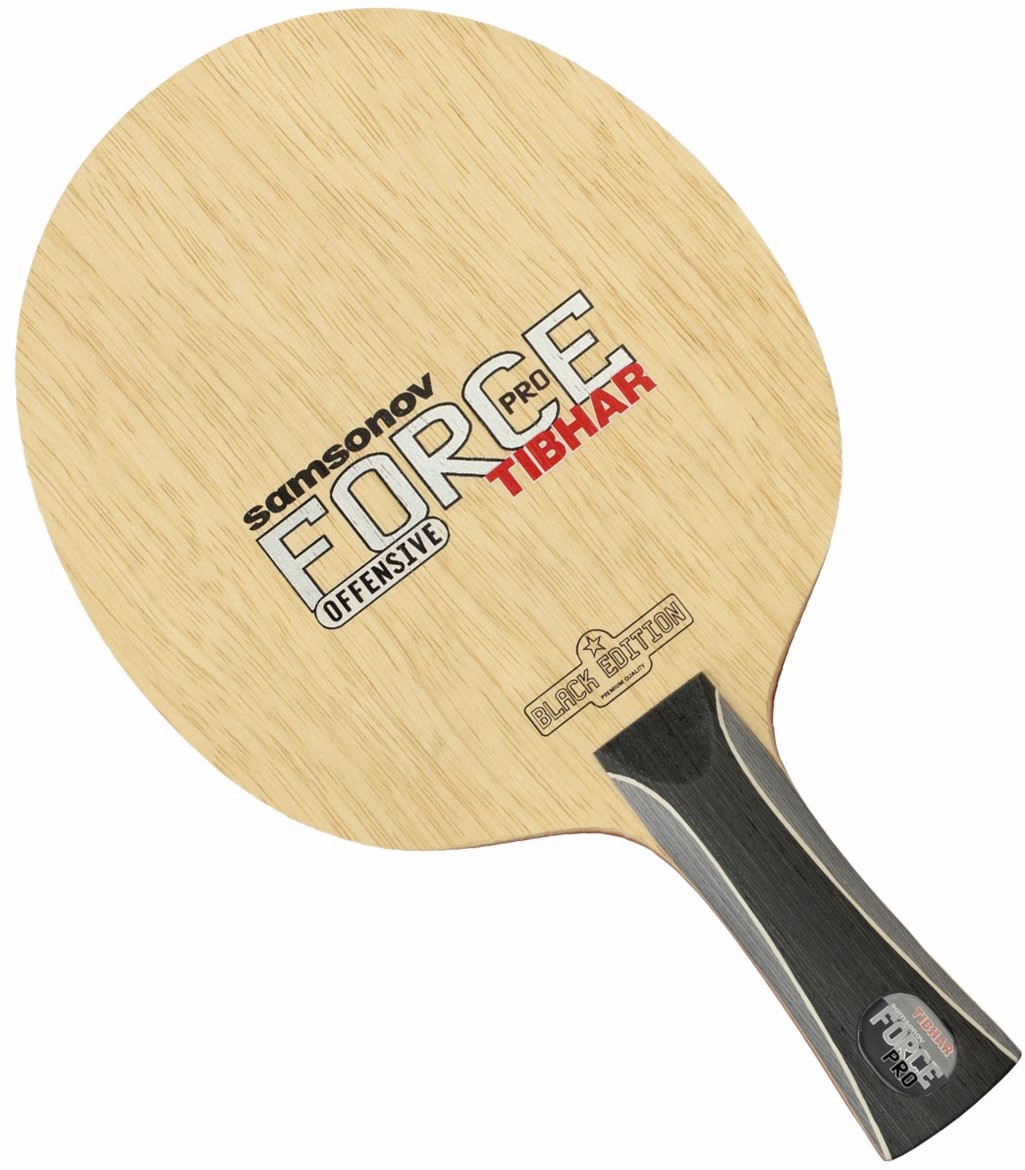
Tibhar Samsonov Force Pro Black Edition
Check price on AmazonRead the full Tibhar Samsonov Force Pro Black Edition review →
We may earn a commission from links on this page. Learn more.
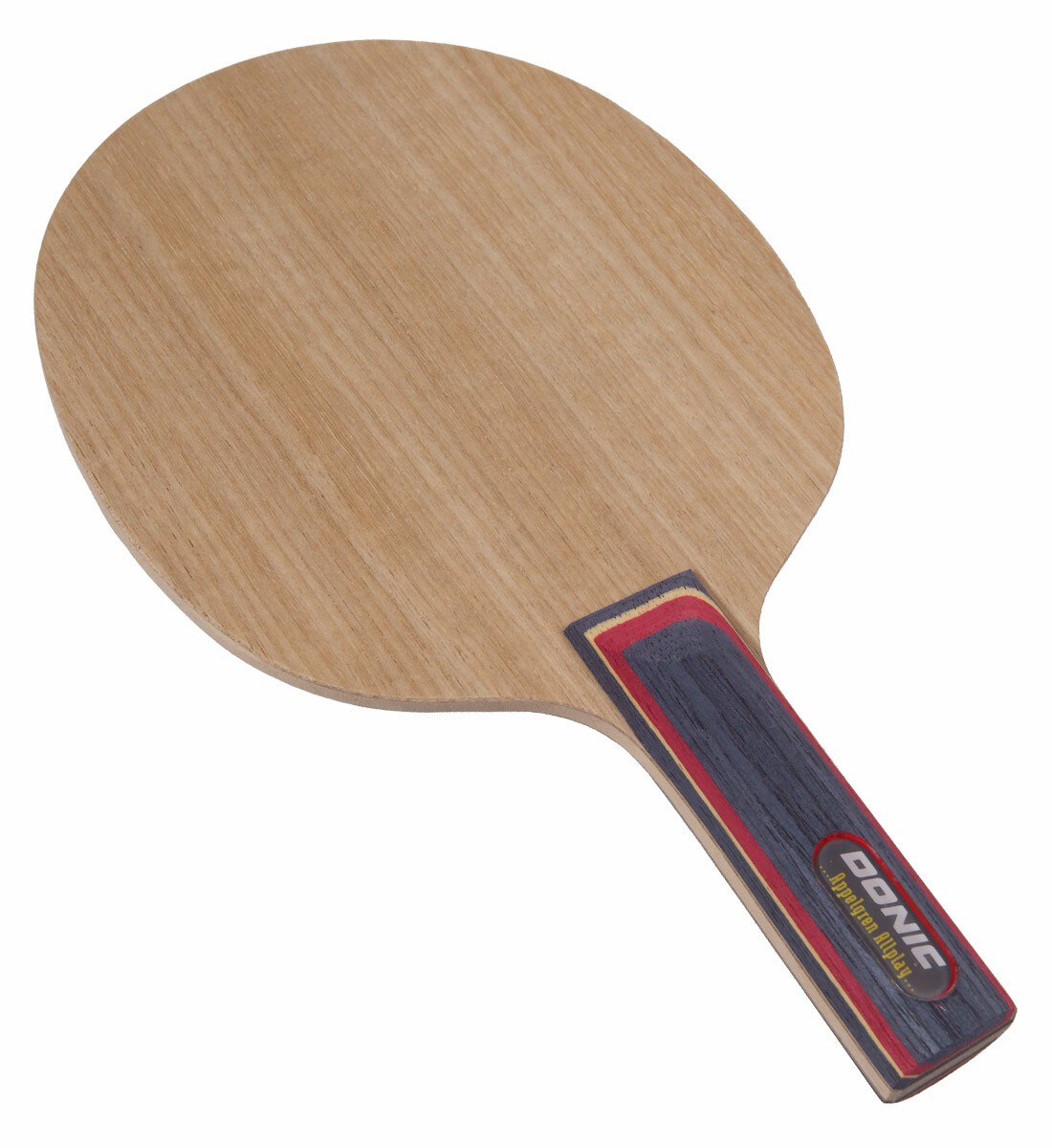
The Donic Allplay and Tibhar Samsonov Force Pro Black Edition target very different experience levels. Allplay is forgiving, medium-speed wood ideal for building fundamentals. High consistency and feedback allow learners to develop stroke mechanics without overwhelming speed.
Force Pro is a thicker, heavier 7-ply all-wood blade designed for intermediate to advanced players seeking offensive performance with woody feel. Its linear, predictable rebound and excellent blocking control make it versatile, but its head-heavy balance demands physical conditioning and proper technique.
FAQ
How many plies do these have?
Allplay has 5 plies with abachi core. Force Pro has 7 plies of all wood for extra mass and stiffness.
Which is faster?
Force Pro at speed class OFF-, versus Allplay at ALL. Force Pro suits players wanting more attacking pace.
Is Force Pro too heavy for developing players?
Yes. Its head-heavy balance and 83-90g weight require arm conditioning and stroke fundamentals first.
Do these work with tensor rubbers?
Allplay is better with non-tension rubbers to preserve control. Force Pro works well with tensor and sticky rubbers.