DHS Hurricane 3 National Blue Sponge vs Tibhar Evolution MX-S: Which Should You Buy?
| DHS Hurricane 3 National Blue Sponge | Tibhar Evolution MX-S | |
|---|---|---|
| Our rating | 8.4/10 | 8.4/10 |
| best_side | Forehand | Forehand |
| control | 70 | High |
| speed | 91 | OFF |
| spin | 98 | Very High (11.5 on Tibhar scale, highest in Evolution range) |
| sponge_hardness | 39-42 degrees (varies by batch; commonly 40 or 41 deg) | around 47.3 degrees (hard) |
| type | Inverted / Tacky | Inverted tensor (ESN) |
| weight_uncut_g | approx 70-73 g uncut | 76 g (2.1-2.2 mm uncut sheet) |
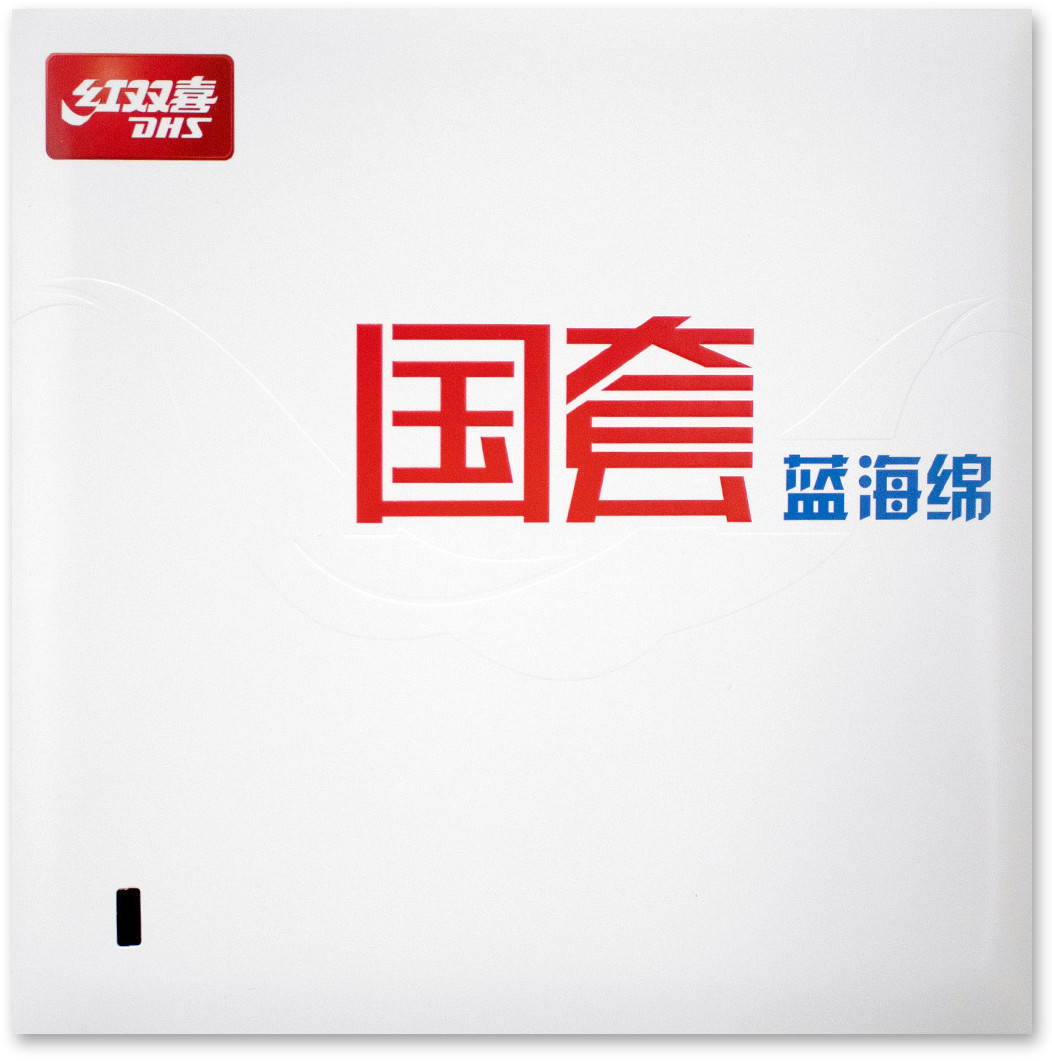
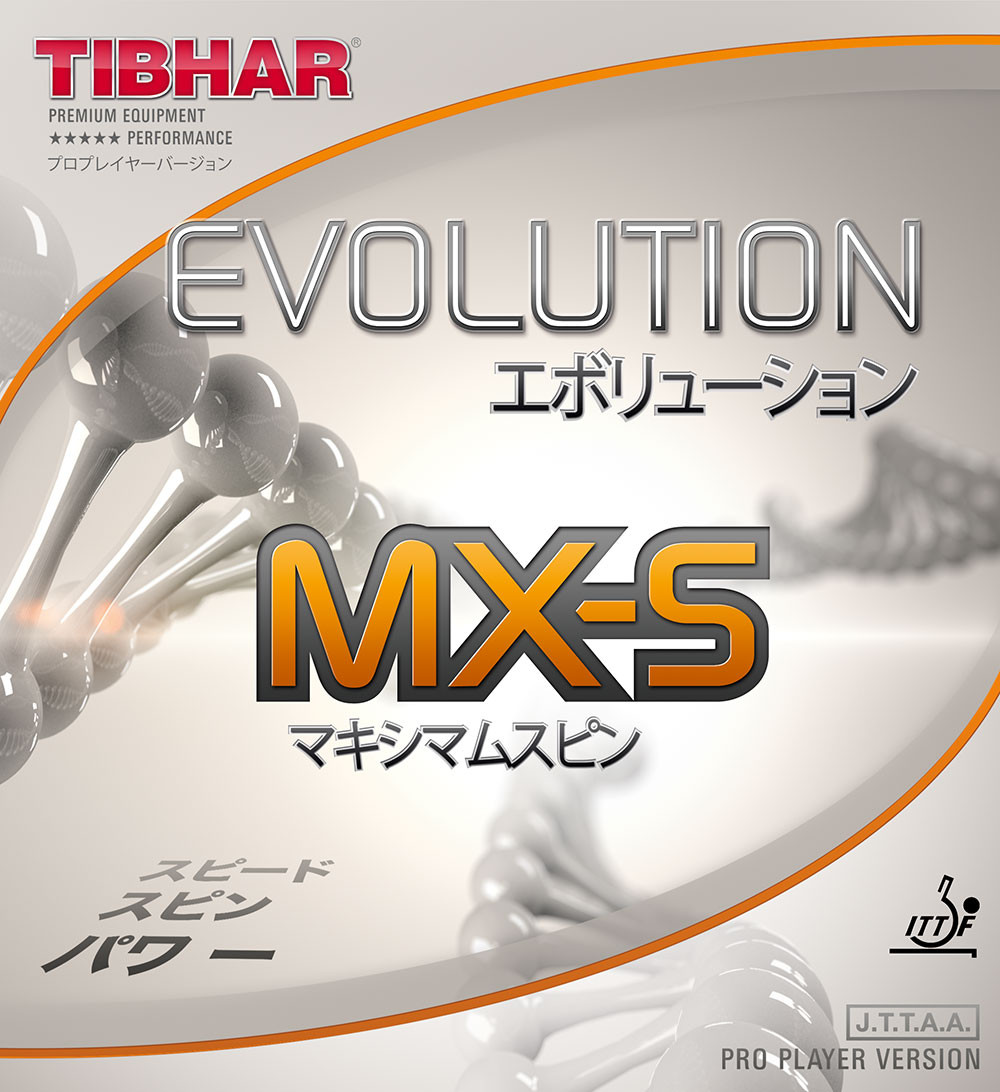
We may earn a commission from links on this page. Learn more.
Nearly identical on paper, except for one axis
Tibhar Evolution MX-S and DHS Hurricane 3 National Blue Sponge share the same 8.4 overall rating, and the axis data confirms just how close they run. Speed is dead level at 9.2 apiece — a 0 delta, the rarest result in this data set. Spin is functionally tied too: 9.6 for Hurricane 3 National against 9.5 for Evolution MX-S, the highest mark in the whole Evolution range, a gap of just 0.1. Control sits at 9.2 versus 9.1, another 0.1-point non-difference. If you were only looking at speed, spin, and control, you would have no real basis to choose between them.
The 6.1-point gap that actually separates them
Tackiness is where these two rubbers diverge completely: 8.5 for Hurricane 3 National against 2.4 for Evolution MX-S, a 6.1-point swing. Hurricane 3 National is a classic tacky Chinese rubber that grips the ball on contact, rewarding brushed serves and short-game manipulation. Evolution MX-S is an ESN tensor built around a different kind of grip — catapult-assisted spin generation rather than surface tack, a distinction TableTennis11’s review of the whole Evolution line backs up when it describes MX-S’s spin as coming from gear range and stroke technique rather than sticky friction. This is the axis that should drive your decision, not the nearly-tied headline numbers.
Hardness explains the “no catapult” complaint
The spec rows show Evolution MX-S sponge hardness at roughly 47.3 degrees against 39 to 42 degrees for Hurricane 3 National — a genuinely hard sponge by either standard. Combined with Evolution MX-S’s own listed con, “less catapult than MX-P — player must generate own speed,” this tells a consistent story: this is a rubber where you supply the power through full-swing technique, much like Hurricane 3 National, just via a hard-sponge tensor mechanism instead of a tacky-topsheet one. Neither rubber is forgiving for passive strokes; both are documented as demanding on technique.
Weight and durability: the real tiebreakers
Two axes actually separate quality here. Durability favors Hurricane 3 National by a real 0.9 points (8.4 vs 7.5), and Evolution MX-S’s own listed con confirms it: durability “starts declining after about 6 months of intensive play.” Weight cuts the other way from what you might expect — Evolution MX-S is the heavier rubber at 76 grams uncut against Hurricane 3 National’s 70 to 73 grams, despite MX-S not being the tacky one. If total racket weight matters to your setup, don’t assume the non-tacky rubber is automatically lighter; here it isn’t.
Blocking is where Evolution MX-S pulls ahead in practice
Evolution MX-S’s own pros list claims a functional edge Hurricane 3 National’s does not: “exceptional blocking — absorbs pace, low spin-sensitivity.” Hurricane 3 National’s cons explicitly note a low throw angle that “makes consistent looping harder to learn,” and the throw axis data confirms it — 5.6 vs 5.1, both low, with Evolution MX-S actually a touch worse on throw, so neither rubber offers a generous arc. If your game leans on blocking against heavy topspin rather than pure forehand looping, Evolution MX-S’s documented blocking strength is a real, reviewer-sourced point in its favor that the raw numbers alone don’t fully capture.
Should you switch between them?
Given how close the performance axes are, switching from one to the other is not really an upgrade or downgrade — it is a change in rubber family and technique requirement. A Hurricane 3 National user moving to Evolution MX-S trades tackiness-based short game for a harder, catapult-light tensor with better documented blocking and less durability. An Evolution MX-S user moving to Hurricane 3 National gains a genuine short-game tackiness tool at the cost of Evolution MX-S’s blocking stability and the consistent batch-to-batch quality that TableTennis11 and Megaspin both highlight.
Bottom line
With speed tied, spin within 0.1, and control within 0.1, this comparison lives or dies on tackiness (6.1-point gap), sponge hardness, and durability — not on which rubber hits harder or spins more.
Frequently asked questions
Are DHS Hurricane 3 National and Tibhar Evolution MX-S actually similar rubbers?
On raw performance axes, yes -- speed is tied at 9.2, spin is within 0.1 point (9.6 vs 9.5), and control is within 0.1 point. The real difference is tackiness, where Hurricane 3 National scores 8.5 against just 2.4 for Evolution MX-S.
Which rubber is heavier?
Evolution MX-S, at 76 grams uncut versus roughly 70 to 73 grams for Hurricane 3 National -- a detail worth noting since the non-tacky rubber is often assumed to be lighter.
Is Evolution MX-S better for blocking than Hurricane 3 National?
Its own review data suggests yes. Evolution MX-S lists exceptional blocking with low spin-sensitivity as a strength, while Hurricane 3 National's documented weakness is a low throw angle that makes looping harder to learn.
Does Hurricane 3 National last longer than Evolution MX-S?
Slightly. Durability favors Hurricane 3 National by 0.9 points (8.4 vs 7.5), and Evolution MX-S's own con list confirms performance starts declining after about six months of intensive play.