DHS Hurricane 3 National Blue Sponge vs Nittaku Fastarc S-1: Which Should You Buy?
| DHS Hurricane 3 National Blue Sponge | Nittaku Fastarc S-1 | |
|---|---|---|
| Our rating | 8.4/10 | 7.9/10 |
| best_side | Forehand | forehand or backhand |
| control | 70 | 70 |
| speed | 91 | 97 |
| spin | 98 | 96 |
| sponge_hardness | 39-42 degrees (varies by batch; commonly 40 or 41 deg) | 35 degrees |
| type | Inverted / Tacky | inverted |
| weight_uncut_g | approx 70-73 g uncut | around 41-43g |
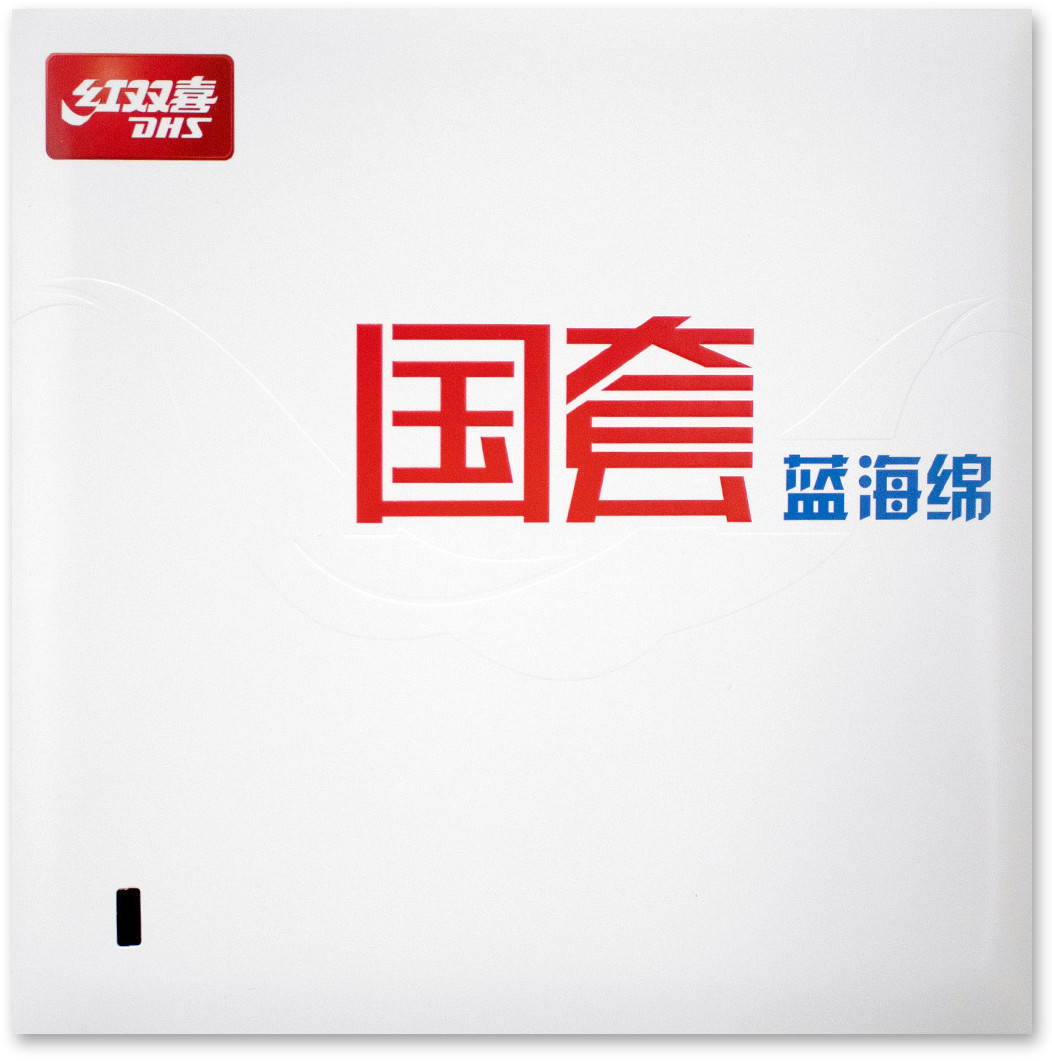
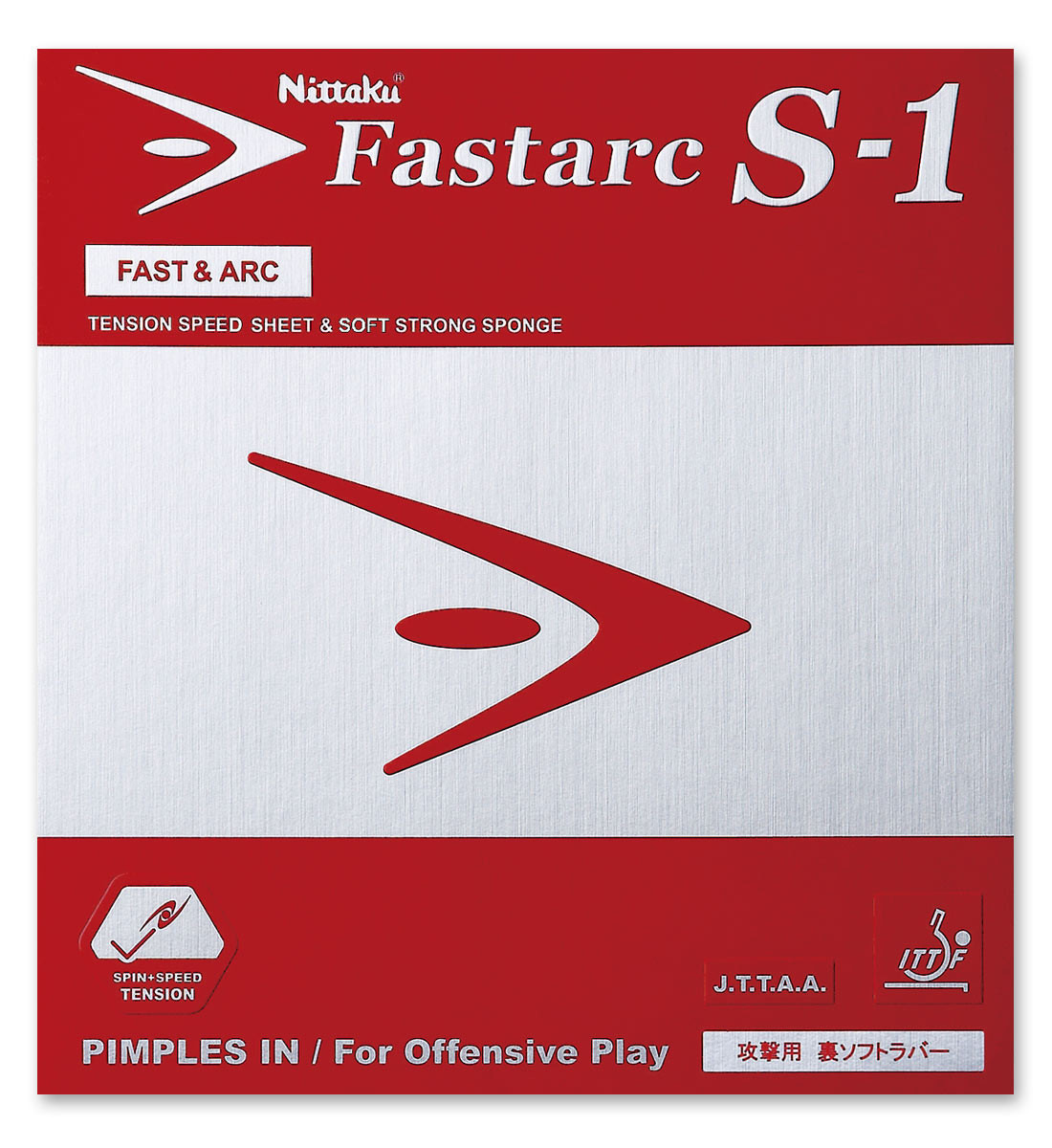
We may earn a commission from links on this page. Learn more.
The number that actually decides this comparison
Forget the overall ratings for a second — 8.4 for the DHS Hurricane 3 National Blue Sponge against 7.9 for the Nittaku Fastarc S-1 tells you almost nothing about which rubber is right for you. The number that matters is buried in the axis data: tackiness. Hurricane 3 National scores 8.5 on tackiness, Fastarc S-1 scores 1.9. That is a 6.6-point gap, by far the largest of any axis in this comparison, and it is not a minor stylistic quirk. Tackiness is what lets a player grip the ball for extended dwell time on serves, pushes, and short receives, and it is the entire reason Chinese-style forehand loopers boost and maintain this sheet in the first place. Fastarc S-1 is a grippy-but-non-tacky German-style tensor. If you have only ever played on one family of rubber, switching to the other changes your short game technique almost completely, regardless of what the spin and control numbers say.
Where the two rubbers are actually tied
Strip out tackiness and the rest of the axis data is close enough to call a wash. Speed sits at 9.2 for Hurricane 3 National versus 9.1 for Fastarc S-1 — a 0.1-point gap that no player will feel on court. Control is 9.2 versus 9.1, another 0.1-point non-difference. Throw angle is 5.6 versus 5.4, both on the low side, meaning neither rubber is going to bail you out with a big forgiving arc; you supply the trajectory yourself with both. Durability favors Hurricane 3 National by half a point (8.4 vs 7.9), which is real but modest, especially once you factor in that Hurricane 3 National needs boosting to perform at its ceiling, and boosted sheets fatigue faster than an unboosted Fastarc S-1.
Interestingly, the manufacturer-style spec sheet actually inverts the speed story: it lists Fastarc S-1 at 97 on its internal speed scale against 91 for Hurricane 3 National. Combine that with the near-tied aggregated speed ratings above and the honest read is that speed is not a real differentiator here in either direction — pick based on tackiness and spin, not top-end pace.
The spin gap is real but moderate
Spin is where Hurricane 3 National pulls ahead by a genuine 0.7 points — 9.6 against 8.9. That is enough to notice on a full-swing loop against backspin, particularly on serves and short pushes where the tacky topsheet grips the ball longer. It is not, however, in the same league as the tackiness gap. A 0.7-point spin edge will make your loops rotate visibly harder; it will not turn a Fastarc S-1 user’s game around on its own.
Weight: the practical difference nobody headlines
The spec rows hide the single biggest everyday consequence of this matchup: Hurricane 3 National weighs roughly 70 to 73 grams uncut, while Fastarc S-1 comes in around 41 to 43 grams. That is close to double. Mounted on the same blade, Hurricane 3 National will meaningfully change your racket’s swing weight and can contribute to arm fatigue over a long session, which lines up with the reviewer consensus from Racket Insight and Megaspin that this rubber is physically demanding.
Should you switch?
If you already play a Chinese-style forehand loop and are prepared to boost and maintain the sheet, the move to Hurricane 3 National buys you a real 0.7-point spin bump and better short-game tack, at the cost of nearly double the weight and a maintenance routine. If you are an intermediate or developing player currently on Fastarc S-1 looking for more, don’t chase Hurricane 3 National for its headline spin number — reviewers consistently flag it as unforgiving for players below advanced level, and the counterfeit risk on genuine Hurricane 3 National stock is real. Going the other direction, from Hurricane 3 National to Fastarc S-1, trades away tackiness and a bit of spin for a lighter, easier-to-block, backhand-friendly rubber that TableTennis Reference and Reddit’s r/tabletennis community consistently describe as forgiving for players still building technique.
Bottom line
This is not really an upgrade-versus-downgrade comparison — it is two different rubber philosophies at a similar overall quality (0.5-point rating gap). Hurricane 3 National is a heavier, tackier, higher-ceiling forehand tool for players who will commit to boosting it. Fastarc S-1 is a lighter, easier, near-identical-speed alternative for players who want genuine tensor pace without the tackiness commitment.
Frequently asked questions
Is the DHS Hurricane 3 National Blue Sponge faster than the Nittaku Fastarc S-1?
Not meaningfully. Aggregated speed ratings put them within 0.1 points of each other (9.2 vs 9.1), and the manufacturer-style spec sheet actually rates Fastarc S-1 higher for speed (97 vs 91). Treat speed as a tie and choose based on tackiness and spin instead.
Can a beginner use the DHS Hurricane 3 National Blue Sponge instead of Fastarc S-1?
Reviewers do not recommend it. Hurricane 3 National is flagged as physically demanding and unforgiving below club level, and it requires boosting and about a week of preparation before it plays as intended. Fastarc S-1 is the more accessible choice for developing players.
Is the 0.7-point spin edge on Hurricane 3 National worth switching for?
Only if you already loop with a full Chinese-style forehand stroke. The spin gap is real and noticeable on brushed loops and serves, but it comes with almost double the uncut weight (70-73g vs 41-43g) and a boosting routine Fastarc S-1 does not need.
Which rubber is better for the backhand?
Fastarc S-1. Its bestFor profile explicitly covers forehand or backhand use and its 1.9 tackiness score keeps it light and fast to close the racket with, while Hurricane 3 National's own bestFor notes say it is not recommended for backhand use.