Butterfly Zhang Jike ALC vs Donic Waldner Senso Carbon V1: Which Should You Buy?
| Butterfly Zhang Jike ALC | Donic Waldner Senso Carbon V1 | |
|---|---|---|
| Our rating | 8.7/10 | 8.2/10 |
| feel | medium-hard but flexible, crisp carbon with long dwell | Soft woody feel with carbon kick; elastic and spin-friendly; medium-high throw angle |
| handle | FL/ST/AN | Senso V1 hollow handle (vibration-damping) — FL, AN, ST options |
| plies | 5W+2 Arylate-Carbon (5 wood plies with 2 Arylate-Carbon layers) | 7 plies: 5 wood (Limba outer, Ayous mid) + 2 carbon composite |
| speed | OFF | OFF- |
| thickness_mm | 5.8 | 5.6-5.8mm |
| weight_g | 88 | 85-87g |
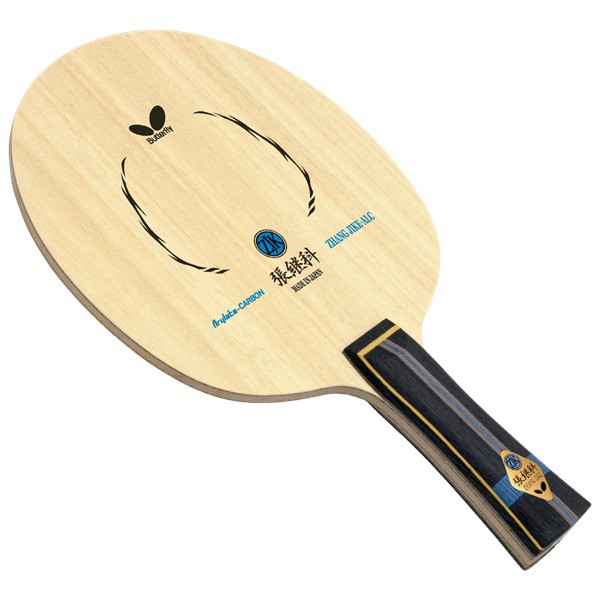
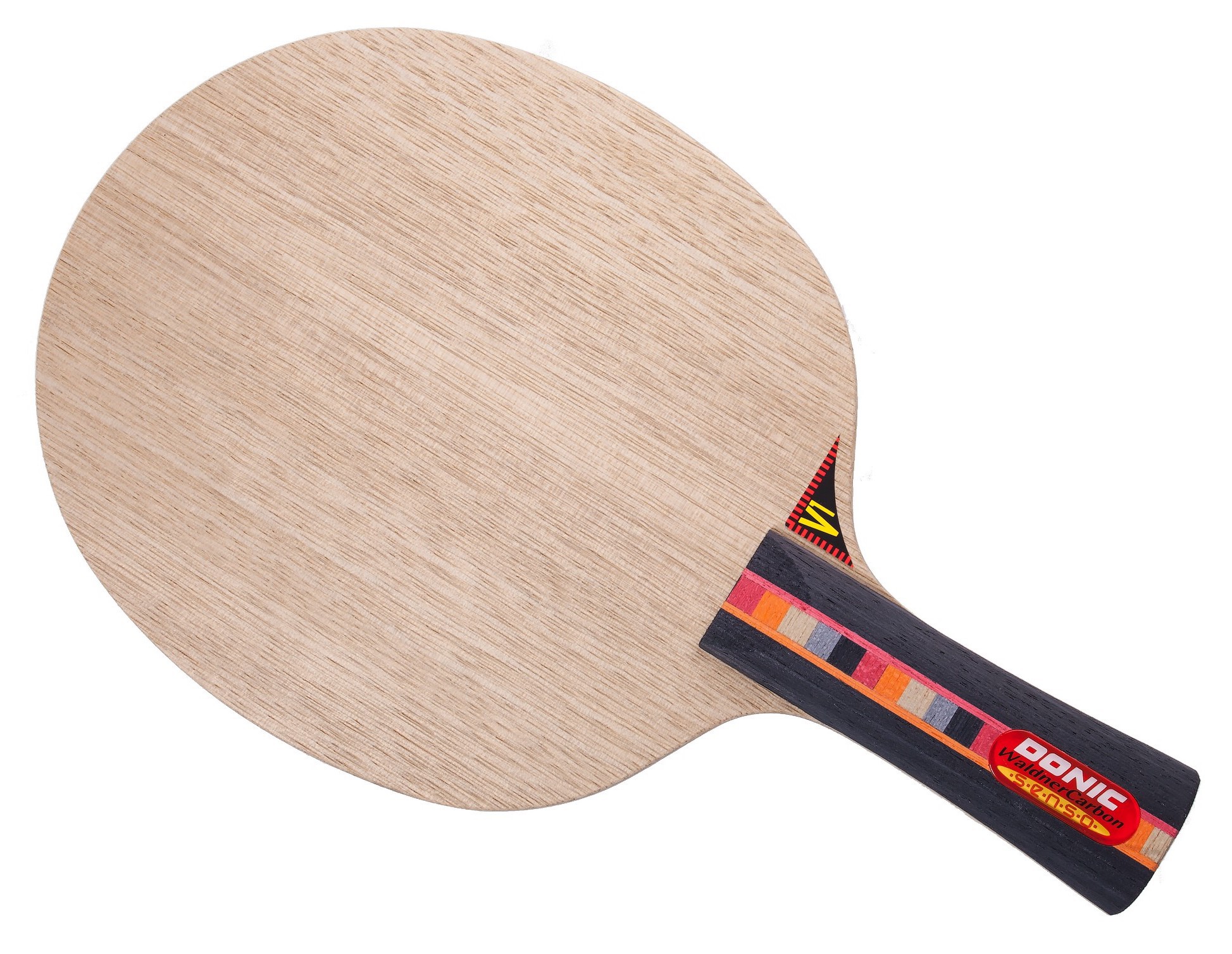
We may earn a commission from links on this page. Learn more.
Zhang Jike ALC (8.7 rating) delivers OFF-class speed with soft, flexible carbon feedback and long dwell time, excelling at looping and spin generation. Donic Waldner Senso Carbon V1 (8.2 rating) combines woody, natural feel with outer carbon construction, designed for close-to-table topspin, high throw angle, and vibration dampening via its hollow handle.
Zhang Jike is best for intermediate-to-advanced loopers who want speed with spin emphasis, seeking compatibility with tensor or tacky rubbers. Waldner Senso V1 suits players transitioning from all-wood to carbon who value touch and feel over raw speed—particularly European-style, close-to-table loopers. Zhang Jike’s greater speed and away-from-table looping capability make it superior for aggressive play, while Waldner’s lighter weight (85g vs 88g) and high throw angle prioritize spin and short-game precision.
FAQ
Which blade helps me transition from all-wood to carbon more smoothly?
Waldner Senso V1. Its woody feel, hollow handle vibration dampening, and light weight ease the jump. Zhang Jike’s stiffer carbon requires more adaptation.
Can I use Waldner Senso V1 for mid-range play?
Somewhat. Speed drops noticeably, and it’s not stiff enough for flat smashes. Stay close-to-mid table for best results.
Which is faster at mid-distance?
Zhang Jike, clearly. Its OFF speed and larger sweet spot (relative to Senso’s slight disadvantage) make mid-range looping noticeably easier.