Butterfly Primorac vs Xiom Stradivarius: Which Should You Buy?
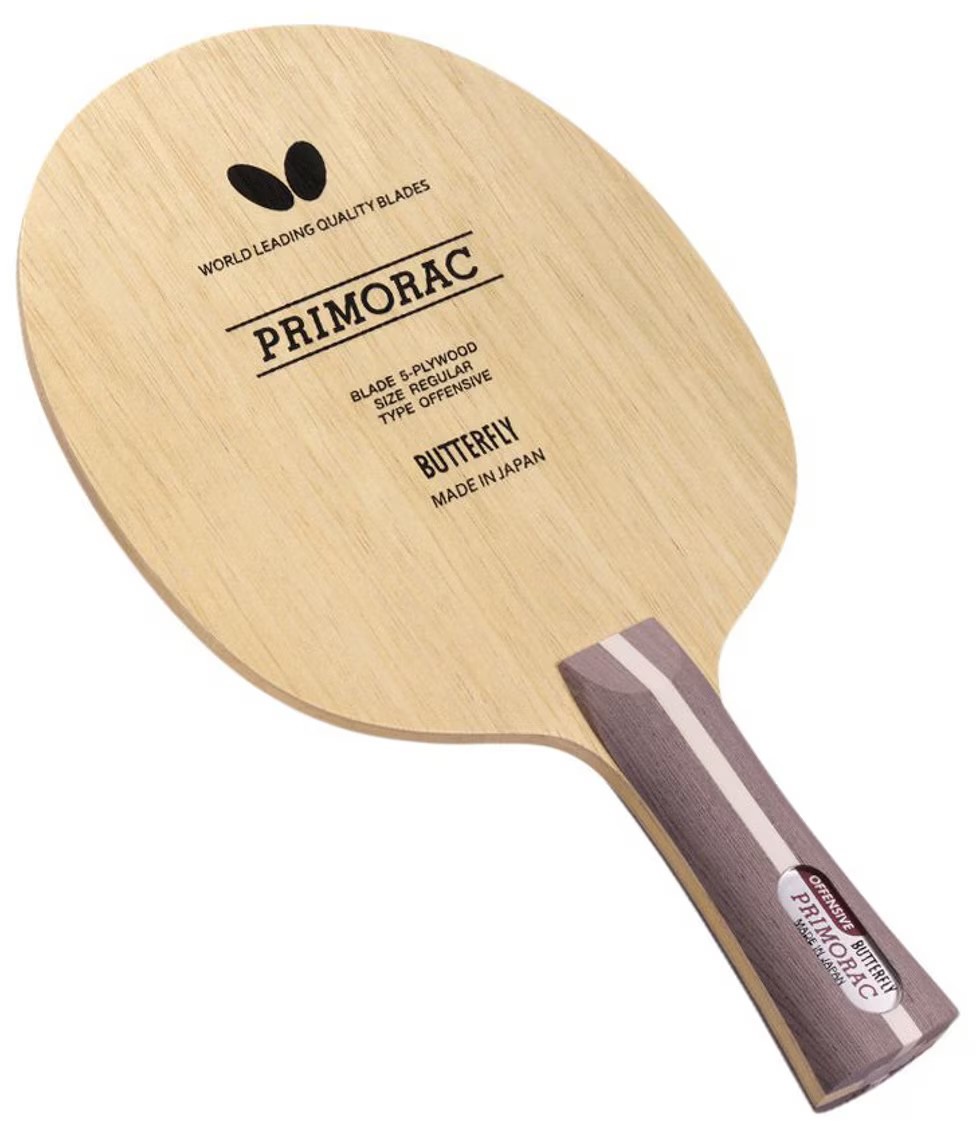
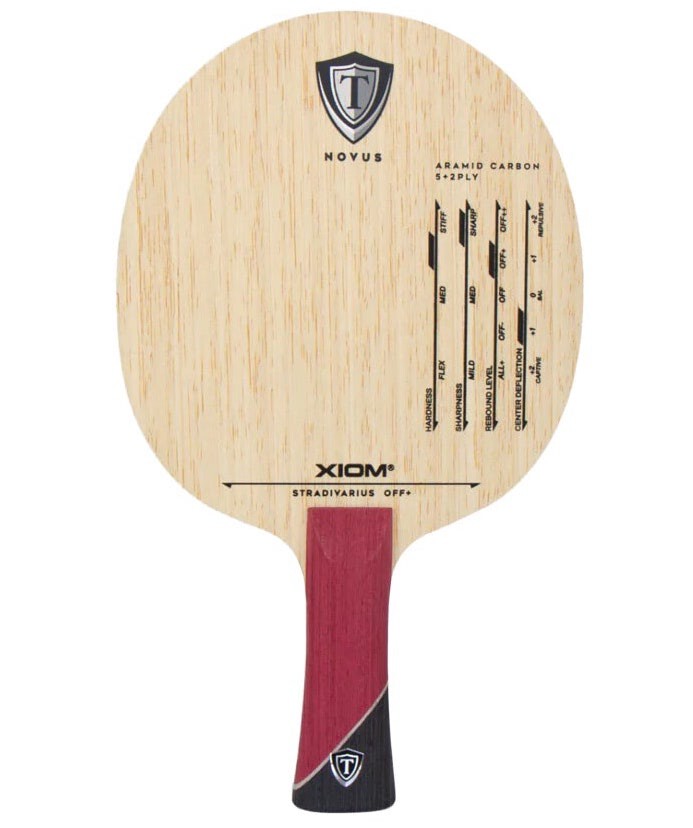
| Butterfly Primorac | Xiom Stradivarius | |
|---|---|---|
| Our rating | 8.3/10 | 8.4/10 |
| feel | medium, classic all-wood, long dwell and high control | Crisp and solid with low residual vibration; direct ball contact feel with a large sweet spot |
| handle | FL/ST | Flared (FL), Straight (ST) |
| plies | 5W (all wood) — Limba/Limba/Ayous/Limba/Limba | 5 wood + 2 arylate carbon (Aramid Carbon) |
| speed | OFF- | OFF |
| thickness_mm | 6 | 5.7 |
| weight_g | 85 | ~85-87 |
We may earn a commission from links on this page. Learn more.
Butterfly Primorac (8.3) is a classic all-wood blade with excellent dwell, clean feedback, and Butterfly’s legendary durability. Control-first players building technique find its long dwell and predictable feel essential for stroke development.
Xiom Stradivarius (8.4) competes with Butterfly’s premium ALC class at a fraction of the price. Its arylate-carbon (Aramid Carbon) construction delivers excellent topspin and looping with very low residual vibration and direct ball-contact feel. Off+ close to the table and solid OFF at mid-distance, it’s generous on sweet spot and works well with wide rubber varieties. However, speed drops noticeably at longer distances, and the crisp carbon feel may not suit players preferring softer feedback.
Choose Primorac if pure dwell, wood feedback, and Butterfly pedigree are paramount. Select Stradivarius if you want premium carbon performance without premium Butterfly pricing, especially if you have a topspin-dominant game and play mostly close to mid-table. Stradivarius is the better progression blade for intermediate players ready to step into carbon.
FAQ
How much cheaper is Stradivarius than Butterfly ALC alternatives?
Significantly cheaper. It ‘competes with Butterfly ALC blades at a fraction of the price,’ making it an exceptional value for players wanting premium-class speed without premium-class cost.
Will Stradivarius feel too stiff for an all-wood player?
Possibly. The ‘stiff carbon feel may not suit players who prefer softer, more flexible feedback.’ Primorac users should expect an adjustment period to the crisper arylate-carbon touch.
Is Stradivarius good for far-table play?
Not especially. Speed drops ‘noticeably at longer distances,’ limiting its range. Primorac, while not fast, is more consistent across table distances.
Can both pair with hard, tacky Chinese rubbers?
Yes, but Stradivarius excels here due to its stiffer carbon construction. Primorac works but its softer feel can sometimes clash with extremely hard topsheets. Stradivarius is more flexible rubber-wise.