Butterfly Korbel vs Nittaku Septear: Which Should You Buy?
| Butterfly Korbel | Nittaku Septear | |
|---|---|---|
| Our rating | 8.6/10 | 8.2/10 |
| feel | medium, soft and flexible all-wood with long dwell | Soft with high dwell time |
| handle | FL/ST | Straight or Concave (flared) |
| plies | 5W (all wood) — limba-limba-ayous-limba-limba | 7-ply all wood (Kiso Hinoki) |
| speed | OFF- | ALL+ |
| thickness_mm | 6 | 6.7 |
| weight_g | 88 | 85 |
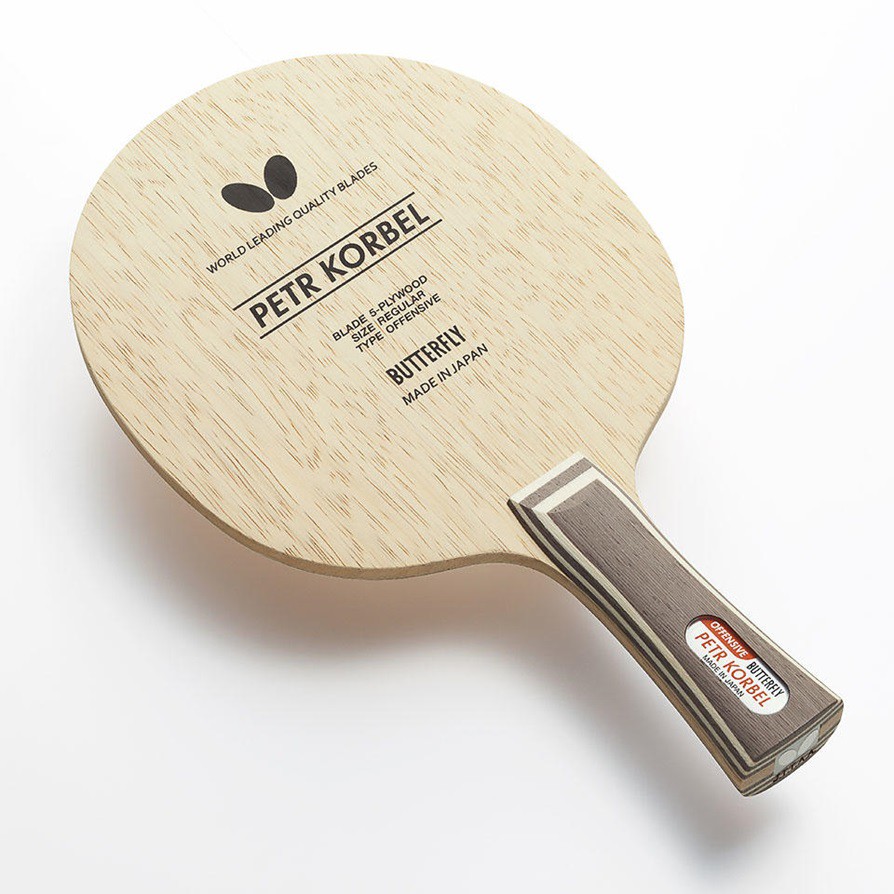
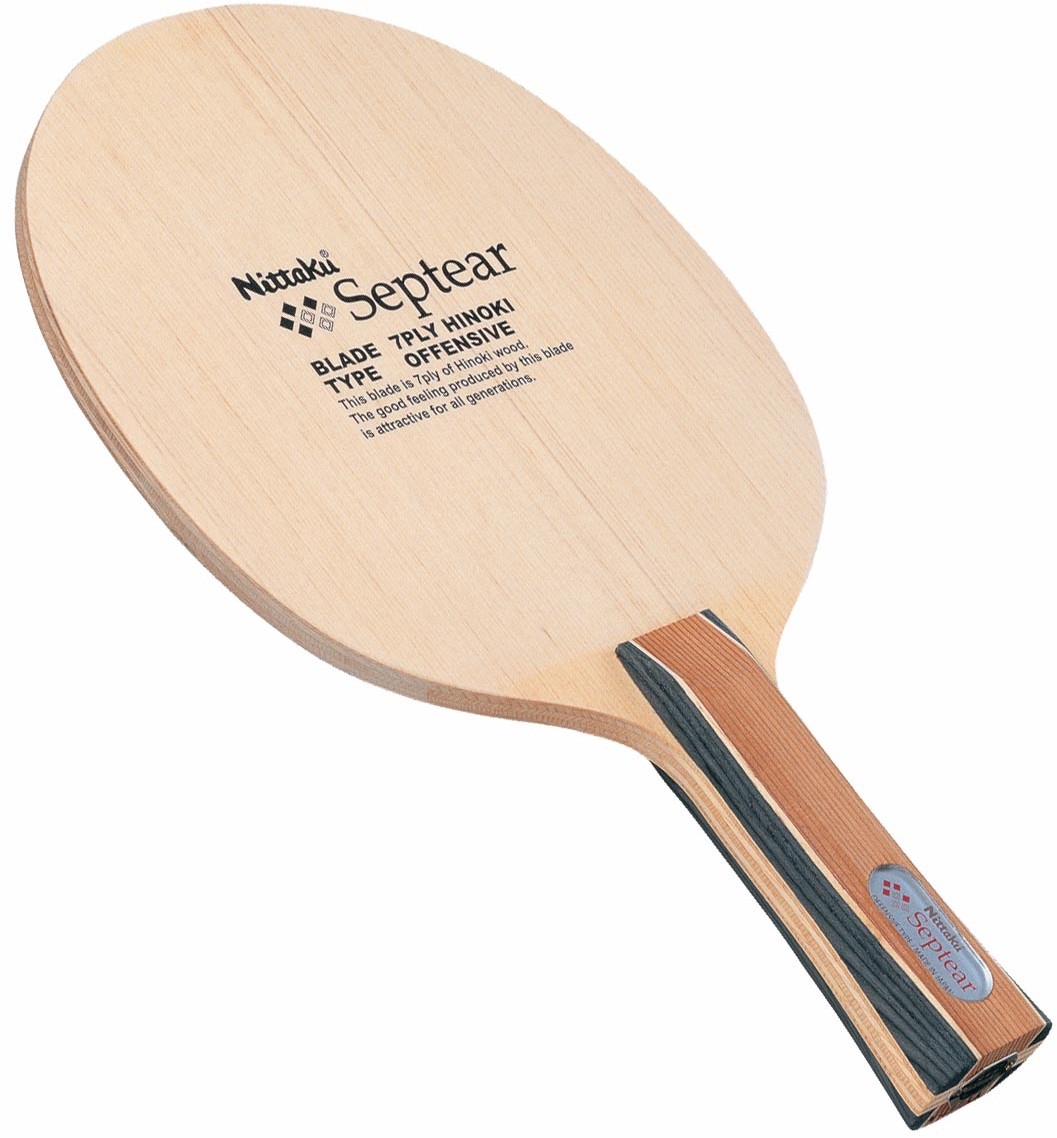
We may earn a commission from links on this page. Learn more.
The Butterfly Korbel is soft, flexible all-wood OFF-, ideal for beginners learning loops, offering forgiving dwell and high throw. The Nittaku Septear is 7-ply Kiso Hinoki all-wood rated ALL+: exceptional ball placement precision, high dwell, forgiving sweet spot, premium Japanese craftsmanship, and soft responsive feel.
Choose Korbel if you’re beginner, want pure learning blade, seek forgiving feel, or plan carbon transition. Pick Septear if you’re developing intermediate control player, prioritize touch and placement, love Japanese craftsmanship, and can pair medium-hard to hard rubbers. Korbel teaches loops; Septear teaches placement.
FAQ
Which handles soft rubbers better?
Korbel: its flexibility suits soft rubbers well. Septear: actually performs poorly with soft rubbers; needs medium-hard to hard sponges to shine.
How different are their speeds?
Korbel OFF-, Septear ALL+ (all-round plus). Septear is slightly faster but prioritizes control. Speed difference smaller than feel difference.
Which teaches stroke technique better?
Septear: forgiving sweet spot and high feedback help learners feel technique errors. Korbel forgiving but less instructive.
Is Kiso Hinoki special?
Yes. Japanese premium wood known for soft feel, high dwell, durability. Septear’s Kiso Hinoki justifies price among all-wood choices.