Butterfly Innerforce Layer ALC vs Stiga Dynasty Carbon: Which Should You Buy?
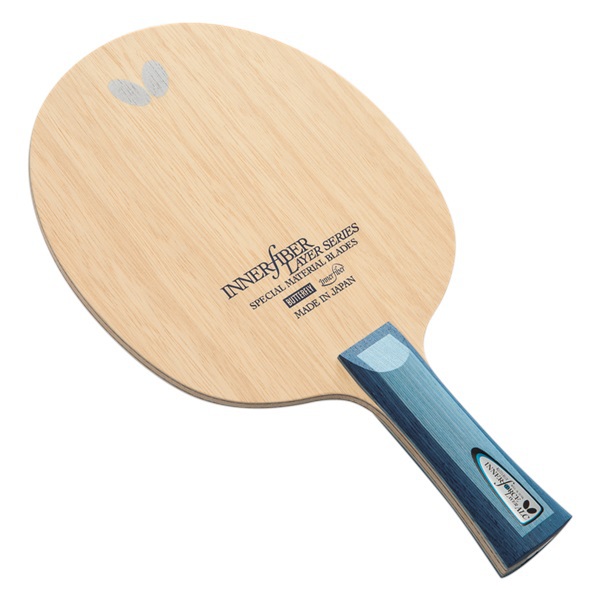
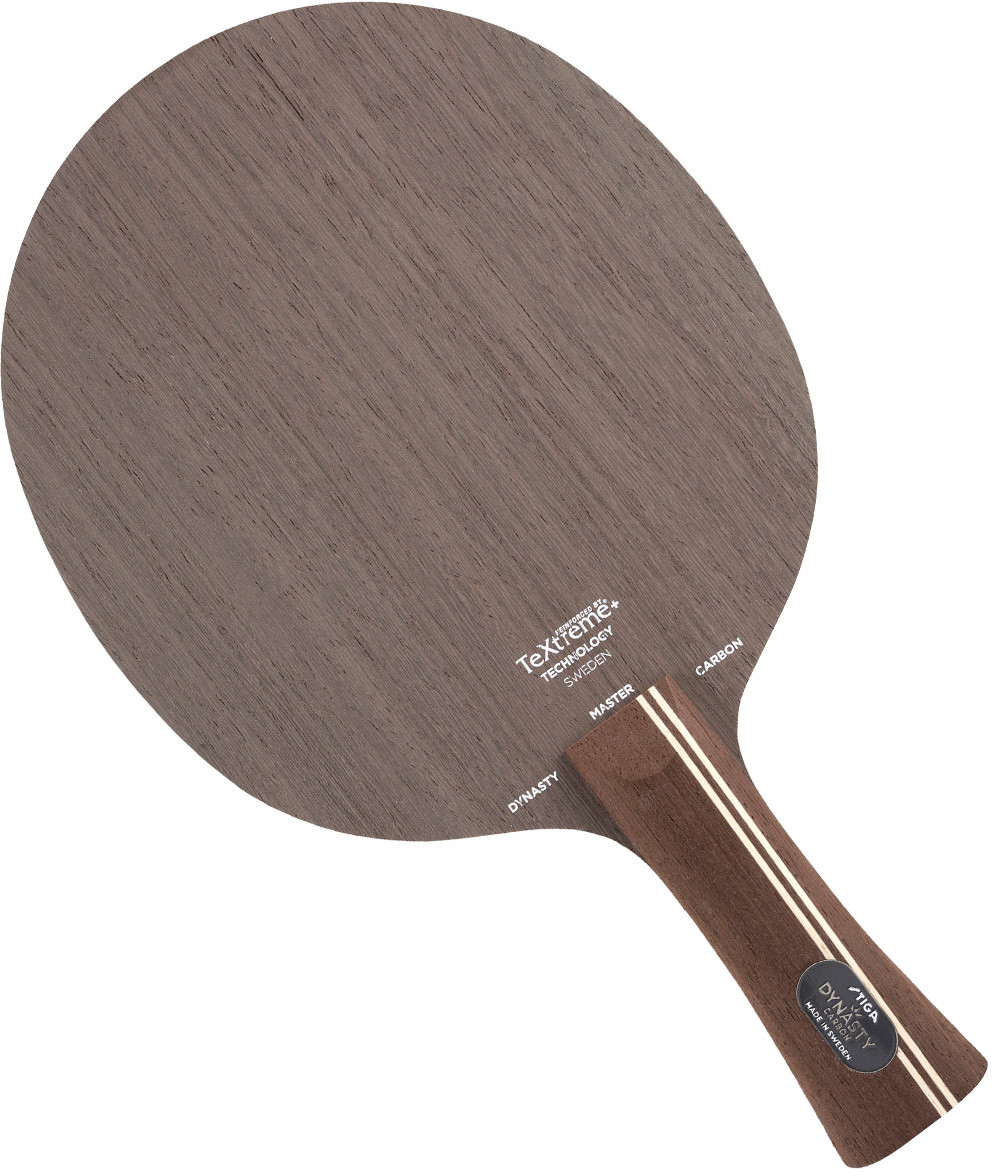
| Butterfly Innerforce Layer ALC | Stiga Dynasty Carbon | |
|---|---|---|
| Our rating | 8.8/10 | 8.5/10 |
| feel | medium, high feel/dwell | woody, medium-stiff, large sweet spot |
| handle | FL/ST/AN | FL / CS / Penhold |
| plies | 5W+2 Inner Arylate-Carbon | 5 wood + 2 carbon (TeXtreme+) |
| speed | OFF | OFF |
| thickness_mm | 5.9 | 5.9 |
| weight_g | 86 | 90 |
We may earn a commission from links on this page. Learn more.
The Innerforce Layer ALC delivers all-wood feel and dwell with arylate-carbon stability, excelling at close-to-mid distance looping and short-game touch with a large, stable sweet spot.
The Stiga Dynasty Carbon uses TeXtreme+ outer carbon to produce a woody, dwell-rich feel uncommon in outer-carbon blades. At-table control, flips, pushes, and blocks are clean and consistent, with a medium-high throw angle suiting topspin-dominant play.
Both are OFF speed and excellent for control, but Dynasty Carbon is heavier (around 90g) and costs around USD 200—a steep premium for recreational players. The Innerforce Layer ALC offers better value and more versatile rubber pairing options.
FAQ
Which feels more like all-wood?
Dynasty Carbon’s TeXtreme+ outer carbon produces a notably woody, dwell-rich feel that mimics all-wood better than typical outer-carbon blades. The Innerforce Layer ALC achieves this with inner ALC placement.
Which is better for penhold?
Dynasty Carbon is specifically praised for penhold variants and offers FL, CS, and Penhold handle options. Innerforce Layer ALC is primarily for shakehand players.
Which has a larger sweet spot?
Dynasty Carbon has a generously large sweet spot for its construction class. Innerforce Layer ALC also has a large, stable sweet spot—they are comparable in forgiving play.
Is Dynasty Carbon worth the premium price?
Only for advanced players who loop on both wings and want outer-carbon stability with all-wood feel. The Innerforce Layer ALC delivers similar control at lower cost with greater versatility.