Butterfly Innerforce Layer ALC vs Nittaku Septear: Which Should You Buy?
| Butterfly Innerforce Layer ALC | Nittaku Septear | |
|---|---|---|
| Our rating | 8.8/10 | 8.2/10 |
| feel | medium, high feel/dwell | Soft with high dwell time |
| handle | FL/ST/AN | Straight or Concave (flared) |
| plies | 5W+2 Inner Arylate-Carbon | 7-ply all wood (Kiso Hinoki) |
| speed | OFF | ALL+ |
| thickness_mm | 5.9 | 6.7 |
| weight_g | 86 | 85 |
We may earn a commission from links on this page. Learn more.
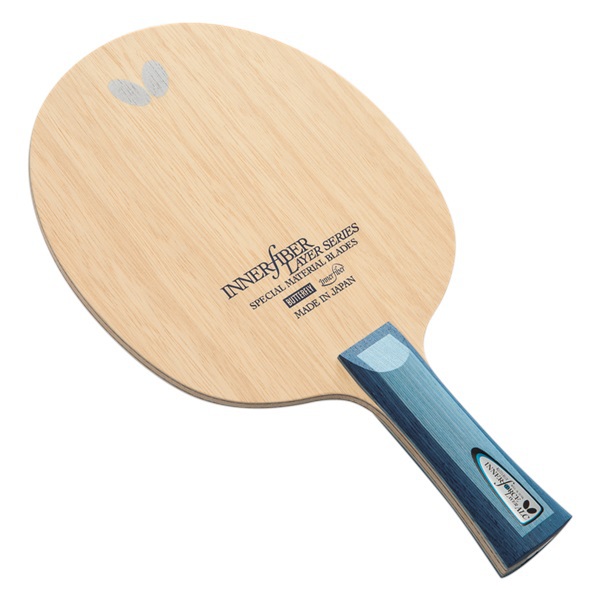
The Innerforce Layer ALC combines all-wood feel with arylate-carbon acceleration, delivering excellent control across the short, mid, and far game while providing on-demand power for hard swings.
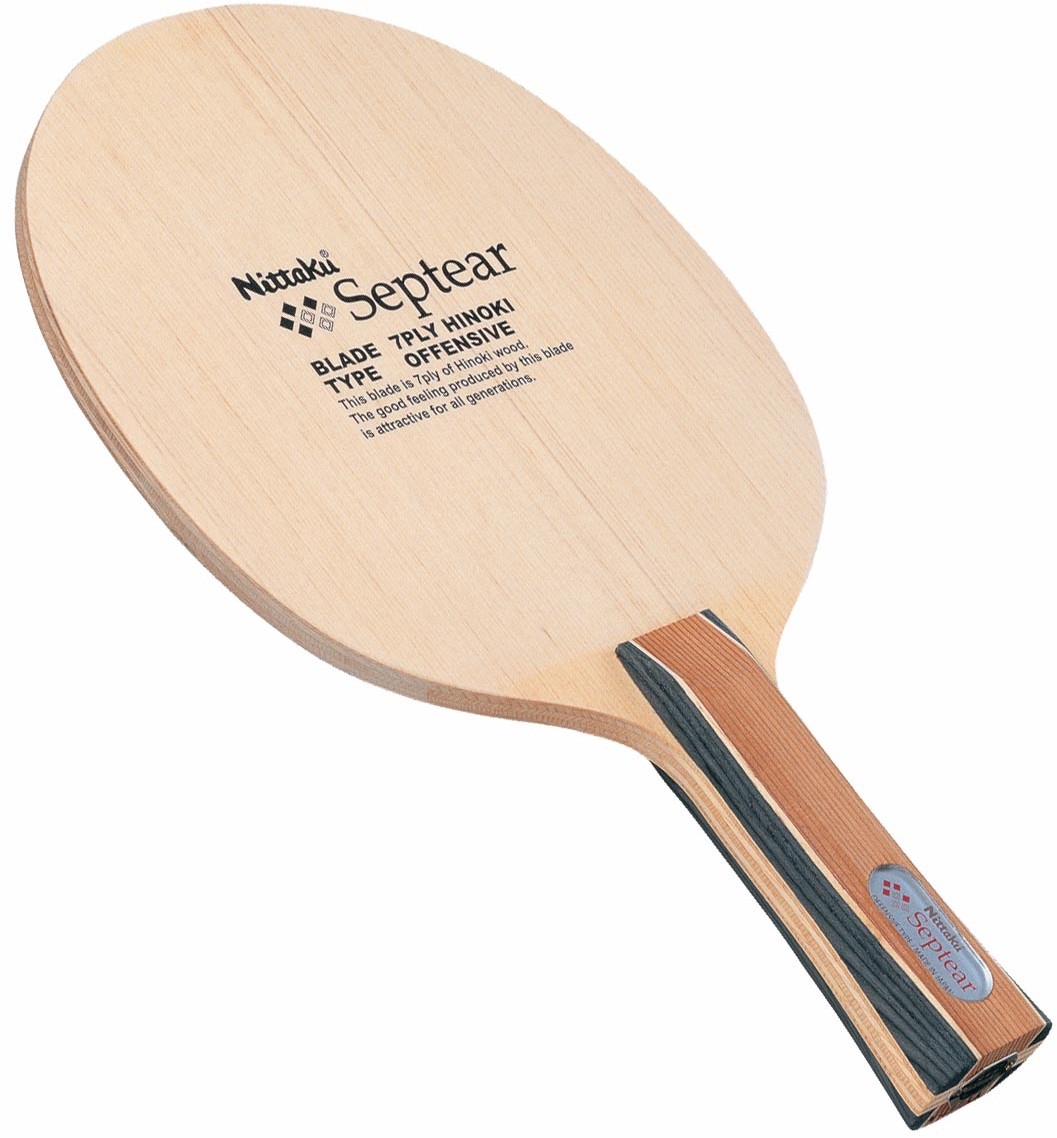
The Nittaku Septear is a pure all-wood blade prized for exceptional control, ball placement precision, and high dwell time characteristic of Kiso Hinoki. It excels at short range and mid-distance but lacks explosive finishing power compared to carbon composites.
The core trade-off is speed versus feel: the ALC gives offensive ceiling and stability with decent dwell, while Septear offers unmatched control and tactile feedback with a lower speed ceiling. Septear demands medium-hard or hard rubbers to perform well.
FAQ
Which is faster?
The Innerforce Layer ALC is OFF speed with carbon kick. The Septear is ALL+ all-wood—significantly slower. The ALC suits players transitioning toward offensive play; Septear suits control specialists.
Which has better feel?
The Septear offers superior dwell and wood feel from pure 7-ply Kiso Hinoki construction. The Innerforce Layer ALC has good dwell but slightly bouncy first feel that takes time to master.
Which is more forgiving?
The Septear forgives technique development with a stable sweet spot. The Innerforce Layer ALC is stable but rewards a developed stroke. For learners, Septear wins on consistency.
What rubber pairs best?
Innerforce Layer ALC works well with medium-hard inverted rubbers. Septear requires medium-hard to hard sponges and struggles with soft rubbers—a key limitation.