Butterfly Innerforce Layer ALC vs Donic Waldner Senso Carbon V1: Which Should You Buy?
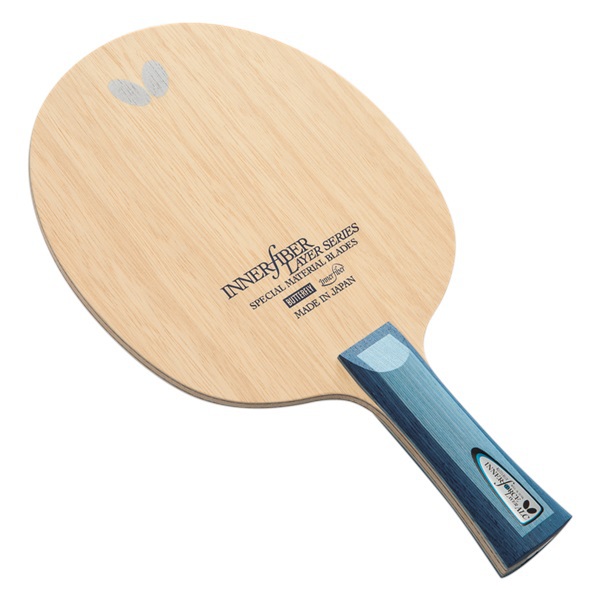
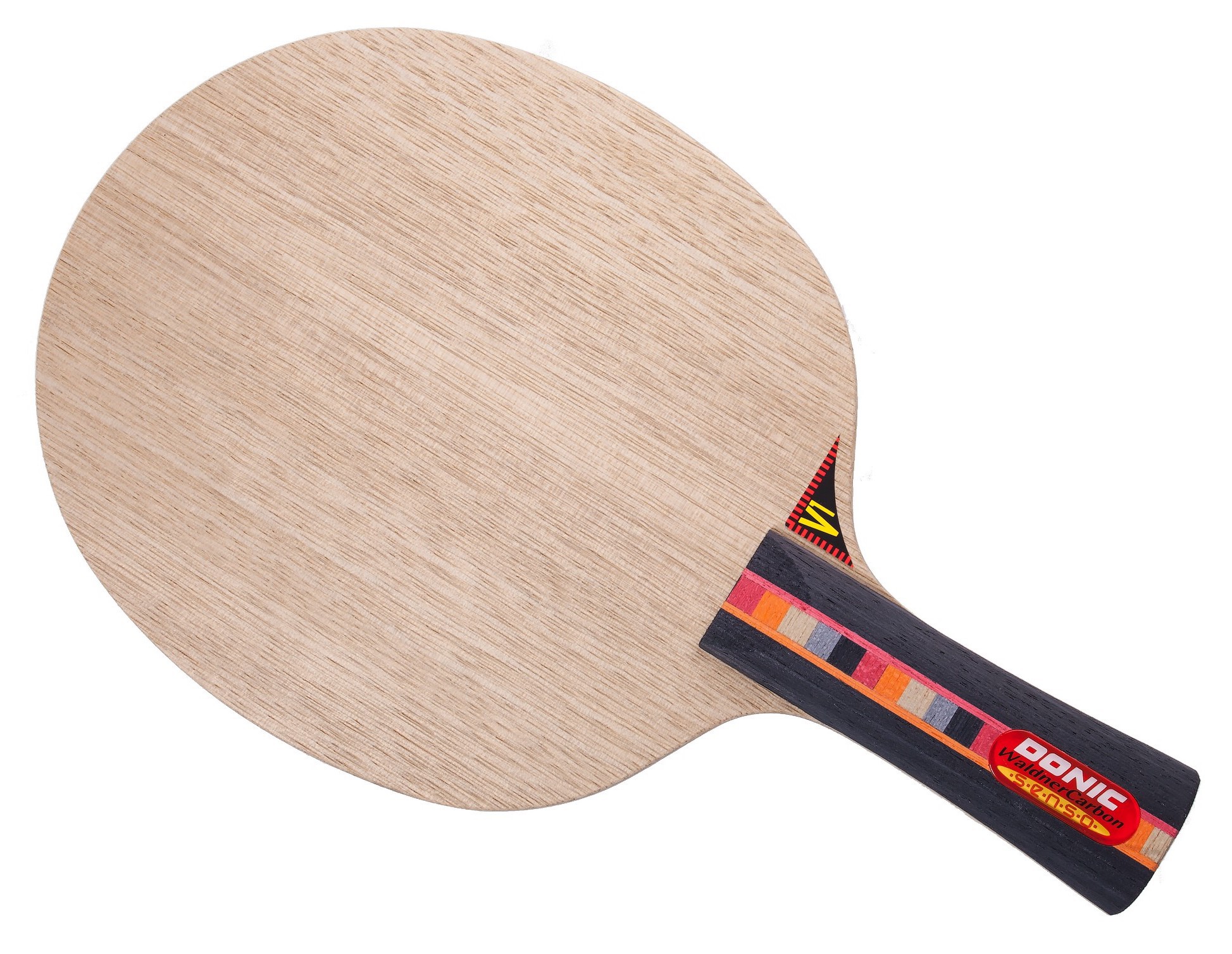
| Butterfly Innerforce Layer ALC | Donic Waldner Senso Carbon V1 | |
|---|---|---|
| Our rating | 8.8/10 | 8.2/10 |
| feel | medium, high feel/dwell | Soft woody feel with carbon kick; elastic and spin-friendly; medium-high throw angle |
| handle | FL/ST/AN | Senso V1 hollow handle (vibration-damping) — FL, AN, ST options |
| plies | 5W+2 Inner Arylate-Carbon | 7 plies: 5 wood (Limba outer, Ayous mid) + 2 carbon composite |
| speed | OFF | OFF- |
| thickness_mm | 5.9 | 5.6-5.8mm |
| weight_g | 86 | 85-87g |
We may earn a commission from links on this page. Learn more.
The Innerforce ALC delivers more raw speed and a clearer carbon personality—excellent control across all distances with the stability to execute aggressive swings. The Waldner Senso V1 is a softer entry into carbon, retaining wood-like dwell while adding just enough stiffness to outpace all-wood blades.
Choose the Innerforce ALC if you want full offensive capability and don’t mind a bouncy feel that demands technique. Pick the Waldner Senso V1 if you are moving from all-wood to carbon and value feel over speed, especially if your game centers on close-table looping and spin rather than power from distance.
FAQ
Which plays more like wood?
The Waldner Senso V1 is described as retaining a woody, natural feel despite carbon, while the Innerforce ALC gives an all-wood feel up close then adds carbon kick—both preserve wood characteristics, but Waldner is softer overall.
Can a beginner handle these blades?
Neither is ideal for true beginners. The Innerforce ALC’s bouncy feel requires a developed stroke. The Waldner Senso V1 is intermediate-friendly because it tolerates varied rubber pairing and lower swing speeds better.
Which is better for heavy topspin?
The Waldner Senso V1 excels at topspin and looping close to the table with high throw angle; the Innerforce ALC is more balanced for all stroke types across the entire court.