Butterfly Fan Zhendong ALC vs Xiom Stradivarius: Which Should You Buy?
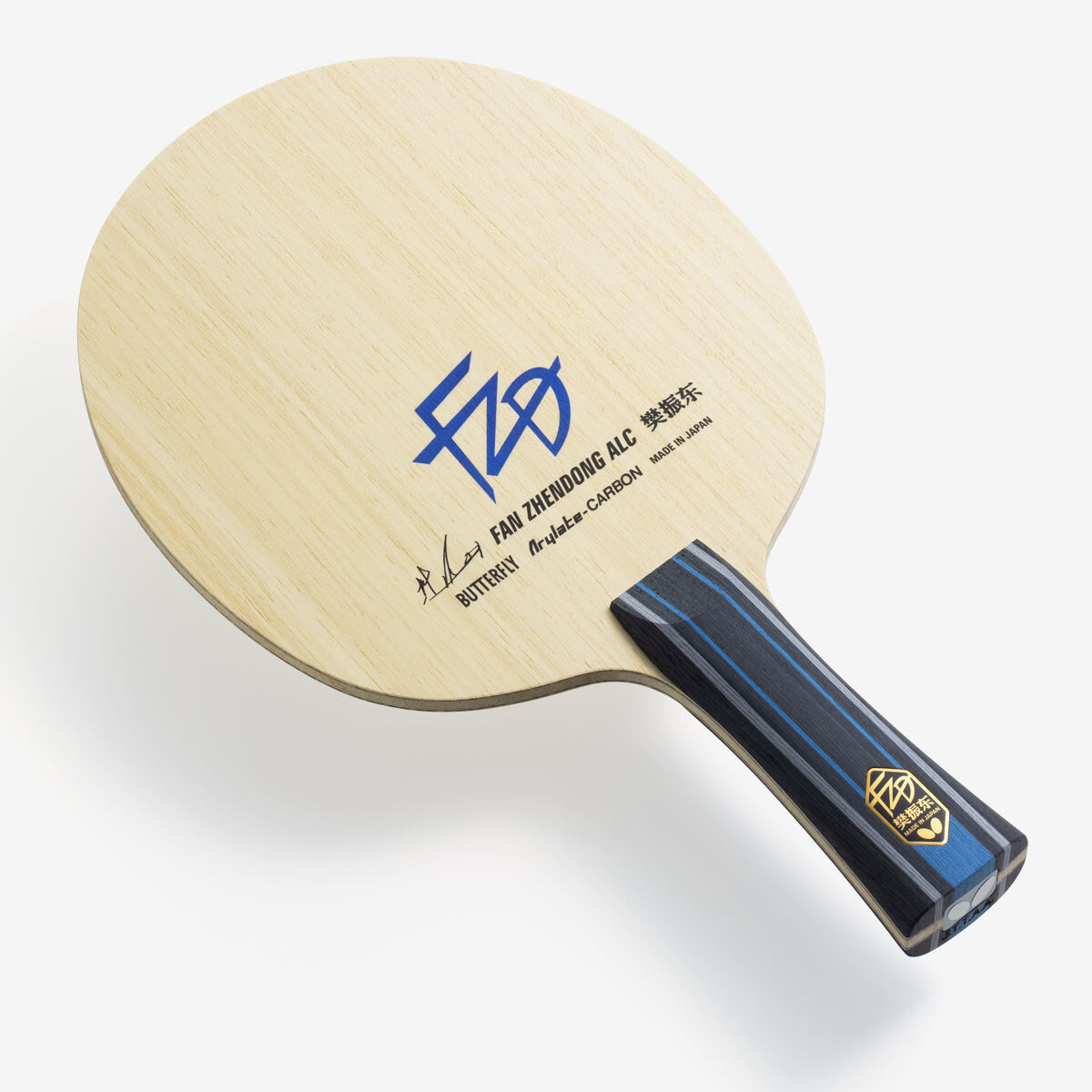
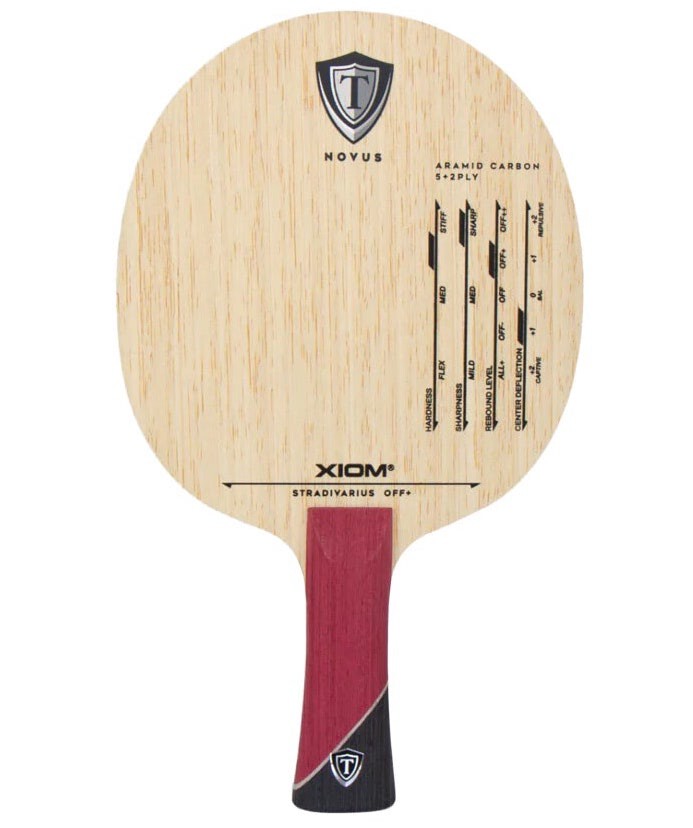
| Butterfly Fan Zhendong ALC | Xiom Stradivarius | |
|---|---|---|
| Our rating | 8.8/10 | 8.4/10 |
| feel | Crisp and direct with noticeable dwell on contact; slightly softer arc than Viscaria Super ALC | Crisp and solid with low residual vibration; direct ball contact feel with a large sweet spot |
| handle | Flared (FL), Straight (ST), Anatomic (AN) — notably thicker grip than Viscaria | Flared (FL), Straight (ST) |
| plies | 5 wood plus 2 arylate-carbon (ALC) — Koto / ALC / Limba / Kiri / Limba / ALC / Koto | 5 wood + 2 arylate carbon (Aramid Carbon) |
| speed | OFF | OFF |
| thickness_mm | approx 5.7mm | 5.7 |
| weight_g | 87-92g typical | ~85-87 |
We may earn a commission from links on this page. Learn more.
The Fan Zhendong ALC (8.8 rating) offers unmatched Viscaria-class dwell, proven track record, and the thick handle that distinguishes it from standard ALC blades. The Xiom Stradivarius (8.4 rating) competes impressively with excellent topspin performance and low residual vibration, delivering premium arylate-carbon feel at roughly half the Fan’s cost. The Fan excels in spin generation and off-table power; the Xiom balances speed and control more evenly, especially close to the table. Both suit offensive players, but the Fan rewards aggressive looping and the Xiom suits balanced OFF play. Price-conscious topspin attackers pick Xiom; perfectionists invest in the Fan.
FAQ
What is the main price difference?
The Xiom Stradivarius costs significantly less than the Fan while offering comparable carbon layup quality. The Fan commands premium pricing due to brand, proven Viscaria heritage, and thick handle.
How do the carbon feels differ?
The Fan feels softer and more flexible in the ALC zone, giving dwell. The Xiom’s arylate carbon feels crisper and stiffer with lower vibration, delivering direct ball contact feedback.
Which handles longer distances better?
The Fan. It maintains power and control at distance. The Xiom’s speed drops noticeably at mid-to-far table, preferring close-to-mid looping.