Friendship 729 Battle II vs DHS Hurricane 3 National Blue Sponge: Which Should You Buy?
| Friendship 729 Battle II | DHS Hurricane 3 National Blue Sponge | |
|---|---|---|
| Our rating | 8.5/10 | 8.4/10 |
| best_side | FH | Forehand |
| control | 8 | 70 |
| speed | 8 | 91 |
| spin | 9 | 98 |
| sponge_hardness | hard | 39-42 degrees (varies by batch; commonly 40 or 41 deg) |
| type | tacky | Inverted / Tacky |
| weight_uncut_g | 68 | approx 70-73 g uncut |

We may earn a commission from links on this page. Learn more.
The short answer
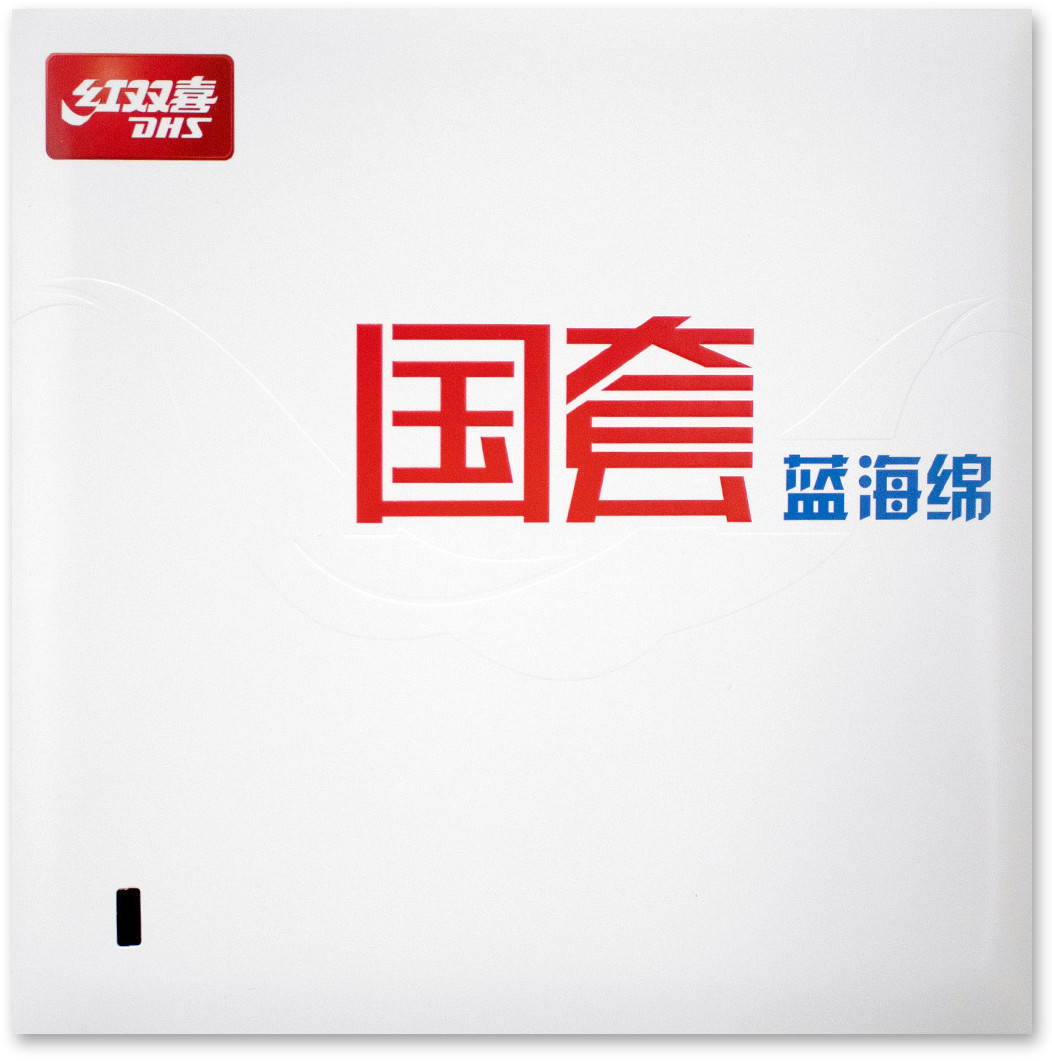
Friendship 729 Battle II and DHS Hurricane 3 National Blue Sponge sit within four tenths of a rating point of each other, 8.5 versus 8.4, and on paper their radar profiles look almost like siblings: both are hard, tacky, forehand-first Chinese rubbers built for players who loop close to the table and serve with heavy spin. The difference that actually matters is not raw ceiling, it is what it costs you in money, patience, and physical effort to reach that ceiling. Battle II is the rubber you buy to learn this style. Hurricane 3 National is the rubber you buy once you already play it at a high level and are prepared to maintain it.
What the axis data actually shows
Look at the six axes side by side and most of them barely move. Throw is identical at 5.6 for both, so if you are coming from a springy European tensor, both will feel low and demanding in the same way. Tackiness is close too, 8.6 versus 8.5, a gap so small it will not show up in a match. Durability tilts slightly to Hurricane 3 National, 8.4 against 8.1, but 729’s own reviewers report no bubbling, separation, or edge flaking, so this is a minor edge rather than a real weakness.
Where the gap becomes worth discussing is speed, 8.7 versus 9.2, a 0.5 swing, and spin, 9.2 versus 9.6, a 0.4 swing. Half a point of speed is enough to notice on a flat counter-hit or a fast rally exchange, and Hurricane 3 National will get through the ball a touch quicker when you commit to a full stroke. The spin gap shows up mostly on the heaviest loops and serves, where Hurricane 3’s reputation as the highest-spinning member of the Hurricane 3 family gives it a slight edge over Battle II’s already strong spin numbers. Control sits close, 9.0 versus 9.2, and given both rubbers demand full, committed strokes rather than passive touches, this 0.2 gap is not going to decide many points on its own.
The real difference: readiness, not ability
Here is what the radar chart cannot show you. Battle II works straight out of the sleeve. Hurricane 3 National, per Racket Insight and Megaspin’s product reviews, needs boosting and roughly a week of preparation before it plays anywhere near its potential, and DHS explicitly does not recommend it for beginners or anyone below club level, partly because it is physically demanding enough to risk fatigue or overuse injury if you force it before you are ready. Genuine Hurricane 3 National supply is also limited, and counterfeit risk is real, according to TableTennisHub’s comparison of blue and orange sponge variants. Battle II carries none of that overhead: no boosting ritual, no counterfeit risk, and by 729’s own numbers you can buy three or four sheets of it for the price of one premium tensor rubber.
Should you switch
If you already own Battle II and are asking whether Hurricane 3 National is worth the jump, for most players the answer is no. The axis deltas here are modest, the extra spin and speed are real but small, and you are trading a rubber that plays well immediately for one that demands a week of prep, ongoing boosting maintenance, and a price tag DHS itself markets as its most expensive Hurricane 3 variant. The switch only makes sense if you are already at an advanced or elite level, use a genuine Chinese-style forehand loop with high swing speed, and are specifically chasing the extra half point of speed for counterlooping, which is close to the exact profile DHS names as the target player. If you are still building your looping technique, Reddit’s r/tabletennis threads on both rubbers consistently point beginners and intermediates back toward the cheaper, ready-to-play option.
Who each rubber actually fits
Battle II fits forehand-dominant attackers and improving players who want to learn Chinese-style looping and serving without spending premium-tensor money, and who are willing to accept that tackiness and arc fade after roughly two months of regular play. Hurricane 3 National fits advanced and elite offensive players running high swing speed on a medium-flex inner-carbon or all-wood blade who are already committed to the boosting process. TableTennisDaily’s forum threads on Battle II and the professional-use notes on Hurricane 3 both point to the same conclusion: these two rubbers serve genuinely different stages of a player’s development, not just different budgets.
Frequently asked questions
Is DHS Hurricane 3 National Blue Sponge worth the extra prep over Friendship 729 Battle II?
Only if you are already advanced and willing to boost. The axis gaps are modest, around 0.5 speed and 0.4 spin, so most players will not recoup the week of prep and premium price.
Does Hurricane 3 National actually spin more than Battle II?
Yes, slightly, 9.6 versus 9.2 on the aggregated spin score, but the gap is small enough that serve and push spin will feel similar until you generate very high racket speed.
Can beginners use either rubber?
Battle II is the more beginner-friendly of the two by its own positioning. DHS explicitly does not recommend Hurricane 3 National for beginners or players below club level.
Which rubber is more affordable?
Battle II by a wide margin. 729 markets it as costing roughly a quarter to a third of one premium tensor sheet, while Hurricane 3 National is DHS's most expensive Hurricane 3 variant.