Sports Expo Observations: Brands, Products, and What Actually Breaks Through

1. To Show Up or Not
Butterfly has not had a booth at the sports expo for many years. As the undisputed number-one brand, they apparently have that luxury. Even the biggest table tennis equipment WeChat account in China is apparently beneath their interest in advertising — with enough star-player endorsements, that alone is more effective.
After a farewell appearance in Chengdu in 2024, Stiga has now been absent for two consecutive years. What does actually showing up accomplish? That is genuinely hard to say. It does not necessarily translate into sales promotion. People who already know Stiga will still buy; people who do not know it still won’t.
Even the sizable Donic booth drew little foot traffic — and yet the market sales did not seem to suffer for it.
Showing up does have its benefits, though. Strengthening relationships, for one. When you see someone in person, things just move more smoothly. I came to this expo partly to see old friends, and I was genuinely happy doing it. Meeting brand reps I had only known online and actually chatting in person — the information you get is different in a live conversation.
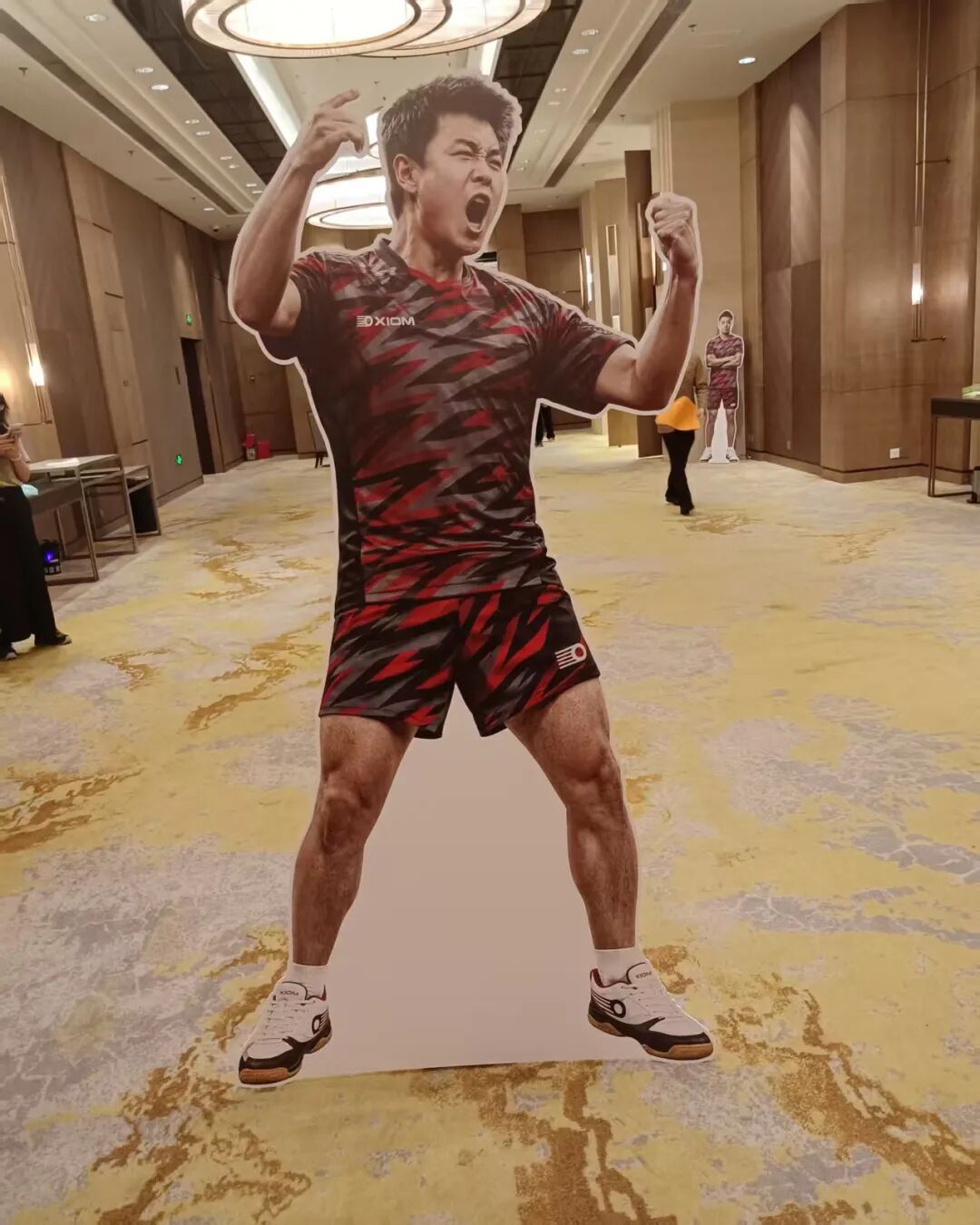
One reason for skipping the expo: the brand may have a better plan. XIOM and GEWO, for instance, used a hotel — one threw a dinner, another held a new-product launch. Stiga’s absence is probably also because their annual product launch is a more effective vehicle. Of course, hotel events are aimed at major dealers and media, not individual consumers.

For some brands, showing up is especially important. Take Aster Table Tennis, which has long existed mainly as an OEM manufacturer for overseas brands. Now it is making a clear statement about its own R&D capability. Two advantages: first, both foreign brands and content creators increasingly rely on Chinese OEM manufacturers, and Aster is positioning itself as a top choice — announcing this publicly. Second, deepening its impression in the minds of ordinary consumers, laying the groundwork for promoting its own products.
2. One Great Product Is the Best Way to Break Through
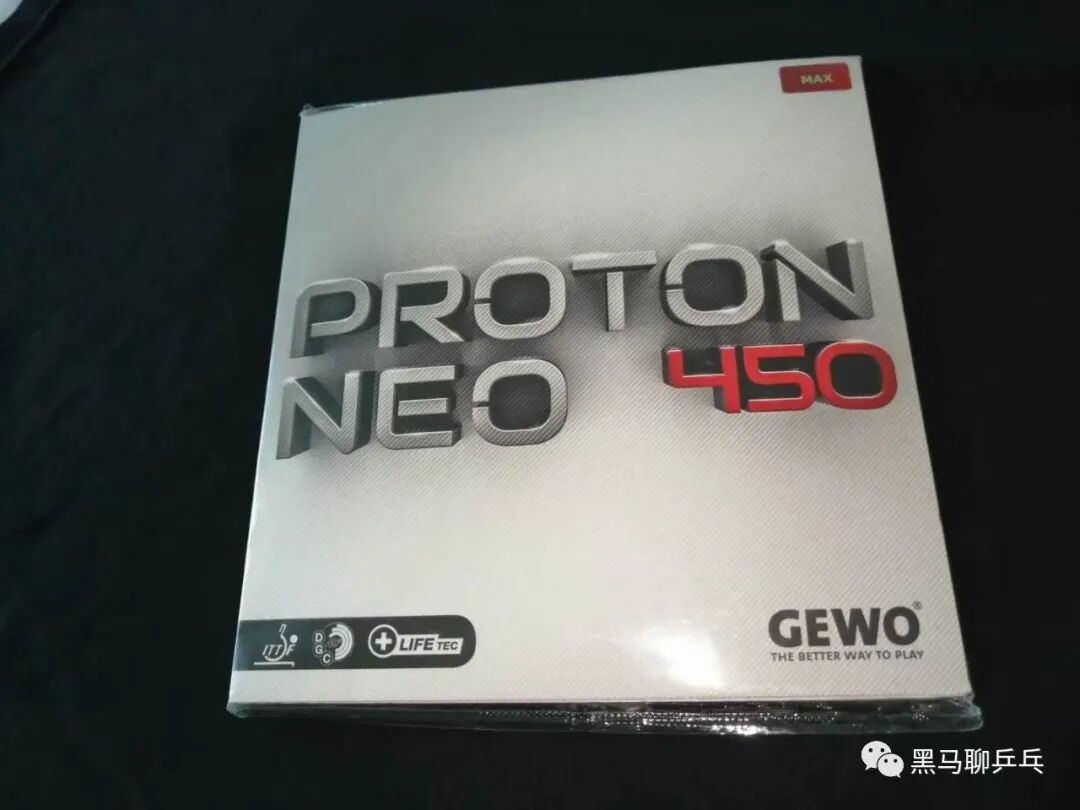
GEWO has only been in the Chinese market for a few years, but its initial growth was rapid. Many players’ first memory of GEWO is one specific product: Proton Neo 450. Personally, I would not call it an outstandingly great product. It is faithful, fairly linear, light and fast to play, and easy to control at a decent price point. But from a commercial standpoint, it worked. Right from launch, it was pushed through every channel, became widely known quickly, and sold like crazy.
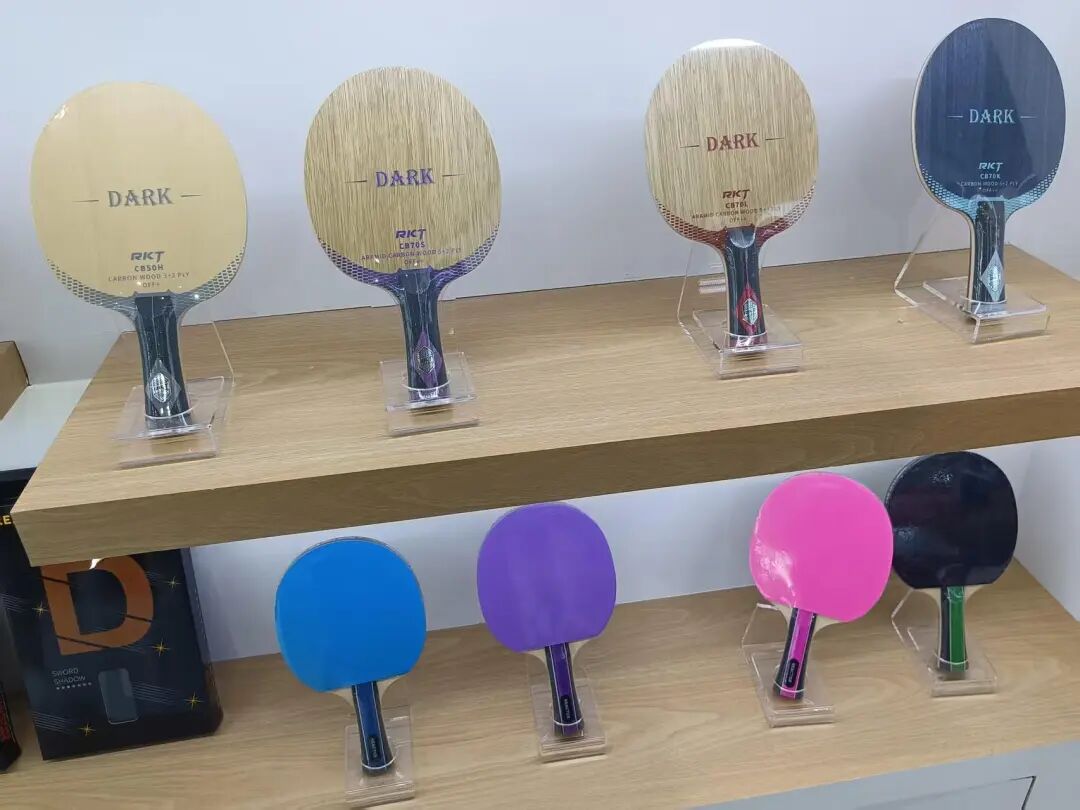
Double Fish’s blade range has never earned high regard from outsiders. But this year a Korean-made Zhou Qihao Project Z earned recognition from many players for its quality and value — it made a statement of presence that sets the foundation for future moves.
At the huge 729 booth, the one thing that stuck in everyone’s mind was a single product name: Battle III Purple Lightning — currently one of the most discussed rubbers online.
Sanwei’s most successful work in recent years is undoubtedly the 75# blade series and the Sanwei Target National rubber.
Clearly, if just one or two products hit hard enough, you not only turn a profit — you break through the noise entirely.